Iran War Fuel Crisis: How Kenya Is Securing Fuel Supply Through New Import Routes

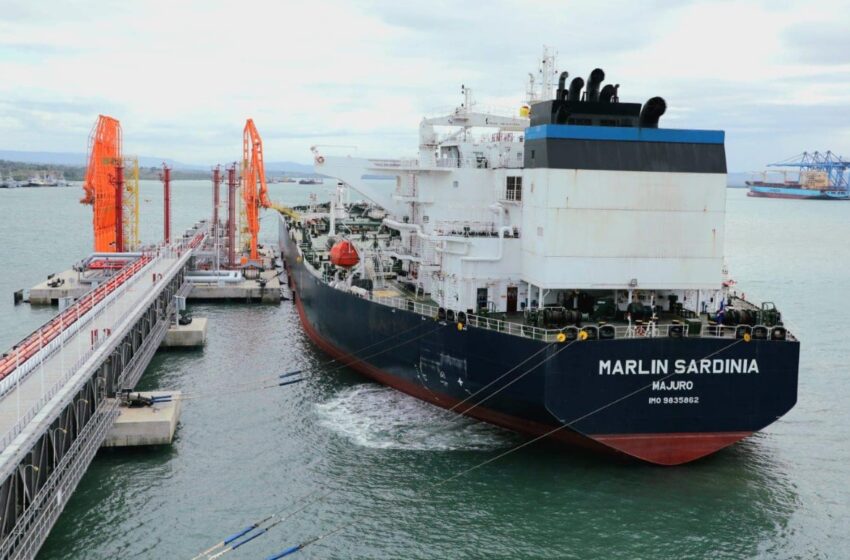
Geopolitical tensions surrounding the Strait of Hormuz, the world’s most critical maritime oil chokepoint, threaten global energy flows. The 2026 conflict between Iran and the U.S.-Israel coalition triggered what the International Energy Agency describes as the “greatest global energy security challenge in history.” With roughly 20% of the world’s oil supply normally passing through the Strait, the collapse of tanker traffic necessitated a radical shift in how Kenya sources, stores, and manages its petroleum imports.
The Strategic Shift in Logistics
Petroleum imports historically played a central role in the Kenyan economy, serving as the lifeblood for transport, manufacturing, and household energy needs. Recognizing the inherent fragility of relying on a single, high-risk maritime passage, the government, through the Energy and Petroleum Regulatory Authority (EPRA), rolled out a series of robust measures to shield the country from potential disruptions.
Edward Kinyua, the Director of Petroleum and Gas at EPRA, noted that the country is increasingly shifting its logistics toward the Red Sea corridor. Exploiting this route effectively bypasses the congestion and high-risk zones of the Persian Gulf. Smaller vessels now facilitate these shipments. Despite the loss of “economies of scale” typically provided by larger supertankers, this logistical pivot ensures that cargo reaches the Port of Mombasa rather than sitting indefinitely in blocked waters.
Read Also: 5 Reasons Why Barista Hub is Revolutionizing Nairobi’s Competitive Coffee Industry
Diversifying Suppliers and Strengthening Resilience
Expanding the supplier base remains a top priority. Instead of sourcing predominantly from the Middle East, the state engages partners in Europe and the Far East, including India. This “multi-source” strategy creates a safety net, ensuring that alternative conduits remain open if one supply chain faces war-risk premiums or blockades.
A master framework agreement signed with international suppliers further strengthens this strategy. These contracts legally obligate suppliers to deliver fuel regardless of external geopolitical volatility. Such a contract-based model shifts the burden of sourcing from the Kenyan government to global oil majors who possess the reach to navigate international markets.
| Security Measure | Implementation Strategy | Strategic Goal |
| Route Diversification | Shifting from Strait of Hormuz to Red Sea | Avoiding high-risk maritime chokepoints |
| Supplier Expansion | Sourcing from India, Europe, and Far East | Reducing reliance on Persian Gulf markets |
| Strategic Reserves | Port-based storage & inventory expansion | Creating a 30-day “cushion” against shocks |
| G-to-G Framework | Direct supply contracts with global majors | Ensuring predictable volume and dollar access |
Strengthening Strategic Petroleum Reserves
As part of a broader national energy security overhaul, Kenya is developing more sophisticated strategic petroleum reserves. New regulations are currently being integrated to allow major industry players to store petroleum within designated port facilities. Crucially, these regulations grant the government the “first right of use” for that product during periods of supply stress. This model, which mirrors systems used in global energy hubs like Rotterdam and Singapore, provides Kenya with an essential buffer, ensuring that even if global supply lines fail, the country maintains an internal inventory—currently estimated at 23 days for diesel and 28 days for super petrol—to keep the economy running.
The G-to-G Arrangement: Stability Amidst Volatility
A critical pillar in the fuel security plan is the Government-to-Government (G-to-G) import arrangement. Introduced as an emergency response to a debilitating foreign exchange crisis, the model has become a cornerstone of the country’s economic defense.
Spot-market buying previously led to extreme price volatility and a chronic shortage of US dollars, as local oil marketers struggled to compete for scarce foreign currency. The G-to-G system stabilized this by allowing the government to ascertain the exact volume of dollars required for imports, thereby reducing speculative demand and helping to restore interbank liquidity.
Major global oil firms, including the Abu Dhabi National Oil Company (ADNOC), the Emirates National Oil Company (ENOC), and Aramco Trading Fujairah Limited, participate in this arrangement. These companies manage the supply chain—from importation to distribution—while working with vetted local partners who understand Kenya’s specific market dynamics.
Facing the “Crisis Premium”
Kinyua and other government officials have been candid about the economic reality: war is expensive. Global landing costs for refined products surged—in some instances by over 100% for diesel and kerosene—due to rising insurance premiums and the necessity of rerouting vessels. To cushion the “bottom of the pyramid,” the government implemented a reduction in Value Added Tax (VAT) on fuel from 16% to 8% and deployed subsidy packages to prevent these international price spikes from fully translating into local pump-price inflation.
Opposition parties and segments of the public raised concerns regarding the pricing transparency of these deals, yet the government maintains that without this framework, the country would have faced empty pumps and catastrophic price surges. The G-to-G system essentially trades some market liberalization for supply predictability, a move that many analysts now view as a necessary, if difficult, trade-off in a world where global energy security is once again dictated by conflict and geopolitical rivalry.
A Path Toward Long-Term Energy Sovereignty
Kenya builds a more resilient energy system by integrating regional cooperation and domestic infrastructure development. Talks currently advance on a joint refinery at Tanzania’s port of Tanga, reflecting a broader regional push to reduce dependence on imported refined products. Simultaneously, the government moves forward with the commercialization of Turkana oil blocks, aiming for a production capacity of 20,000 to 50,000 barrels per day by 2027.
Diversifying routes and suppliers, strengthening fuel reserves, and stabilizing financial flows help the country navigate the uncertainties of a global fuel crisis with more agility than many of its peers. The road ahead remains challenging, and the impact of the 2026 Iran war continues to place immense pressure on the Kenyan shilling and local consumers. Foundational changes to the fuel supply architecture ensure that, unlike in past crises, the wheels of the economy continue to turn.
Rigorous adherence to the Energy and Petroleum Regulatory Authority (EPRA) guidelines remains vital. Energy independence requires a multi-faceted approach involving private sector partnerships, state-level diplomatic agreements, and long-term infrastructure investment. Kenyans can expect these strategies to evolve as the international security landscape shifts throughout the remainder of the year. Monitoring the latest energy price adjustments provides the most accurate picture of how these policies translate into savings or costs at the local pump. Persistent commitment to these diversified pathways creates the best possible defense against an increasingly volatile global oil market.