
BasiGo Ma3e Matatu Production Triggers Clean Energy Manufacturing Investments

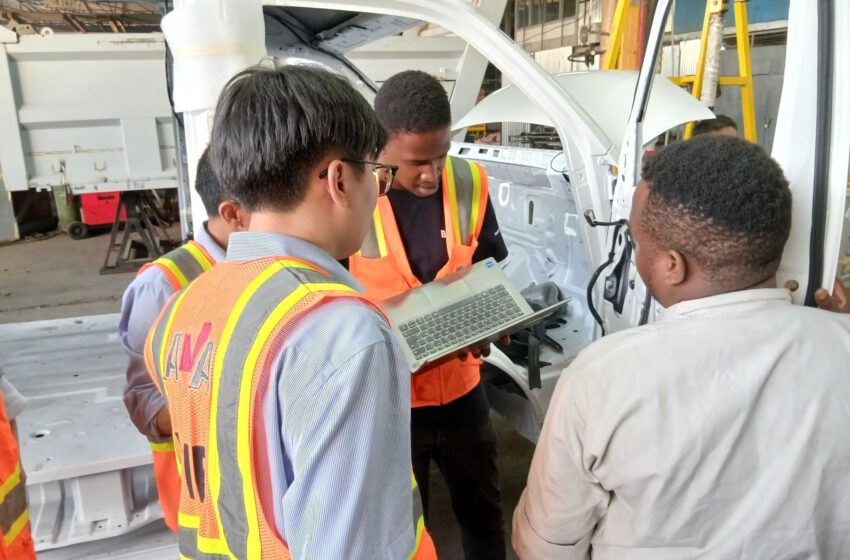
The institutional transition toward sustainable transport networks within the national automotive landscape is experiencing a structural shift as local manufacturing workflows replace direct vehicle imports. Establishing domestic production lines for zero-emission commercial platforms serves as a critical driver for national industrialization, ensuring that technological adoption aligns with broader economic development goals.
Navigating the logistical challenges of high-utilization commercial transport requires deep collaboration between technology developers, contract manufacturing hubs, and energy infrastructure providers. Industrial operations must scale technical skills and implement specialized assembly lines while optimizing vehicles for demanding regional road networks. Investigating how these manufacturing shifts influence macro-economic variables helps clarify the growing role of localized clean technology in driving long-term industrial efficiency and reducing reliance on foreign supply chains.
Green Automotive Manufacturing Benchmarks and Supply Chain Matrix
Evaluating the structural shifts in regional automotive production requires analyzing specific manufacturing inputs, partnership dynamics, and technical operational metrics. These localized assembly protocols completely change the cost structures of sustainable transport platforms.
| Automotive Enterprise & Entity | Production Methodology | Manufacturing Hub Location | Primary Target Transport Sectors | Primary Macro-Economic Advantage |
| BasiGo (Electric Mobility Firm) | Complete Knocked Down (CKD) Assembly | Mombasa (AVA Facilities) | Matatus, Shuttles & Corporate Fleets | Lower Import Duties & Enhanced Affordability |
| Associated Vehicle Assemblers | Specialized Contract Manufacturing | Coastal Industrial Zone | Heavy Commercial & Public Transport | Technical Skills Transfer & Job Creation |
| Transport Operators & Cooperatives | High-Utilization Fleet Deployment | Nairobi & Intercity Corridors | Commuter Services & School Logistics | Reduced Fuel Expenses & Maintenance Costs |
| National Renewable Energy Grid | Clean Geothermal, Wind & Hydro Power | Nationwide Distribution | Fleet Charging Infrastructure | Maximizing Domestic Renewable Resources |
| Local Component Suppliers | Secondary Ecosystem Integration | Regional Industrial Hubs | Upholstery, Trim & Electrical Parts | Deepening Secondary Industrial Growth |
Electric mobility company BasiGo has officially marked a historic milestone for Kenya’s automotive industry by commencing the local assembly of its highly anticipated electric vans, the Ma3e (matatu) model. By shifting from imported finished units to local production, BasiGo is not only reducing its carbon footprint but also actively contributing to the nation’s industrialization goals. This strategic initiative is brought to life through a landmark partnership with Associated Vehicle Assemblers (AVA), a premier contract manufacturer located in Mombasa. Utilizing Complete Knocked Down (CKD) kits, the assembly process ensures that vehicles are tailored to meet the specific demands of the Kenyan environment, with early production runs moving swiftly from production floors to active commercial deployment.
The Ma3e model itself is engineered for demanding, high-utilisation environments, featuring an impressive operational range of up to 300 km on a single charge according to NEDC standards. This extensive range makes the platform highly versatile, allowing it to serve a wide array of sectors, from public transport services and school shuttles to corporate staff transport, airport transfers, and hotel logistics. Building market confidence has been a deliberate process; over a rigorous 10-month testing phase, the firm successfully stress-tested electric vans across diverse intercity routes, including the Nyahururu-Nyeri-Nakuru and Nairobi-Thika corridors. The performance data gathered from these real-world conditions has been instrumental in validating the product’s durability and confirming the long-term viability of the associated charging infrastructure model.
Read Also: Top Comoros Official Hospitalized in Nairobi Amid Rising Tensions in Moroni
Consequently, local assembly directly bolsters the Kenyan labor market by moving high-value engineering activities onto domestic soil. Partnering with established entities like AVA necessitates the training of local engineers and technicians on advanced electric vehicle systems, fostering a highly skilled workforce that can support a growing green economy. Furthermore, by importing components as Complete Knocked Down (CKD) kits instead of fully built units, the enterprise leverages favorable tax structures and avoids excessive import duties, passing these overhead reductions directly to fleet operators in the form of competitive pricing.
Macro-Economic Impacts of Domestic Clean Mobility Production
The prolonged gap between relying on foreign automotive imports and building domestic assembly infrastructure introduces major variables into national economic planning. Shifting toward localized clean vehicle production directly alters labor dynamics, industrial supply networks, and national energy utilization.
Technical Skills Transfer and Industrial Workforce Expansion
Transitioning to advanced electric vehicle assembly requires specialized expertise that goes far beyond traditional internal combustion engine maintenance. Local production lines force a rapid upgrading of domestic technical skills, introducing certified training programs focused on high-voltage battery arrays, power electronics, and regenerative braking systems.
This long-term accumulation of technical knowledge protects the local workforce from obsolescence as global transport trends move away from fossil fuels. Building a deep pool of certified electric vehicle technicians ensures that regional service networks can expand independently without relying on foreign technical support.
Secondary Supply Chain Ripple Effects and Component Sourcing
The establishment of permanent electric assembly lines creates an expanding ecosystem of secondary domestic suppliers and specialized service providers. As production volume climbs, the demand for locally manufactured interior components, safety glass, wiring looms, and custom structural fabrications increases proportionally.
The Industrial Impact: National automotive sectors gain immense structural resilience when localized production workflows turn simple vehicle assembly points into anchors for broader domestic parts manufacturing.
Fiscal Policy Realities and Trade Balance Optimizations
The structural growth of domestic electric vehicle assembly highlights a critical intersection between national fiscal policy and international trade balances. When tax frameworks are adjusted to favor un-assembled component kits over imported fully built vehicles, it incentivizes long-term capital investments in local factories.
National planning departments must constantly balance tariff protections for domestic industries with the immediate demand for affordable, modern transport vehicles. Maintaining clear, predictable tax incentives remains essential for attracting international venture capital into regional clean technology manufacturing.
Reducing reliance on completely built foreign imports also helps stabilize national foreign exchange reserves by lowering the aggregate import bill for heavy machinery. Replacing imported fossil fuels with domestic renewable energy further insulation the national economy from unpredictable global commodity shocks.
Read Also: Rio Ferdinand To Open International Doors For Arusha Through AFCON 2027
Environmental Alignment and Strategic Grid Resource Optimization
To maximize the environmental advantages of zero-emission fleets, manufacturing deployment must connect directly with national clean energy infrastructure. Utilizing a decarbonized power grid allows electric commercial transport to achieve genuine life-cycle emissions reductions:
-
Geothermal Baseload Utilization: Powering vehicle charging networks with continuous geothermal energy ensures maximum environmental efficiency during off-peak night charging windows.
-
Wind and Hydro Power Integration: Capitalizing on seasonal surges in wind and hydro generation prevents clean energy from being wasted or constrained at the generation source.
-
Urban Air Quality Remediation: Deploying zero-emission passenger vans across dense commuter corridors directly eliminates tailpipe emissions and reduces dangerous particulate matter in metropolitan centers.
Linking high-capacity transport fleets to clean energy production hubs turns the transportation sector into a key tool for national grid stabilization and resource management.
Sustainable Operational Management and Fleet Efficiency Objectives
Fixing long-term cost imbalances for commercial transport operators requires a coordinated strategy that connects affordable vehicle purchase prices with low everyday running costs. Advanced electric platforms provide a reliable alternative to traditional transport models by offering highly predictable, lowered maintenance cycles.
Enforcing strict quality standards during local factory assembly ensures that domestic vehicles achieve the same durability benchmarks as imported alternatives. This structural reliability builds deep commercial confidence, making it easier for large transport cooperatives to invest heavily in fleet modernization programs.
Ultimately, achieving a sustainable green transport economy depends on a continuous commitment to local production and infrastructure scaling. Ensuring that manufacturing frameworks adapt to regional operational realities safeguards long-term economic development and keeps national transport systems efficient, modern, and self-reliant.