
Households Left Vulnerable as Floods Sweep Through Coastal Counties

Often when one considers the coastal beauty of Kenya, images of pristine beaches and tranquil waters spring to mind.
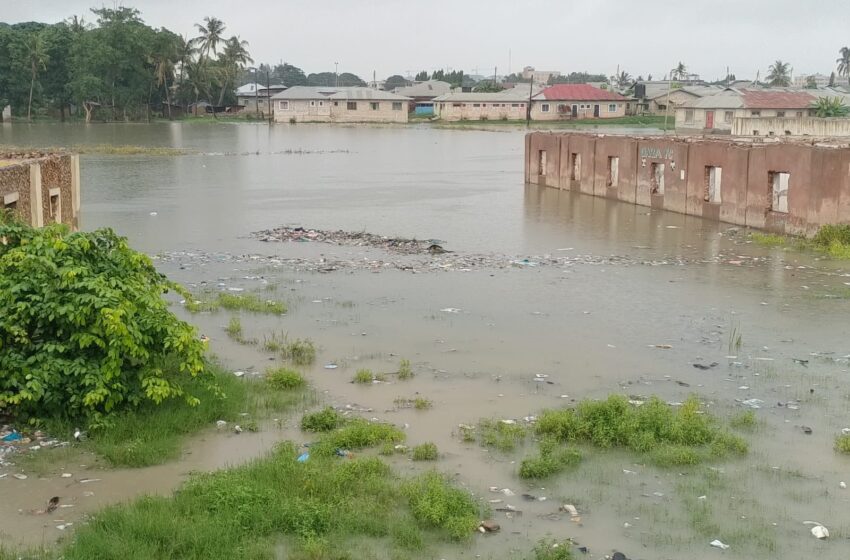
However, the recent onslaught of severe weather has drastically altered that perception, as heavy rains and powerful winds have battered Mombasa and Kwale counties, leaving a trail of destruction and widespread disruption.
The situation, characterized by flash floods and hazardous winds, has forced a major humanitarian response as communities grapple with the immediate aftermath of this natural disaster.
Humanitarian Crisis Across Mombasa and Kwale
According to the Kenya Red Cross, Mombasa County has recorded at least 103 households affected by the deluge, with nine individuals displaced across the sub-counties of Jomvu, Kisauni, Changamwe, and Likoni.
In Freretown, residents suffered significant property damage as fierce winds stripped roofs from homes, while low-lying areas across the city experienced rapid flooding.
The disruption reached a critical level when the Jomvu Model Hospital and the Tudor Sub-County Health Facility became inaccessible, severely hampering the delivery of essential medical services to those in need.
In neighboring Kwale County, the situation remains equally precarious. Families in Lungalunga and Vanga have reported homes affected by the persistent downpours.
Compounding the tragedy, emergency teams are currently engaged in a desperate search for a boda boda rider who was swept away while attempting to navigate a bridge submerged by floodwaters near the Shimba Hills.
Weather Forecast and Safety Advisories
These events are occurring against a backdrop of alarming weather forecasts. The Kenya Meteorological Department has issued a stern advisory, warning that the Coast region faces a heightened risk of continued extreme weather.
Projections indicate rainfall exceeding 40mm within 24-hour periods, accompanied by gusty winds reaching speeds of over 25 knots.
Furthermore, the maritime environment is particularly dangerous, with sea waves expected to surge beyond two meters in height.
The volatility exercise is part of a broader weather pattern affecting multiple regions across Kenya between April 22 and April 27.
The Meteorological Department highlighted that counties such as Kilifi, Tana River, and Lamu, alongside parts of the southeastern interior, face a moderate probability of severe conditions.
Authorities have urged residents in these high-risk zones to maintain extreme vigilance, noting that flash floods and poor visibility present significant threats to safety.
Response teams from the Kenya Red Cross are currently conducting comprehensive assessments on the ground, striving to provide immediate relief to displaced families while documenting the total extent of the damage.

