
James Orengo’s Political Remarks: Electoral Shifts, Opposition Realignment and 2027 Debate

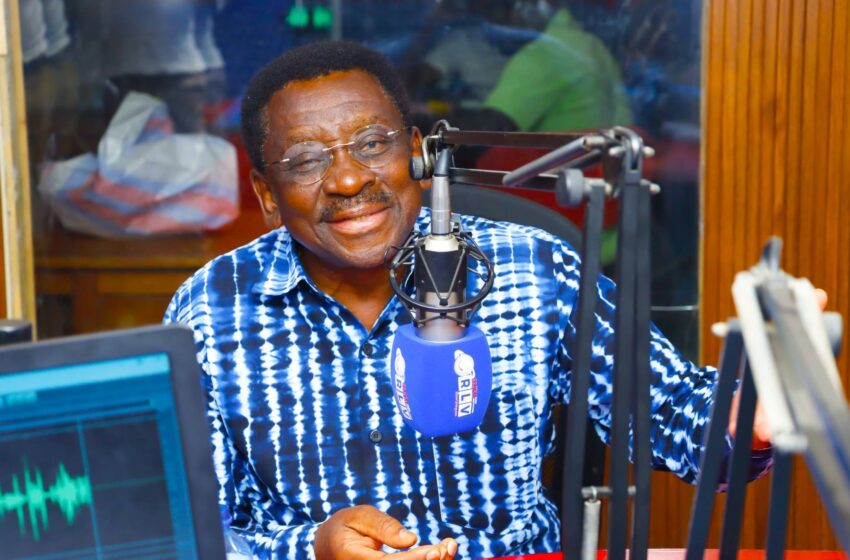
James Orengo
Siaya Governor James Orengo has recently contributed to ongoing political debate in Kenya by commenting on the country’s evolving electoral dynamics and the implications these shifts may have for the 2027 General Election. His remarks, made during a discussion on the Herman Manyora Podcast on April 24, 2026, reflect broader tensions within Kenya’s political landscape as parties, alliances, and voter blocs continue to evolve.
Rather than presenting a fixed prediction, Orengo’s comments highlight what he views as structural changes in voter behavior, regional influence, and political alignment across key parts of the country.
Changing Electoral Geography and Political Influence
A central theme in Orengo’s analysis is the idea that Kenya’s electoral map is undergoing significant transformation. He points particularly to historically influential regions such as Mount Kenya, which have often played a decisive role in determining national election outcomes.
In previous election cycles, coalition-building in such regions has been critical for presidential victory. However, Orengo suggests that shifting political loyalties and changing voter expectations may be altering this traditional balance of influence.
This interpretation reflects a broader trend in Kenyan politics, where regional voting patterns are increasingly fluid rather than fixed. Factors such as economic conditions, leadership perception, and party alignment continue to shape how different regions engage with national politics.
While such assessments are often politically charged, they also highlight the complexity of predicting electoral outcomes in a rapidly evolving democratic environment.
Concerns About Democratic Stability and Institutional Power
Beyond electoral arithmetic, Orengo’s remarks also touch on broader concerns about governance and institutional balance. He raises questions about how state structures interact with political competition and whether existing systems adequately protect democratic fairness.
These concerns are not unique to Kenya and often appear in political discourse in emerging democracies where institutional trust is an ongoing challenge. Issues such as the neutrality of state agencies, transparency in electoral administration, and fairness in political competition frequently shape public debate.
At the same time, such claims also reflect differing interpretations of how institutions function during politically competitive periods. While some actors view state coordination as necessary for stability, others interpret it as a potential risk to electoral neutrality.
Opposition Realignment and Internal Political Tensions
Orengo’s remarks also come at a time when opposition politics in Kenya is experiencing internal shifts and realignments. The evolution of the Orange Democratic Movement (ODM) in particular has been shaped by debates over strategy, cooperation, and long-term political positioning.
Different factions within the broader opposition space have expressed contrasting views on whether political cooperation with the government strengthens national stability or weakens opposition accountability.
On one side, proponents of political cooperation argue that engagement with government structures allows for policy influence and national inclusion. On the other hand, critics argue that such arrangements risk diluting ideological clarity and weakening opposition oversight roles.
This tension reflects a broader challenge within multi-party systems: balancing political pragmatism with ideological consistency.
Debate Over Governance Strategy and Political Direction
Within this context, Orengo is associated with a more critical stance toward political cooperation frameworks, emphasizing the importance of institutional accountability and formal governance structures. His position reflects concerns that informal or loosely defined political arrangements may complicate transparency and accountability in governance.
Supporters of cooperative political models, however, argue that inclusive governance structures can help reduce polarization and improve policy continuity. This difference in perspective illustrates a long-standing debate in Kenyan politics over whether stability is best achieved through competition or collaboration.
Both approaches highlight valid concerns, but they differ in how they prioritize political legitimacy, accountability, and national cohesion.
Electoral Integrity and Public Confidence
Another important dimension of Orengo’s commentary relates to electoral integrity. Issues such as voter registration systems, identity management, and administrative transparency remain central to public confidence in elections.
In many democratic systems, trust in electoral institutions is considered a foundational requirement for political stability. Where that trust is weak or contested, political tensions tend to increase, especially during election cycles.
These concerns underscore the importance of strengthening institutional safeguards and ensuring that electoral processes remain transparent, verifiable, and broadly trusted by all stakeholders.
The Broader Question: Evolution of Democratic Competition
At the heart of the debate is a larger question about how democratic competition in Kenya is evolving. As political alliances shift and voter expectations change, the nature of electoral competition is becoming more complex and less predictable.
This raises important questions about how political actors interpret change—whether as a challenge to be managed through adaptation, or as a structural shift requiring deeper institutional reform.
The 2027 election cycle is likely to reflect these dynamics, with parties and leaders adjusting their strategies in response to changing political, economic, and social conditions.
A Political Landscape in Transition
James Orengo’s remarks contribute to an ongoing national conversation about electoral dynamics, institutional trust, and political realignment in Kenya. While interpretations of his comments vary, they reflect broader uncertainties within the country’s evolving political environment.
Kenya is approaching the 2027 General Election and issues such as regional influence, electoral integrity, and political cooperation are expected to remain central to public debate. Ultimately, the stability and credibility of the electoral process will depend on the strength of institutions and the willingness of political actors to engage within agreed democratic frameworks.