7 African Countries with Highest Alcohol Consumption (2026)


Image: Courtesy
Alcohol consumption trends across the African continent offer a fascinating look at how heritage, urbanization, and economic growth shape social habits.
Although patterns vary significantly between nations, certain countries consistently lead in pure alcohol consumption per capita.
Kenya Frontline examines the top seven nations, beginning with the seventh-highest and working toward the continent’s leader.
7. Tanzania (Annual Consumption: 7.7 Liters Per Capita)

Tanzania rounds out this list with a consumption pattern that reflects a mix of traditional and modern influences. Similar to its neighbors, the country maintains a strong culture of home-brewed alcohol, such as ‘ulanzi’ (bamboo wine) and various grain-based beers. These beverages are vital for social cohesion in rural villages and are frequently consumed in communal settings.
The spirit market in Tanzania is also significant, notably due to the presence of ‘Konyagi’, a unique spirit that has become a national icon. Its popularity across all age groups and regions contributes heavily to the total volume of pure alcohol consumed. Commercial lagers also maintain a strong presence, particularly within the bustling nightlife of Dar es Salaam.
Tanzania’s alcohol landscape is a direct reflection of its cultural diversity, as while the consumption is high, it is often tied to specific social contexts and seasonal celebrations. The government monitors this through licensing and taxation, balancing the cultural importance of these drinks with the need for public health awareness.
6. Rwanda (Annual Consumption: 9.0 Liters Per Capita)
Rwanda’s alcohol profile is dominated by traditional fermented drinks, which account for a vast majority of the total consumption. ‘Urwagwa’ (banana beer) is the most famous of these, often produced at the household level and shared during community events. This tradition is so strong that it remains a primary source of alcohol even as commercial options expand.
In recent years, the commercial beer market has grown, especially in Kigali, as the country undergoes rapid modernization. However, the affordability and cultural resonance of banana and sorghum beers mean they remain the go-to choice for the rural population. These drinks are more than just beverages; they serve as symbols of hospitality and social bonding.
The Rwandan government has been proactive in regulating the quality of traditional brews to ensure public safety. As the nation continues its upward economic trajectory, there is a visible shift in the younger generation toward bottled beers and spirits, though the total per capita consumption remains anchored in traditional habits.
5. Gabon (Annual Consumption: 9.1 Liters Per Capita)
Gabon is often recognized as one of the highest consumers of beer per capita in Central Africa. With a high rate of urbanization, the Gabonese population has a strong preference for commercially produced lagers. In urban areas, drinking is a common social activity that takes place in “maquis”—small, open-air bars that are ubiquitous across the country.
The relatively high income levels in Gabon compared to some of its neighbors allow for a more consistent purchase of commercial alcohol. While traditional brews are present, they do not dominate the market as they do in East Africa. Instead, the prestige and availability of cold, bottled beer drive the majority of the recorded consumption data.
Government revenue in Gabon is significantly supported by the alcohol industry, which contributes through taxes and employment. This economic reliance, combined with a social structure that views alcohol as a primary means of relaxation and networking, ensures that consumption remains a notable aspect of the national demographic profile.
4. South Africa (Annual Consumption: 9.3 Liters Per Capita)
South Africa boasts one of the most sophisticated alcohol markets in Africa, known globally for its exceptional wine industry. However, beer remains the beverage of choice for the majority of the population. The culture of the ‘braai’ (barbecue) is perhaps the most iconic setting for alcohol consumption, where friends and family gather over beers and wine.
The country also has a rich history of traditional brewing, specifically ‘umqombothi’, a sorghum-based beer that is central to Xhosa and Zulu ceremonies. This coexistence of a high-end commercial industry and traditional brewing practices creates a comprehensive drinking culture that spans across all levels of society, from rural townships to luxury urban estates.
Public health experts in South Africa frequently engage with the government regarding the high levels of consumption and its social implications. Strict advertising laws and high excise taxes have been implemented to manage the impact, yet the social necessity of alcohol in celebrations and leisure activities keeps the per capita consumption levels consistently elevated.
3. Nigeria (Annual Consumption: 11.3 Liters Per Capita)
Nigeria’s position on this list is fueled by its massive population and a rapidly growing middle class with a penchant for premium brands. In the southern and middle-belt regions, alcohol consumption is a significant part of the social and ceremonial life. From “Owanbe” parties to local bars, beer and spirits are central to the Nigerian experience of celebration.
Traditional beverages like palm wine and ‘ogogoro’ (a potent local gin) continue to hold sway alongside international lagers. These drinks are often consumed in social clubs and traditional settings, where they serve as a bridge between ancestral customs and modern social life. The informal sector remains a massive contributor to the total volume of pure alcohol consumed.
Interestingly, Nigeria’s consumption patterns are highly regional. While the southern parts of the country see high volumes of intake, the northern regions have much lower rates due to religious regulations and social norms. This internal diversity means that the national average is driven heavily by the intense social drinking culture in the South and West.
2. Uganda (Annual Consumption: 12.2 Liters Per Capita)

Uganda is frequently cited for its high alcohol intake, primarily driven by a robust culture of home-brewed spirits. A significant portion of the alcohol consumed in the country is unrecorded, consisting of locally distilled gins like ‘Waragi’. Historically made from bananas or cassava, Waragi has moved from a purely traditional drink to a major commercialized brand.
Social gatherings in Uganda, whether in urban centers like Kampala or in remote villages, almost always feature alcohol. Communal drinking is a long-standing tradition that signifies unity and celebration during weddings, funerals, and harvest festivals. This cultural prominence ensures a steady demand across all socio-economic classes, making it a staple of the local economy.
Economic accessibility is another major factor, as informal alcohol production provides affordable options for many. While the government has introduced legislation to ban the sale of alcohol in small plastic sachets to curb abuse among the youth, the deeply ingrained habits and the widespread nature of artisanal brewing keep Uganda high on the list.
1. Seychelles (Annual Consumption: 13.8 Liters Per Capita)
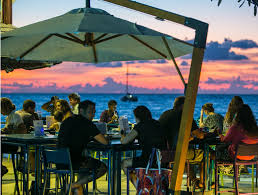
Seychelles holds the distinction of having the highest alcohol consumption rate on the continent. This high figure is largely attributed to the island’s vibrant tourism industry and a culture that embraces social drinking as a core component of island life. Beer is the most consumed beverage, followed closely by spirits, which are readily available throughout the archipelago.
The local production of alcoholic beverages also plays a significant role in these statistics. Seybrew, the national beer, is a staple for both residents and visitors, while traditional drinks like ‘calou’ (palm wine) and ‘bacca’ (fermented sugarcane juice) remain popular in rural communities. These artisanal drinks are deeply woven into the social fabric of the Seychellois people.
Government authorities have often addressed these high numbers through public health initiatives aimed at promoting responsible drinking. Because the population is relatively small, the impact of both the thriving tourism sector and local consumption habits becomes highly visible in international data, making Seychelles a unique case study in African beverage trends.