
Why Maseno University Graduates are Facing Professional Deadlocks

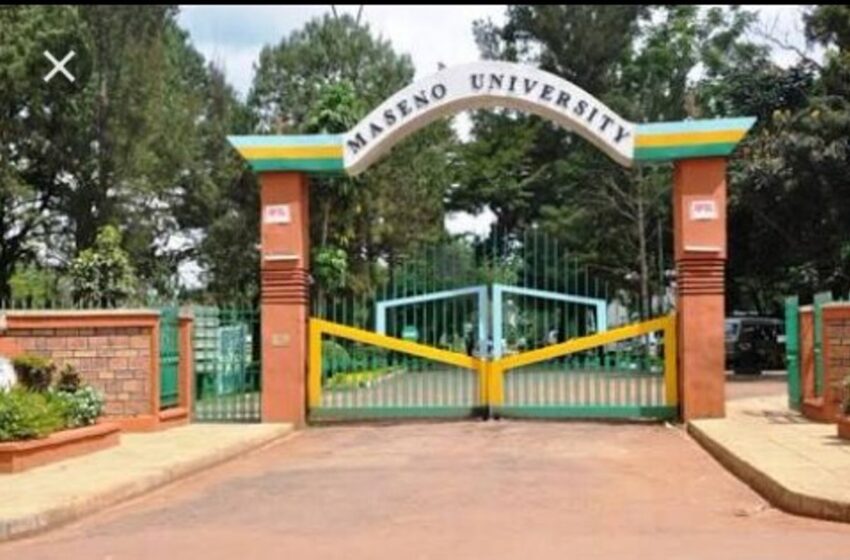
Alarm has been raised by former students of Maseno University who recently discovered that their academic qualifications are essentially unusable in the professional job market.
The primary issue stems from a lack of accreditation for their specific course by the relevant professional regulatory body. Without this critical stamp of approval, the four years spent in lecture halls and clinical rotations have culminated in a professional stalemate.
Accreditation Crisis for Health Records Students
The affected group consists of individuals who pursued a Bachelor of Science in Health Records and Information Management. Reports indicate that the programme lacked the necessary endorsement from the Health Records and Information Management Board.
Read Also: Top Comoros Official Hospitalized in Nairobi Amid Rising Tensions in Moroni
Legal mandates in Kenya require specific health-related degrees to be vetted and approved by these boards to ensure quality and standardization. Absence of such approval means the board cannot issue practicing licenses to any individual who finishes the curriculum.
Employment in the health sector remains strictly regulated to maintain high standards of patient data management and medical ethics. Recruiters and hospitals demand a valid practicing license as a prerequisite for hiring any health records officer. These graduates now find themselves effectively barred from both public and private healthcare institutions. The financial and emotional toll on these individuals is mounting, especially for those who relied on loans or family sacrifices to fund their education.
Broken Promises and Student Anxiety
Many students became aware of the accreditation gap during their time on campus after hearing murmurs from senior cohorts. They sought clarification from the university administration on multiple occasions to address these growing anxieties. Officials reportedly offered assurances that the situation was under control and would be rectified prior to their graduation date. Despite these promises, the board never conducted the necessary site visits or finalized the approval process before the students entered the job market.
Graduates are now speaking out about the frustration of being qualified on paper but rejected in practice.
“We were told the board would visit and everything would be fixed before we graduated, but that never happened,” one graduate said as per Education News.
Professional Licensing Barriers and Job Losses
The reality of the situation becomes painfully clear during the job application process. Applicants undergo rigorous interviews and demonstrate their competence, only to hit a wall when the conversation turns to professional registration. “You attend interviews full of hope, but once they ask for a license and you don’t have one, that’s where it ends,” the graduate added. Such experiences have left many feeling stranded and hopeless after completing demanding clinical attachments.
Financial resources invested in the four-year course appear wasted for many who cannot secure returns on their education. The situation remains dire as families struggle to understand why a premier institution would offer an unapproved course. Most victims are calling for the university to compensate them or fast-track the accreditation process to save their careers.
Call for KUCCPS Oversight and University Accountability
Questions are also being directed toward the Kenya Universities and Colleges Central Placement Service (KUCCPS) regarding their role in the crisis. Stakeholders wonder how a programme can be listed for student placement if it has not met all regulatory requirements.
Read Also: Rio Ferdinand To Open International Doors For Arusha Through AFCON 2027
The continued admission of new students into the same troubled programme has sparked further alarm among the alumni. They fear that a fresh wave of students will eventually face the same professional dead end if urgent intervention is not prioritized.
Currently, the university has not provided a formal public response to these specific allegations or outlined a clear path toward resolution for the affected graduates.

