
Mombasa Over Tanga: Why Aliko Dangote is Leaning Toward Kenya for Next Mega-Refinery

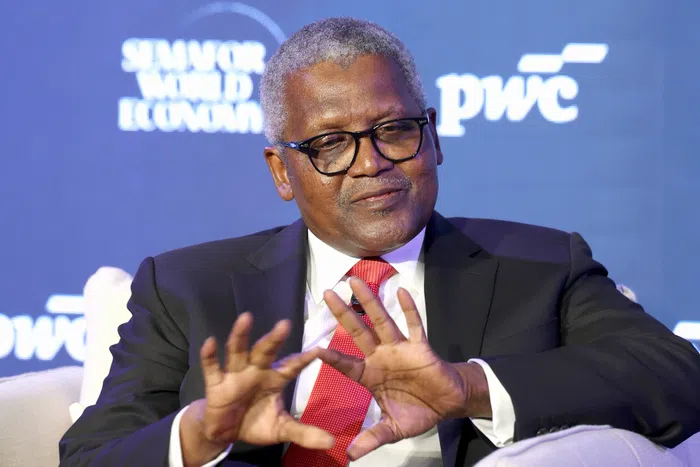
Nigerian billionaire Aliko Dangote has signaled a transformative shift for the East African energy landscape, identifying Kenya as a primary contender for a massive new industrial project.
The chairman of Dangote Industries, known for his monumental 650,000-barrel-a-day refinery in Nigeria, is weighing the potential of replicating that success on the eastern coast of the continent.
Strategic considerations for such a multi-billion-dollar investment center on infrastructure and market capacity. Mombasa, a historic gateway for trade in the region, has emerged as the frontrunner in Dangote’s preliminary assessments. The decision involves a careful comparison between the established logistical hubs of Kenya and the developing corridors of Tanzania, with port depth and consumer demand serving as the primary metrics for success.
The potential refinery, estimated to cost between $15 billion and $17 billion, would serve as a critical buffer against global supply chain volatility.
Currently, East African nations rely heavily on refined petroleum products from the Middle East, a reliance that exposes local economies to price shocks during international conflicts or maritime disruptions. By localizing production, the region could secure its energy sovereignty and stabilize domestic fuel prices.
“I’m leaning more towards Mombasa because Mombasa has a much larger, deeper port,” Dangote said in an interview with the Financial Times.
Will Mombasa Become the Energy Gateway of East Africa?
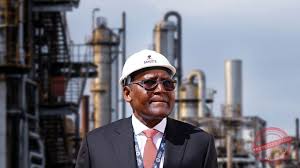
This development places Kenya in a competitive position, especially following recent discussions regarding a possible joint regional refinery in Tanga, Tanzania. While regional leaders have explored collaborative models, the individual preference of Africa’s richest man appears to hinge on the specific logistical advantages offered by the Kenyan coastline. He noted that the maturity of the market also plays a significant role in his decision-making process.
“Kenyans consume more. It’s a bigger economy,” Dangote explained, highlighting the economic viability of the Mombasa site over competitors.
The realization of this ambitious project now rests on diplomatic and political alignment. President William Ruto has been vocal about modernizing Kenya’s infrastructure and attracting high-value foreign direct investment to stimulate the manufacturing sector. Dangote has made it clear that the project’s progression is contingent on the green light and support from the highest levels of the Kenyan government.
“The ball is in the hands of President Ruto,” he said. “Whatever President Ruto says is what I’ll do,” he added.
Can Regional Policy Support Secure a $17 Billion Investment?
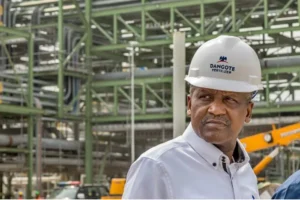
Beyond the immediate economic impact, a refinery of this scale would create thousands of jobs and foster a new ecosystem of ancillary industries, from petrochemicals to logistics. During a recent infrastructure summit in Nairobi, Dangote reiterated his commitment to the continent’s industrialization, provided that regional governments provide the necessary policy support and enabling environment.
“I could replicate my 650,000-barrel-a-day Nigerian refinery in East Africa, provided governments in the region supported the initiative,” he stated at the summit.
If the project moves forward, it will represent one of the largest private sector investments in East African history. For a region that has historically been an importer of value-added goods, transitioning into a hub for petroleum refining would mark a significant step toward industrial maturity. The eyes of the continent remain fixed on Nairobi to see how this multi-billion-dollar proposal unfolds in the coming years.

