
Millions Disbursed as Kakamega County Expands Education Support for Vulnerable Students

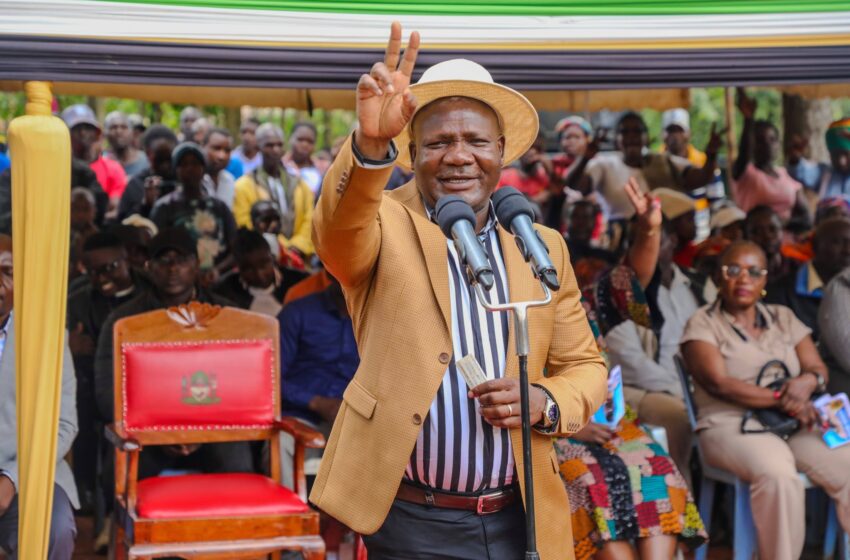
Millions of shillings have been disbursed by the County Government of Kakamega to support thousands of needy and vulnerable students in a major programme aimed at improving access to education across the county.
A total of Sh149.3 million has been released to benefit more than 35,000 learners in secondary schools, tertiary institutions, and vocational training centres.
The funding programme was officially launched by Fernandes Barasa at Bukhungu Stadium during a ceremony attended by county leaders, education officials, parents, and students. The initiative is expected to ease the burden on struggling families and help reduce school dropout rates caused by lack of school fees.
The county government said the bursary programme is part of a wider strategy to strengthen the education sector and ensure children from vulnerable backgrounds have equal opportunities to learn and succeed. Education stakeholders in the county have welcomed the move, saying it will help many students remain in school despite economic hardships.
“One of the challenges we have realized is that students in various colleges have challenges getting ID cards. We are working with the heads of those institutions and the registrar of persons to ensure they get registered,” he said as per KNA.
Governor Barasa reiterated that education remains one of the top priorities of his administration, noting that investing in learners is key to transforming livelihoods and creating economic opportunities for young people across Kakamega County.
Why is Kakamega County Increasing Education Funding?
The governor revealed that the county had earlier released Sh30 million last year to support students, while another Sh56 million had been allocated to benefit about 16,000 learners in 68 county polytechnics. He further announced that an additional Sh24 million would be released before the end of the current financial year to strengthen technical and vocational training.
“The county was committed to ensure no child misses education due to lack of school fees,” he noted.
Kakamega County has continued to increase investment in education through bursaries, infrastructure development, and support for vocational institutions. Leaders say the county is focusing on both academic and technical education to prepare youth for employment and entrepreneurship opportunities.
The county has also intensified efforts to improve Early Childhood Development Education (ECDE), which forms the foundation of learning. Governor Barasa said the county government had already constructed 29 new ECDE centres and was finalizing another 32 centres to improve access to early childhood education services.
How Will New ECDE Centres Improve Education in Kakamega County?
Education experts believe the new ECDE centres will help improve enrolment, reduce congestion in classrooms, and ensure children in rural areas access quality education near their homes. Parents have also welcomed the project, saying it will reduce the long distances children travel in search of learning facilities.
Apart from infrastructure, the county government has continued to support county polytechnics through recruitment of instructors, provision of learning equipment, and modernization of workshops. The institutions are expected to equip youth with practical skills needed in the labour market and self-employment ventures.
The county government is also working closely with the registrar of persons to help students who have attained 18 years acquire National Identity cards. According to Governor Barasa, many college students face difficulties accessing services such as HELB loans, examinations, and banking due to lack of identification documents.
Residents and education stakeholders have praised the bursary programme and ongoing investments in the education sector, describing them as timely interventions that will help uplift vulnerable families and improve literacy levels in the county.