
Arsenal Fandom In Kenya Political Culture Strategic Alignment

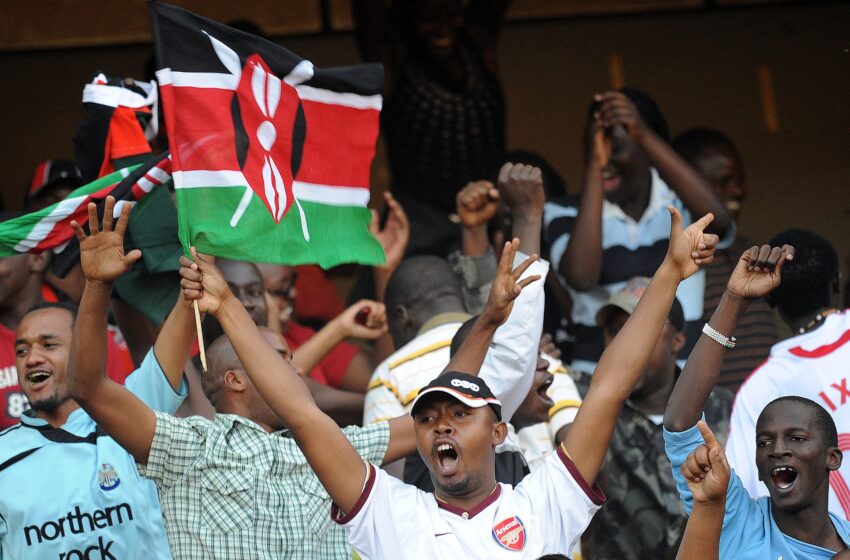
he vibrant energy of Arsenal fan culture within Kenya’s sports landscape. Source: SIMON MAINA / AFP via Getty Images
Arsenal Football Club commands a unique, almost religious grip on Kenyan sports culture. Since time immemorial, the north London club has built a sprawling base of passionate supporters across East Africa.
In Kenya, this football devotion crosses beyond normal sports fandom into the highest offices of political power.
Some of Kenya’s most prominent politicians are also passionate Arsenal supporters, proudly showing their loyalty to the Gunners both in public life and in football culture.
1.William Ruto
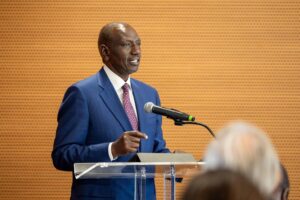
President William Ruto consistently incorporates his support for Arsenal into his public brand strategy, particularly during national youth engagement forums. Following Arsenal’s historic English Premier League championship victory, the President utilized official communication channels to draw parallels between the football club’s long title drought and national development. By positioning the team’s triumph as a lesson in structural recovery and strategic focus, he speaks directly to the aspirations of the country’s massive, football-centric youth demographic.
Beyond casual sports banter, the executive branch leverages this global football brand to build a relatable, grassroots identity. Discussing match outcomes, squad rotation, and tactical decisions on local media platforms allows the President to de-escalate formal political messaging into accessible community dialogue. This deliberate intersection of sports and statecraft demonstrates how top leadership can utilize international pop culture as a tool for domestic public diplomacy.
The President’s public engagement with the Gunners also aligns with broader national sports development initiatives. By highlighting the structural professional models utilized in the English Premier League, public addresses frequently challenge local sports administrators to elevate the standards of the FKF Premier League. This method transforms a simple personal preference into a strategic policy talking point aimed at reforming domestic sports infrastructure.
2. Johnson Sakaja
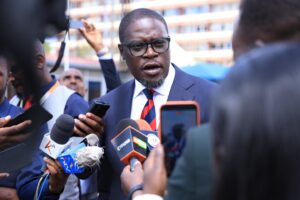
Nairobi County Governor Johnson Sakaja serves as one of the most visible and proactive figures within the local Arsenal fan base. During the massive street celebrations that turned the Nairobi Central Business District into a sea of red following the club’s league victory, Sakaja directly engaged with jubilant fans on the streets.
By actively validating these spontaneous urban celebrations and offering financial tokens to supporter groups, the Governor cemented his reputation as a leader deeply attuned to the city’s youth culture.
From an administrative standpoint, the Governor took the unprecedented step of directing county human resource departments to accommodate staff members celebrating the historic sporting milestone. This strategic alignment with urban subcultures positions the county leadership as modern, empathetic, and culturally connected. In a city where football viewing centers serve as crucial hubs for social organization, tapping into this passionate ecosystem provides a direct channel for building political goodwill.
Sakaja also utilizes his platform to emphasize the economic power of the sports entertainment industry within the capital city. His public interactions with Arsenal supporter branches frequently highlight the need for investment in community sports facilities and grassroots academies across Nairobi’s sub-counties. This approach successfully frames his personal football allegiance as an extension of municipal youth empowerment and economic inclusion policies.
3. Moses Wetangula
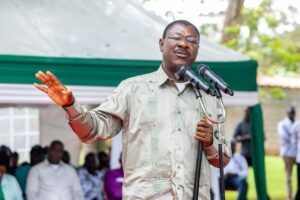
The Speaker of the National Assembly, Moses Wetangula, brings football diplomacy directly into the legislative halls of Parliament. Throughout his extensive diplomatic and legislative career, Wetangula has maintained a well-documented loyalty to the North London club, frequently using it as a tool for cross-party engagement. Before and after intense, high-stakes legislative debates, the Speaker often brokers informal bipartisan truces by engaging lawmakers in spirited Premier League match reviews.
This shared passion for Arsenal provides a unique neutral territory within the legislative building, allowing politicians from opposing coalitions to bond over a common interest. Wetangula’s ability to navigate tense political standoffs is occasionally aided by these informal, football-driven relationships that break down rigid partisan walls. By fostering camaraderie through sports banter, the legislative leadership demonstrates how global cultural phenomena can soften intense domestic political rivalries.
In his regional political strongholds within Western Kenya, Wetangula’s identity as a dedicated Gunner further strengthens his communal ties. Local fan clubs and youth networks frequently invite regional leadership to matchday viewing events, transforming standard political networks into spaces for shared social celebration. This enduring connection illustrates how sports allegiance can reinforce regional solidarity and traditional political messaging over time.
4.James Orengo
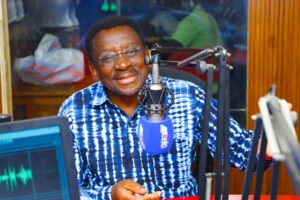
Siaya Governor James Orengo provides a sophisticated, analytical perspective on how European football alignments function within the Kenyan political landscape. Orengo recently clarified that while his fundamental continental soccer allegiance belongs to Real Madrid, his English Premier League loyalty remains firmly with Arsenal. This deliberate dual alignment highlights a trend where sports fandom is chosen not just for entertainment, but as a reflection of political heritage.
The Governor’s dedication to the Gunners is deeply intertwined with his historic political association with the country’s most legendary Arsenal enthusiast, the late former Prime Minister Raila Odinga. For decades, Odinga utilized football metaphors to explain complex national democratic struggles to the public, making the Arsenal brand a symbol of political resilience within his movement. By proudly sporting the red-and-white jersey, Orengo pays homage to this foundational legacy, transforming a sports uniform into a powerful badge of political continuity.
At the county administration level, Orengo views the massive local following of teams like Arsenal as an indicator of the profound socio-economic impact of sports broadcasting. His public commentary often links the resilience displayed by football clubs during challenging seasons to the historical endurance required in national democratic reforms. This structural framing allows the veteran legislator to connect with younger generations through a shared cultural vocabulary while maintaining historical political context.
5. Peter Kenneth
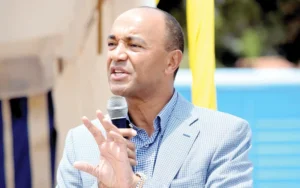
Former Gatanga Member of Parliament and presidential candidate Peter Kenneth stands out as a premier football purist within the nation’s political elite. His deep-rooted love for Arsenal is widely recognized across the political spectrum, frequently making him a central figure in high-level sports discussions. Unlike casual observers, Kenneth analyzes the Gunners through a highly technical lens, focusing on squad architecture, financial sustainability, and long-term tactical philosophies.
This analytical depth stems directly from his professional background in sports governance, having previously served as the chairman of the Kenya Football Federation. Kenneth regularly uses Arsenal’s self-sustaining corporate model and renowned youth development systems as a benchmark for what domestic sports administration should aspire to achieve. His public commentary frequently notes that the discipline, long-term planning, and institutional patience practiced by elite clubs are the exact qualities required to revive local football.
Within urban business and political networking circles, Kenneth’s prominent association with international football diplomacy elevates his profile as a modern, structured strategist. He has frequently attended live fixtures at the Emirates Stadium in London, bridging the gap between international sports business and local corporate leadership. This unique positioning allows him to champion structural reforms in national sports policy with the authority of an experienced administrator.
6.Babu Owino
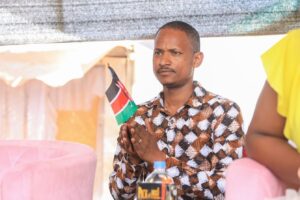
Embakasi East Member of Parliament Babu Owino aggressively integrates his intense passion for Arsenal into his public political persona and digital media strategy. Known for his sharp rhetoric and combative style in the national political arena, Owino channels that same energy into matchday commentary and social media interaction.
Babu Owino frequently defends the club against rival supporters with the same fierce loyalty he displays when protecting his political alignments, making him a highly relatable figure among young voters.
This dynamic approach to sports fandom serves as a highly effective grassroots mobilization tool within his populous urban constituency. By actively participating in local viewing center debates and utilizing popular youth slang to analyze Arsenal’s performances, Owino breaks down the traditional distance between an elected official and the electorate. His digital platforms become vibrant hubs where football banter and community activism blend seamlessly, keeping his brand highly visible among tech-savvy youth.
Owino also uses the collective energy of local Arsenal fan bases to champion community-driven youth initiatives, including local tournaments and talent searches. He often frames the competitive nature of the Premier League as a metaphor for the drive and ambition required by urban youth to overcome socio-economic challenges. This calculated strategy demonstrates how an intense personal interest can be transformed into a functional platform for consistent grassroots organizing.
7. Martha Karua
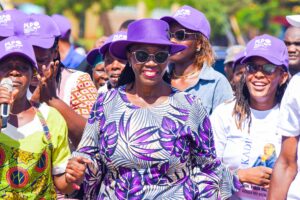
Veteran politician and NARC-Kenya party leader Martha Karua brings an element of authoritative enthusiasm to the prominent circle of political Arsenal supporters. Over the years, Karua has consistently utilized her digital platforms to cheer on the Gunners, engaging in lighthearted matchday commentary that contrasts neatly with her serious public image.
Karua’s timely tweets celebrating crucial victories or offering encouragement during tough fixtures have firmly established her presence within the nation’s football culture.
This active digital engagement allows the seasoned statesman to showcase a relaxed, accessible side of her personality that rarely emerges during intense policy debates. For a leader renowned for her strict stance on constitutionalism and governance, her participation in national football discussions provides a unique bridge to younger generations who dominate digital spaces. This subtle curation proves that shared cultural interests can effectively humanize high-profile leaders across diverse voting demographics.
Karua’s visibility as a female political leader supporting a major global sports brand also challenges traditional gender dynamics within local football circles. Her consistent presence in a historically male-dominated sports conversation inspires broader inclusivity within local supporter branches and viewing communities. By blending sports enthusiasm with a legacy of leadership, she reinforces the idea that football culture in Kenya is a universal space capable of uniting citizens across all social lines.

