
Kenya National Weather Outlook Projects Severe Economic Infrastructure Safety Vulnerability

Macroeconomic planning within East African emerging markets is increasingly tied to regional atmospheric variations. The geographic diverse landscape of Kenya creates a complex weather environment where separate economic zones experience completely opposite atmospheric conditions simultaneously. While high-potential agricultural zones require steady precipitation to maintain national food security, the arid and semi-arid lands (ASALs) face extreme thermal baselines that challenge traditional livestock management.
Managing these sharp differences requires moving away from short-term emergency responses toward long-term, data-driven planning. National infrastructure design, commercial logistics, and commodity trading schedules must adapt to shifting seasonal baselines. Understanding these deep climate trends helps public and private entities protect assets and preserve operational capital throughout the fiscal year.
Regional Precipitation Dynamics and Thermal Outlook Metrics
Evaluating the physical breakdown of seasonal shifts requires analyzing localized data points across distinct geographic economic zones. The variations in temperature and precipitation directly dictate regional market capacities and infrastructure strain.
|
Geographic Zone & Key Centers |
Dominant Weather Typology |
Peak Thermal Metrics |
Minimum Thermal Baselines |
Primary Economic Vulnerability |
|
Coastal Trade Corridor (Mombasa, Kilifi, Lamu) |
Intensive Precipitation & Sustained Cloud Cover |
31°C |
24°C |
Port Logistics Disruptions & Supply Chain Delays |
|
Northern Frontier Zone (Mandera, Lodwar, Wajir) |
Thermal Heatwaves & Arid Atmosphere |
38°C |
26°C |
Livestock Depletion & Water Resource Depreciation |
|
Central Industrial Hub (Nairobi, Kiambu, Nyeri) |
High-Altitude Moisture & Dense Morning Overcasts |
24°C |
13°C |
Municipal Stormwater Overload & Transit Slowdowns |
|
Western Food Basket (Kakamega, Nakuru, Bungoma) |
Convective Thunderstorms & Soil Saturation Events |
27°C |
14°C |
Post-Harvest Loss & Input Application Disruption |
|
Deep Rift Highlands (Nyahururu, Eldoret) |
Arid Daytime Sunshine & Microclimate Night Frost |
22°C |
8°C |
Cold-Chain Storage Expenses & Crop Chilling Injury |
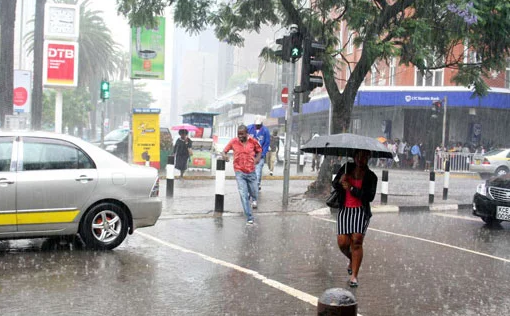
Urban manufacturing centers like Nairobi frequently experience high localized precipitation concentrations, sometimes recording single-station seven-day totals exceeding 60 mm. These concentrated downpours present serious challenges for aging municipal drainage systems, even during periods when overall national rainfall is decreasing. The resulting localized flash floods disrupt transport networks, highlighting the need for resilient urban engineering.
Conversely, the northern trade routes and pastoral hubs are facing severe thermal stress, with standard daytime measurements regularly reaching 37°C to 38°C. This intense heat increases evapotranspiration rates, straining available water reservoirs and reducing the productivity of livestock-dependent communities. These high temperatures require specialized water management strategies to sustain local economies.
Simultaneously, key high-altitude agricultural zones face the opposite challenge of extreme evening cooling, with temperatures dropping to between 8°C and 10°C in areas like Nyahururu and Eldoret. This sharp daily temperature range affects sensitive cash crops and alters local energy demands. These diverse conditions underscore why a single, uniform national climate approach is ineffective.
Read Also: Top Comoros Official Hospitalized in Nairobi Amid Rising Tensions in Moroni
Socioeconomic Impacts of Unpredictable Seasonal Transitions
The sharp divide between regional downpours and northern heatwaves places a heavy burden on the national economy. Unpredictable climate shifts directly impact agricultural output, logistics efficiency, and retail supply chains.
Smallholder Agricultural Vulnerability and Crop Yield Planning
Fluctuating moisture levels disrupt traditional planting schedules for farmers in key food-producing regions like Nandi, Kakamega, and Nakuru. Unpredictable afternoon thunderstorms can damage young crops, while unexpected dry spells disrupt fertilizer application timelines.
Changes in moisture levels also increase the risk of crop diseases and pests, forcing farmers to spend more on chemical treatments. This uncertainty makes it difficult for agricultural cooperatives to predict seasonal outputs accurately, affecting food pricing across urban retail markets.
Urban Supply Chain Disruptions and Logistics Bottlenecks
In major cities like Nairobi and Mombasa, sudden morning downpours quickly cause traffic congestion and transport delays. Flooded roads slow down commuter traffic and delay the delivery of wholesale goods, driving up daily operational costs for logistics companies.
For coastal trade routes, the threat of heavy rain creates extra challenges for cargo handling at major ports. These delays ripple through the regional supply chain, affecting landlocked economies that depend on local transit corridors for international trade.
The Infrastructure Strain: Urban centers face high infrastructure risks when sudden, heavy downpours overwhelm aging stormwater drainage networks.
Meteorological Driver Classifications and Forecasting Technology Realities
The ongoing changes in local weather point to a critical need for advanced tracking technology and better data modeling. Atmospheric changes over the Indian Ocean continue to alter traditional precipitation timelines across East Africa.
National forecasters must deal with rapidly changing local microclimates that resist broad historical models. Improving real-time satellite tracking and expanding regional weather stations are vital steps to providing accurate warnings for vulnerable communities.
Furthermore, clear and direct communication of these technical forecasts is essential. Ensuring local transport sectors and farming communities can easily understand weather alerts helps protect both lives and businesses from sudden environmental shifts.
Infrastructure Resilience Mandates and Urban Drainage Crises
The high rainfall levels in Nairobi underscore a growing problem with urban infrastructure design. Concrete surfaces prevent rainwater from absorbing naturally into the ground, turning minor storms into localized flash floods.
Municipal authorities must prioritize cleaning up urban waterways and expanding subterranean drainage systems to handle sudden high volumes of water. Regular maintenance of drainage paths prevents costly damage to roads and commercial properties.
Building codes must also change to require sustainable urban design, like permeable pavements and green spaces that absorb overflow water. Taking these steps helps protect cities from the economic losses caused by sudden weather disruptions.
Read Also: Rio Ferdinand To Open International Doors For Arusha Through AFCON 2027
Strategic Adaptation Protocols for Local Commercial Entities
To manage climate risks effectively, local businesses must shift from reactive responses to proactive planning. Implementing resilient operational strategies helps protect profit margins from sudden weather changes:
- Agribusiness Dynamic Irrigation: Investing in smart water storage systems allows farmers to protect crops during unexpected heatwaves.
- Logistics Alternative Routing: Transport companies should use real-time tracking data to reroute deliveries away from flood-prone urban streets.
- Construction Flexible Scheduling: Project managers should plan outdoor work around real-time weather updates to avoid rain damage and costly delays.
Using backup power systems and weather-resistant storage spaces helps protect delicate stock from extreme heat or sudden dampness. These investments build long-term business resilience against climate fluctuations.
National Climate Policy Directions and Regional Cooperation Goals
Addressing these ongoing weather anomalies requires a coordinated national policy that links environmental research with economic planning. Government bodies must work together to create long-term climate adaptation strategies for agriculture and infrastructure.
Allocating funds for regional climate resilience programs ensures that vulnerable counties receive early warning tools and disaster management resources. This support helps local authorities manage extreme weather events effectively without draining emergency reserves.
Ultimately, building a climate-resilient economy depends on continuous learning and adaptation. Encouraging sustainable resource management helps protect national development goals from the challenges of an unpredictable climate.

