
Kenya Political Parties Fund Dispute Triggers Urgent High Court Legal Interventions

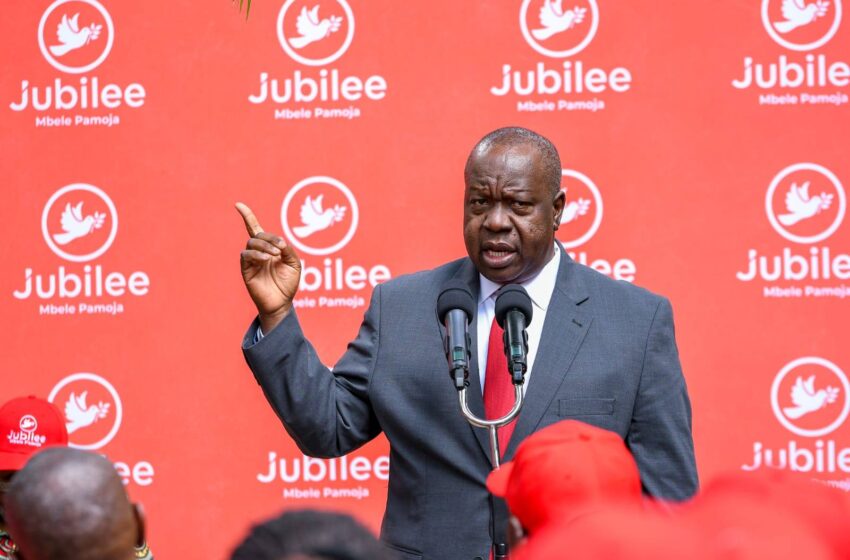
The institutional financing of multiparty democracy within the national political landscape is facing critical judicial scrutiny following intense disputes over state disbursements. Political party financing serves as a foundation for constitutional governance, ensuring that alternative voices can maintain operational independence. When statutory funding models face continuous allocation deficits, the stability of national democratic frameworks and coalition politics is directly threatened.
Resolving these fiscal disagreements requires looking closely at how public revenue is divided among qualified organizations. National legislatures, state treasuries, and regulatory offices must balance broad fiscal management with strict legal mandates. Investigating these systemic funding gaps helps clarify how public resources support democratic stability and political equity.
Statutory Revenue Allocation Benchmarks and MultiParty Funding Matrix
Evaluating the structural breakdown of political party financing requires analyzing specific statutory minimums and historical legal frameworks. Discrepancies in revenue distribution directly alter the financial health of qualified organizations and shift the balance of political power.
|
State Institution & Legal Party |
Statutory Allocation Duty |
Mandated Revenue Metric |
Historical Legal Precedent |
Primary Governance Vulnerability |
|
National Treasury (Cabinet Secretary) |
Financial Disbursement & Budgetary Management |
Minimum 0.3% of Total Revenue |
Court of Appeal Ruling 2019 |
Executive Underfunding & Resource Depletion |
|
National Assembly (Legislative Body) |
Budgetary Appropriation & Resource Oversight |
Full Fiscal Year Compliance |
Statutory Formula Deadlines |
Legislative Non-Compliance & Policy Delays |
|
Registrar of Political Parties (ORPP) |
Fund Administration & Compliance Monitoring |
Equal Application of Law |
Section 24 Political Parties Act |
Regulatory Oversight Failures & Tracking Gaps |
|
Jubilee Party (Petitioner Entity) |
Legal Accountability & Rights Preservation |
Collection of Fiscal Arrears |
Arrears From 2012/2013 |
Operational Capacity Loss & Coalition Risks |
|
Attorney General (State Respondent) |
Government Legal Defense & Constitutional Advisory |
Enforcement of Statutory Acts |
Public Interest Criteria |
Constitutional Breaches & Legal Uncertainty |
The statutory framework established under Section 24 and Section 25 of the Political Parties Act of 2011 explicitly dictates that the national government must allocate a minimum of 0.3 percent of all collected national revenue to the Political Parties Fund. When actual budget allocations fall below this clear legal line, it creates a systemic deficit that weakens the financial foundation of qualified political organizations.
This ongoing issue persists despite a landmark 2019 Court of Appeal decision in the case of Orange Democratic Movement (ODM) v National Treasury & 3 Others. The appellate court confirmed that qualified political parties have a clear right to all funds calculated under the legal formula, including long-standing arrears stretching back to the 2012/2013 financial year. Ignoring these established judicial rulings creates serious friction between the executive branch and independent political groups.
Consequently, political organizations face severe funding shortfalls right as major national realignments and complex coalition negotiations begin to accelerate. Without reliable state funding, these organizations struggle to manage active party offices, handle nationwide member registration, and run effective policy research teams. This institutional strain highlights why stable, predictable state funding is essential for safeguarding multiparty governance.
Read Also: Top Comoros Official Hospitalized in Nairobi Amid Rising Tensions in Moroni
Constitutional Impacts of Delayed Democratic Financing
The long-standing gap between statutory funding mandates and actual state allocations creates severe hurdles across the national political environment. Unpredictable budget disbursements directly impact political equity, institutional planning, and the stability of large coalitions.
Political Equity Vulnerabilities and Institutional Party Planning
Fluctuating fund disbursements disrupt long-term development plans for qualified organizations trying to maintain independent national secretariats. Unpredictable funding cuts force parties to scale back public outreach, slow down civic education initiatives, and limit local branch operations.
These ongoing financial limits prevent organizations from building permanent, professional structures that look beyond individual election cycles. This instability makes political parties highly dependent on private donors or powerful individuals, undermining the core goal of public political financing.
Coalition Stability Risks and Strategic Alliance Distortions
When state funds are withheld or underfunded, it distorts the power balance within major political alliances and upcoming coalition negotiations. Parties with fewer resources face major disadvantages when negotiating terms with larger groups that hold alternative revenue streams.
The Governance Strain: Multiparty democratic systems face high operational risks when continuous state underfunding limits the independence of qualified political parties.
Judicial Enforcement Realities and Legislative Compliance Pressures
The persistent conflict over the Political Parties Fund underscores a deep institutional problem regarding how the state complies with judicial rulings. When the executive and legislative branches ignore specific appellate court decisions, it weakens public trust in the rule of law.
High Court judges must constantly assess how to issue emergency conservatory orders without overstepping into the legislature’s budgeting authority. This careful balance between judicial review and legislative independence remains a central challenge in modern constitutional law.
Officially ensuring that statutory funding formulas are automatically applied is vital for long-term stability. Removing political influence from the budget process is essential to ensure that qualified parties receive their resources fairly and on time.
Institutional Strengthening and Strategic Political Resource Management
To survive prolonged funding deficits, political organizations must shift from relying entirely on state funds to building sustainable internal resource models. Implementing professional financial strategies helps protect party operations from state budget delays:
- Diversified Grassroots Mobilization: Setting up digital payment systems allows parties to collect reliable, small-scale membership fees directly from the public.
- Asset Commercialization: Investing in permanent party real estate and media assets generates steady income to cover everyday operational costs.
- Policy Research Consortia: Partnering with independent academic think tanks allows parties to develop deep policy papers without draining internal funds.
Building clean, transparent financial records also makes it easier for parties to secure legitimate philanthropic grants and corporate partnerships. These structural improvements protect long-term institutional independence from shifting government agendas.
Read Also: Rio Ferdinand To Open International Doors For Arusha Through AFCON 2027
Democratic Policy Directions and Regulatory Accountability Goals
Fixing these recurring funding imbalances requires a coordinated policy approach that connects legislative oversight with strict regulatory accountability. Independent oversight bodies must work closely together to ensure that statutory funding minimums are protected during national budget planning.
Enforcing strict financial transparency rules ensures that political parties use their state funds responsibly for public benefit and civic engagement. This clear accountability helps build public support for expanding democratic funding pools during future fiscal years.
Ultimately, protecting multiparty democracy depends on continuous compliance with established legal rules. Ensuring that state institutions respect statutory formulas safeguards long-term national development and keeps governance open, fair, and competitive.