
2026 WRC Earnings: Safari Rally Success, Driver Contracts, Financial Strategy

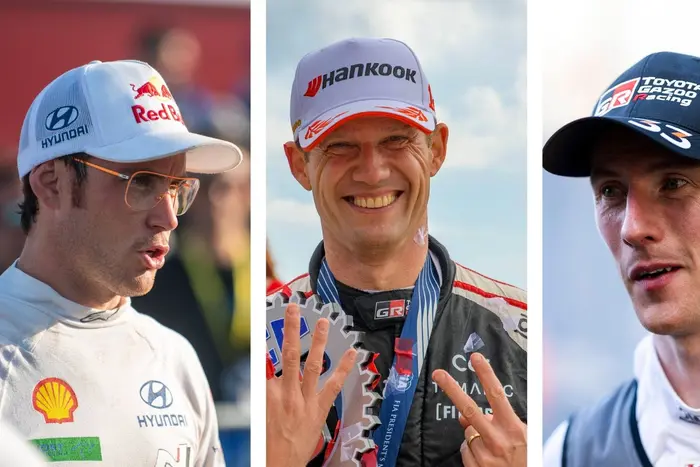
The financial landscape of the FIA World Rally Championship relies on a complex web of multi-million dollar manufacturer contracts, performance bonuses, and commercial endorsements.
Top-tier factory drivers for operations like Toyota Gazoo Racing and Hyundai Shell Mobis command base annual salaries ranging from $1 million to upwards of $2 million, contrasting sharply with part-time or privateer entrants who rely entirely on personal sponsor backing.
Navigating these lucrative driver contracts requires a meticulous corporate financial strategy, balancing high-risk team overheads against global marketing returns and brand visibility on the world stage.
Financial Mechanics of Rallying
Compensation structures for elite WRC drivers operate on a high-stakes, performance-tiered model. While specific contract values remain private, industry analysis suggests that top-tier factory drivers in the 2026 season operate within a salary bracket of $2 million to $8 million annually. This compensation package is typically split into three pillars:
-
Base Retainer: A guaranteed annual salary paid by the manufacturer (Toyota Gazoo Racing, Hyundai Motorsport, or M-Sport). This covers the driver’s professional services for the full championship season.
-
Performance Bonuses: Significant financial incentives triggered by podium finishes, stage wins, and championship points. These bonuses often account for 30% to 50% of a lead driver’s total annual take-home pay.
-
Commercial Equity: Revenue generated from personal sponsorship agreements, brand ambassadorships, and licensing. Elite drivers with strong media profiles, such as Sébastien Ogier or Thierry Neuville, leverage their public brand to secure secondary income streams that often rival their primary team salaries.
Manufacturers justify these investments by measuring “Return on Marketing Investment” (ROMI), linking driver success directly to global brand visibility. Consequently, a win at a marquee event like the Safari Rally Kenya does more than just secure championship points but it directly increases a driver’s bargaining power for future contract renewals.
Read Also: Top Comoros Official Hospitalized in Nairobi Amid Rising Tensions in Moroni
2026 Estimated Compensation Tiers
Despite the exact contract values remain protected, industry benchmarks for the 2026 factory WRC field follow these estimated compensation structures. These figures account for base salary, performance bonuses, and commercial incentives.
| Driver Category | Estimated Annual Range (USD) | Primary Income Composition |
| Tier 1: World Champions | $5.0M – $8.0M | High base, large commercial share |
| Tier 2: Factory Lead Drivers | $3.0M – $5.0M | Mixed base, performance-heavy |
| Tier 3: Support & Rising Stars | $1.0M – $3.0M | Base salary with development bonuses |
2026 WRC Season: Competitive Landscape
The 2026 season has already delivered intense battles, significantly impacting the championship standings and, consequently, the drivers’ financial outlooks. Performance consistency remains the primary metric for salary renegotiations and contract extensions.
| Round | Rally | Winner | Financial Impact |
| 1 | WRC Rallye Monte-Carlo | Oliver Solberg | High (Bonus Trigger) |
| 2 | WRC Rally Sweden | Elfyn Evans | Moderate |
| 3 | WRC Safari Rally Kenya | Takamoto Katsuta | Very High (Prestige) |
| 4 | WRC Croatia Rally | Takamoto Katsuta | High |
| 5 | WRC Rally Islas Canarias | Sébastien Ogier | High (Legacy Status) |
| 6 | WRC Vodafone Rally de Portugal | Thierry Neuville | Moderate |
| 7 | WRC FORUM8 Rally Japan | Elfyn Evans | Moderate |
Strategic Asset Management for Motorsport Athletes
Motorsport careers face unique pressure due to the physical toll and the reliance on manufacturer support. Successful drivers treat their professional contracts as “seed funding” for wider investment portfolios. Following the “Capital Stack” model, elite drivers mitigate high-risk racing careers through disciplined asset allocation.
Portfolio strategies follow four strategic pillars:
-
Alpha-Generation Assets: Drivers allocate portions of winnings into high-growth equities, targeting capital appreciation to offset the finite nature of professional racing.
-
Core Operational Assets: Real estate remains the primary choice for stability, offering rental income that persists after retirement from the cockpit.
-
Defensive Liquidity: Sovereign bonds and corporate credit instruments provide a buffer against systemic economic volatility.
-
Cash Equivalents: High-interest liquid reserves ensure capital remains available for immediate entry into new business ventures or emergency mitigation.
Comparative Case Study: High-Speed Investment Gap
To understand the difference between sustained wealth and the “retirement cliff,” consider two profiles of hypothetical athletes within the WRC paddock.
Athlete X: Volatility Seeker
Athlete X reinvests almost all earnings into high-risk, unproven ventures or lifestyle-inflation assets. Market fluctuations in speculative sectors leave this athlete vulnerable if performance drops or a manufacturer withdraws sponsorship.
Athlete Y: Institutional Professional
Athlete Y utilizes professional wealth management to distribute earnings according to a structured “Capital Stack.” By securing 60% of earnings in low-beta, core assets, Athlete Y ensures that even if a contract terminates, their standard of living remains constant.
Macro-Economic Halo Effect
Elite drivers who perform well in marquee events, particularly the WRC Safari Rally Kenya, experience a notable increase in brand equity. Winning such a high-profile international event acts as a marketing catalyst, drawing increased corporate interest and higher-value endorsement contracts. This “halo effect” elevates the driver from a competitor to a global commercial ambassador.
Locally, the impact is equally transformative. The 2026 Safari Rally in Naivasha served as more than a sporting spectacle; it acted as a significant driver for regional economic growth, injecting capital into the tourism, hospitality, and logistics sectors across the Great Rift Valley. Beyond the immediate commercial gain, the prestige of hosting a WRC round has accelerated institutional support for local talent.
Initiatives focused on technical training and academy-style development for young Kenyan rally drivers are now more robust, ensuring that the legacy of the Safari Rally is felt not just on the podium, but in the long-term professionalization of Kenya’s domestic motorsport ecosystem. This local investment effectively turns Kenya into a global motorsport hub, providing unique entry points for both international competitors and domestic entrepreneurs.
Navigating Career Transition
A professional rally driver’s career usually spans 10 to 15 years at the competitive peak. The primary challenge is not the salary itself, but the maintenance of that capital after the final race.
Successful veterans engage Outsourced Chief Investment Officers (OCIOs) to manage their wealth. This shift from “active earner” to “passive investor” is the most critical hurdle for any elite athlete. Those who master this transition often find that their portfolio returns in their 40s significantly outperform their annual rally earnings during their 20s.
Read Also: Rio Ferdinand To Open International Doors For Arusha Through AFCON 2027
Future Outlook
Professional rally driving in 2026 demands more than raw speed; it requires a sophisticated approach to long-term financial security. Drivers who leverage their current performance peaks to build sustainable, diversified investment portfolios define the elite tier. Success is measured not just by podium finishes in Japan or Portugal, but by the strength of the financial foundation established while the engine is still running.
Future growth in WRC will likely see more drivers moving into team ownership or technical consultancy roles post-retirement. These pathways represent the ultimate institutionalization of a driver’s career, turning years of competitive experience into long-term corporate governance roles.

