
Kalonzo Musyoka Opposition Flagbearer Prospects for 2027 General Election

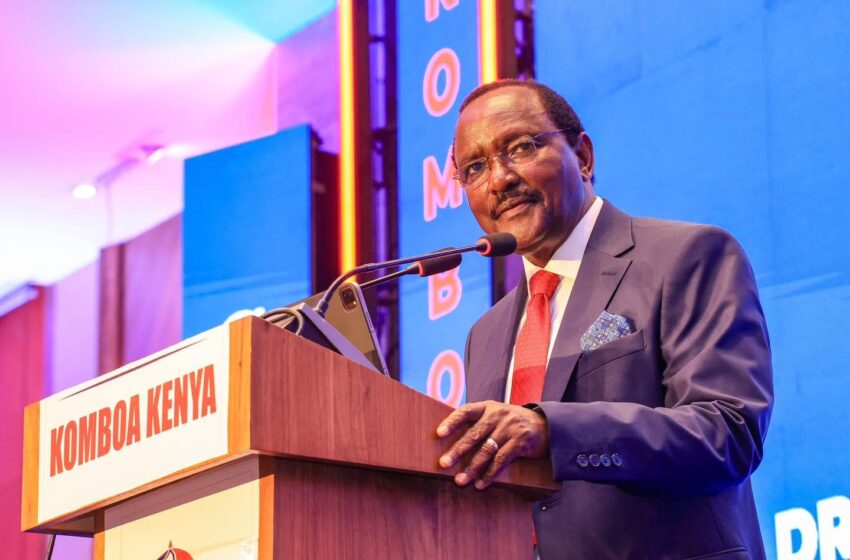
Political survival in Kenya requires a delicate balance between grassroots connection and high-stakes maneuvering. Kalonzo Musyoka, the Wiper Patriotic Front leader, currently occupies a unique space in this volatile ecosystem. The former Vice-President’s recent unveiling of a 13-point presidential agenda serves as a masterclass in strategic positioning, signaling a transition from collective opposition rhetoric toward a definitive individual candidacy.
Strategic Foundation and the 2027 Electoral Calculus
Legacy and experience provide the bedrock for Musyoka’s presidential ambitions. Years spent in the highest echelons of Kenyan leadership offer a blueprint for his proposed national renewal. Recent political realignments have forced the Wiper leader to pivot away from traditional dependency models. His latest move to launch a standalone platform reflects a calculated risk designed to consolidate support before the inevitable, high-pressure negotiations of coalition building begin.
Also Read: 5 Shocking Reasons Government Has Reduced Fuel Prices for 6 Months
Public perception often portrays the opposition as a fractured assembly of competing interests. Musyoka aims to disrupt this narrative by framing his candidacy as the stabilizing force of the United Alternative Government. Observers note that his ability to maintain neutrality during internal squabbles has become a primary asset. Every step toward the 2027 ballot reinforces his intent to move beyond the shadow of past kingmakers and lead the charge himself.
Comparative Strengths of Opposition Leadership
| Candidate | Regional Base | Strategic Advantage | Primary Challenge |
| Kalonzo Musyoka | Ukambani/National | Experienced/Moderate | Balancing coalition egos |
| Rigathi Gachagua | Mt. Kenya | High voter mobilization | Legal/Institutional hurdles |
| Fred Matiang’i | Gusii/Institutional | Statecraft/Tech-Savvy | Limited political grassroots |
Economic Policy as a Primary Campaign Lever
Economic hardship remains the most potent issue for the electorate in 2026. Proposed solutions within the “Komesha Ufisadi” agenda aim to address systemic rot while offering immediate relief for households burdened by taxation. Modernization of agricultural production and infrastructure, specifically the target of 6,000 megawatts of energy capacity, speaks directly to the demands for sustainable growth.
Policy frameworks that simplify complex economic jargon into actionable goals resonate deeply with voters. Musyoka’s emphasis on merit-based recruitment and the stabilization of public service stands in direct contrast to the patronage systems that often dominate political discourse. Investors and ordinary citizens alike look for predictability thus his platform seeks to offer a reliable alternative to the current administration’s fiscal strategies.
Coalition Dynamics and the Path to Consensus
United Alternative Government cohesion relies heavily on the ability of its principals to reconcile personal ambition with the overarching goal of defeating the incumbent. Discord frequently arises when individual profiles outpace collective messaging. Musyoka’s decision to avoid inviting his counterparts to his launch was a strategic delay, not a sign of division. Establishing a clear identity first allows him to arrive at the inevitable negotiating table from a position of strength.
Coalition politics in Kenya historically follow a pattern of late-stage consolidation. Intense speculation regarding the “Kibaki moment” 2027 equivalent keeps the focus on the final months before the polls. Managing these expectations requires finesse. Public sentiment suggests a growing appetite for a candidate who represents both institutional stability and the promise of reform.
Addressing the Generational Divide

Kenya’s demographic shift presents a major hurdle for traditional politicians. Young voters, shaped by the transformative protests of recent years, demand transparency and accountability over ethnic-based bargaining. Reaching this digital-first constituency requires more than conventional rallies. Musyoka’s focus on digital connectivity and inclusive development attempts to bridge the gap between his long-standing institutional credentials and the aspirations of a restless, younger electorate.
Transforming the “digital rebellion” into a coherent voting bloc remains the ultimate test. If Musyoka succeeds in demonstrating that his leadership translates into systemic change, he may secure the necessary broad-based appeal. Failure to bridge this divide risks leaving his campaign confined to the traditional corridors of power.
Institutional Trust and the Election Environment
Concerns regarding the integrity of the 2027 electoral process persist throughout the country. Advocacy for transparent systems and strong opposition oversight serves to bolster public confidence in the face of widespread voter skepticism. Persistent pressure on the government regarding financial transparency and legislative accountability forms a crucial part of his campaign identity.
Earning the trust of a skeptical public demands consistency. Every public address now doubles as a performance of his future governance style. Standing as the primary challenger to the Kenya Kwanza administration necessitates a robust defense of constitutionalism and civil liberties. The path toward the presidency for Musyoka is undeniably challenging, requiring him to be simultaneously a coalition unifier and a bold visionary.
The Road to the Ballot
Confidence in a presidential bid often hinges on the ability to survive the internal friction of an opposition front. Unity, while idealized, is functionally difficult to sustain for long periods. Navigating the delicate interplay between individual brand building and collective alignment defines the success of any flagbearer.
Also Read: National Budget Deficits Force Shift Toward Asset Backed Public Infrastructure Financing
Future engagements between the principals will likely focus on hammering out a singular ticket. Musyoka’s current trajectory suggests a deliberate attempt to be that single candidate. His campaign relies on the assumption that the electorate will prioritize experience and policy clarity over the transient promises of his political rivals.
Final Strategic Considerations
Victory in 2027 will not come easily. The incumbency advantage remains formidable, and the ability of the ruling administration to control the national agenda dictates the rhythm of the election cycle. Success for the Wiper leader depends on his ability to sustain the momentum generated by his new agenda.
Looking ahead, the evolution of the United Alternative Government will reveal the viability of this strategy. Should the coalition remain committed to his leadership, the path to a competitive race becomes clearer. Should internal fractures deepen, the dream of a unified opposition could once again crumble.
Leadership in the coming year demands resilience. Kalonzo Musyoka stands at the precipice of his most significant political opportunity. Whether he ultimately leads the nation or settles for a secondary role, his strategic maneuvers today determine the political landscape of tomorrow.