
Gudaf Tsegay Ban Sparks Fresh Debate Over Therapeutic Use Rules in Global Athletics

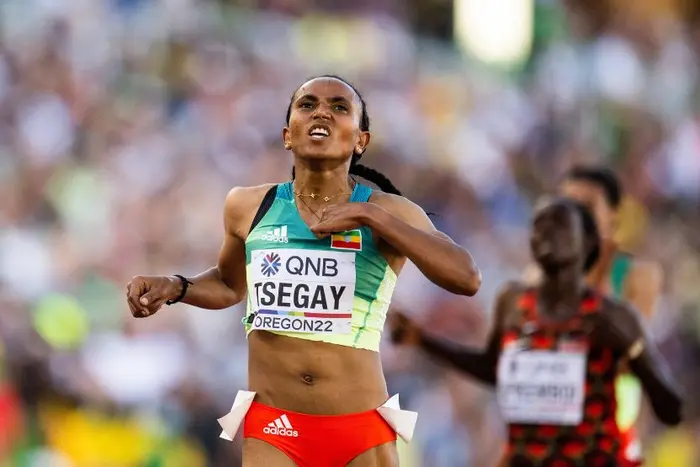
Olympic medallist and multiple-time world champion Gudaf Tsegay has received a four-month suspension after testing positive for a metabolite of letrozole, reopening discussions about how anti-doping authorities balance medical treatment with fair competition.
Despite the Ethiopian runner arguing that the medication had been prescribed for a legitimate health condition, regulators concluded that the absence of an approved therapeutic exemption before testing still constituted an anti-doping violation.
The case extends beyond a single athlete as it illustrates the increasingly complicated relationship between elite sports medicine, strict compliance requirements, and the evolving standards enforced by international governing bodies.
Also Read: Top Comoros Official Hospitalized in Nairobi Amid Rising Tensions in Moroni
Gudaf Tsegay Ban Explained
Authorities determined that Tsegay returned an adverse analytical finding following an out-of-competition sample collected in December 2025. Although subsequent medical evidence indicated that the medication addressed a diagnosed condition, the athlete ultimately accepted responsibility through a case resolution agreement.
The agreed sanction reduced the period of ineligibility to four months after investigators considered factors such as cooperation, prompt admission, and evidence suggesting limited fault.
Key Facts From the Case
| Category | Details |
|---|---|
| Athlete | Gudaf Tsegay |
| Substance Detected | Metabolite of letrozole |
| Test Timing | Out of competition |
| Length of Ban | Four months |
| Ineligibility Period | June through September 2026 |
| Result Consequence | Competitive results from 5 December 2025 disqualified |
Therapeutic Use Exemption Rules and Why They Matter
One of the most misunderstood aspects of modern anti-doping policy is the Therapeutic Use Exemption process. Commonly known as a TUE, it allows athletes with genuine medical conditions to use substances that would otherwise be prohibited.
However, obtaining approval requires satisfying strict scientific and administrative standards. Medical necessity alone does not automatically protect an athlete from sanctions if procedural requirements are not fulfilled before competition or testing.
In Tsegay’s case, officials reportedly accepted that the treatment met medical criteria but declined to grant a retroactive exemption, demonstrating how compliance timelines can become just as important as medical documentation itself.
Standard Requirements for a Therapeutic Use Exemption
| Requirement | Purpose |
| Documented medical diagnosis | Confirms legitimate health need |
| No reasonable permitted alternative | Prevents unnecessary use of prohibited substances |
| No unfair performance enhancement | Maintains competitive integrity |
| Proper application procedures | Ensures transparency and oversight |
Anti Doping Enforcement Continues to Tighten

Global anti-doping agencies have steadily expanded testing programs, data analysis, and biological monitoring over the past decade. Athletes competing at the highest level now operate under year-round reporting obligations that make compliance a continuous responsibility rather than a seasonal concern.
The emphasis on out-of-competition testing reflects a broader strategy aimed at discouraging prohibited substance use regardless of race schedules.
For elite runners, maintaining detailed medical records and consulting team physicians before beginning treatment has become essential risk management rather than optional administrative work.
Economic Impact of Doping Cases in Athletics
Suspensions affect more than medal counts. Elite competitors often rely on sponsorship agreements, appearance fees, endorsement contracts, and performance bonuses that can be jeopardized by anti-doping proceedings.
For national athletics programs, high-profile cases may also influence federation reputations and commercial partnerships. Investors and sponsors increasingly prioritize governance standards and integrity measures when deciding where to allocate funding.
This economic reality explains why sports organizations devote significant resources to education programs intended to prevent inadvertent rule violations.
Potential Consequences Beyond Competition
| Stakeholder | Possible Impact |
| Athlete | Lost earnings and damaged reputation |
| Sponsors | Reassessment of endorsement deals |
| National federations | Increased scrutiny and compliance costs |
| Event organizers | Renewed focus on integrity measures |
| Fans | Reduced confidence in competitive fairness |
Ethiopian Athletics and International Expectations
Ethiopia has long been recognized as one of the world’s dominant distance-running nations, consistently producing Olympic and world champions across track and road events.
Individual disciplinary cases should not be interpreted as evidence of systemic misconduct. Instead, they underscore the universal application of anti-doping regulations across countries and sporting traditions.
For aspiring athletes throughout East Africa, the incident reinforces the importance of understanding prohibited lists, medication disclosures, and exemption procedures from the earliest stages of professional development.
Policy Lessons for Future Competitors
The Tsegay decision demonstrates that anti-doping enforcement increasingly distinguishes between intentional cheating and procedural failures while still imposing sanctions when rules are breached.
Reduced penalties may be available where athletes establish limited fault and cooperate fully with investigators, but acceptance of medical necessity alone does not guarantee immunity from disciplinary action.
This distinction reflects an effort to preserve both athlete welfare and confidence in clean sport.
Also Read: Rio Ferdinand To Open International Doors For Arusha Through AFCON 2027
Outlook for Gudaf Tsegay
Following the completion of her suspension period, Tsegay will have the opportunity to return to competition and rebuild momentum in international middle and long-distance running.
Her future performances are likely to attract significant attention from fans and analysts alike, particularly given her established record as a global championship contender.
The broader significance of the case lies not only in the sanction itself but also in the reminder that modern elite sport requires excellence in regulatory compliance alongside excellence on the track.