
African Football World Cup Growth and Kenya Development Gap

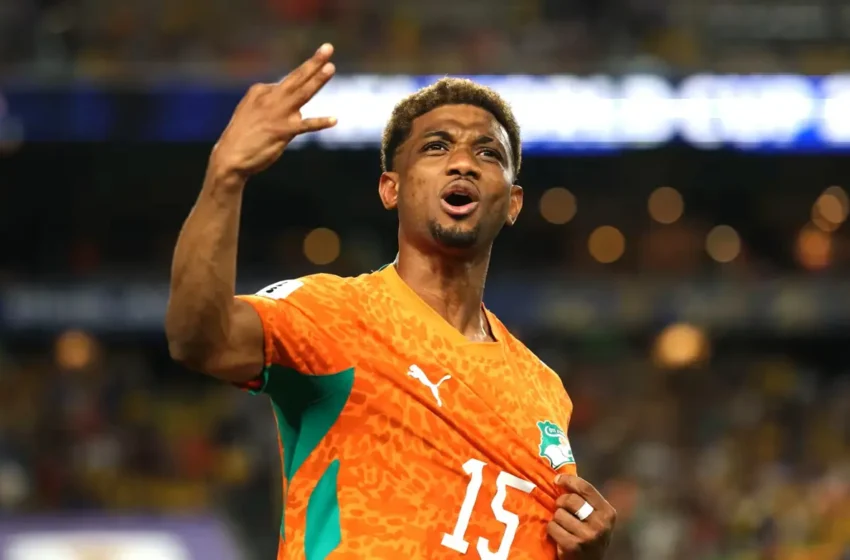
African football continues to shift in global competitiveness as World Cup performances reflect deeper structural changes across the continent. Ivory Coast’s narrow win over Ecuador, sealed by a late Amad Diallo goal, illustrates how CAF nations are evolving into more structured and tactically disciplined teams.
Modern African football now reflects a balance between individual talent and organized systems. Kenya and other emerging football nations now measure progress against this new continental standard, where consistency matters as much as brilliance.
Changing Identity of African Football on the World Stage
African teams historically relied on physical strength, speed, and individual flair. Modern competition at World Cup level demands more structure, patience, and tactical awareness.
Also Read: Top Comoros Official Hospitalized in Nairobi Amid Rising Tensions in Moroni
Ivory Coast demonstrated that shift through controlled game management against Ecuador. Defensive organization remained compact under pressure, while attacking moments were chosen carefully rather than forced.
Ecuador created multiple chances, including several shots that struck the woodwork, yet failed to break through a disciplined defensive setup. African teams increasingly show improved ability to withstand pressure in such situations.
CAF football now reflects a transition from unpredictable performance patterns toward structured systems shaped by modern coaching methods and international exposure.
Tactical Evolution Across CAF Nations
Improved coaching education and exposure to European football systems continue to reshape African football identity. National teams now benefit from players who compete regularly in high-intensity leagues abroad.
Ivory Coast represents one of the clearest examples of this evolution. Match control, defensive discipline, and structured transitions highlight a more mature tactical approach compared to previous generations.
African teams now rely less on open play and more on calculated build-up, positional discipline, and strategic decision-making during critical phases of matches.
Amad Diallo and Modern African Player Development
Amad Diallo’s decisive goal highlights the emergence of a hybrid player development model across Africa. Many elite players now develop within European academies while maintaining strong national identity ties.
This dual pathway produces players who combine technical discipline with natural creativity. Match-winning contributions often come from experience gained in high-pressure club environments.
Diallo’s performance reflects mental resilience and tactical awareness, qualities increasingly essential in modern international football.
African national teams benefit significantly from such players, especially in tightly contested matches where single moments define outcomes.
Kenya Position Within CAF Football Transformation
Kenya’s football development remains part of the broader African transformation. Progress continues through youth programs, domestic league improvements, and growing international exposure for selected players.
Gap analysis between Kenya and leading CAF nations highlights differences in three key areas:
| Category | Leading CAF Nations | Emerging Nations like Kenya |
|---|---|---|
| Player Exposure | High number in top European leagues | Limited international representation |
| Tactical Structure | Advanced systems and adaptability | Developing tactical consistency |
| Squad Depth | Strong bench strength across positions | Limited depth in key roles |
Ivory Coast performance illustrates benefits of long-term investment in player development pathways. Success at World Cup level depends heavily on structured systems rather than isolated talent.
Kenya’s challenge remains centered on consistency building rather than short-term competitiveness. Stronger youth academies and coaching systems represent critical areas for long-term improvement.
Tactical Discipline Defining Modern African Success
Defensive structure and game management now define success at international level. Ivory Coast displayed controlled defensive positioning against Ecuador, limiting opposition penetration despite sustained pressure phases.
Key tactical improvements across African teams include:
- Improved defensive compactness under pressure
- Better transition control between attack and defense
- Increased patience in build-up phases
- Stronger decision-making in final third situations
African football now reflects reduced reliance on chaotic open play. Structured systems allow teams to remain competitive against technically advanced opponents.
Ecuador’s inability to convert chances despite multiple opportunities demonstrates how tactical discipline now influences match outcomes at global level.
Africa Rising Influence in Global Football Competitions
African representation in top European leagues continues to grow, directly influencing national team performance. Exposure to elite-level competition improves tactical understanding and mental resilience.
CAF nations now enter global tournaments with stronger belief in competitive capability. Ivory Coast victory contributes to a broader trend where African teams influence tournament dynamics rather than simply participate.
Key factors driving this rise include:
- Expansion of African talent in elite European clubs
- Improved national team coaching infrastructure
- Greater tactical awareness among players
- Enhanced youth development systems
Sustained success remains dependent on consistency across multiple tournaments rather than isolated match victories.
Comparative View of Africa Football Development
| Factor | Previous Era | Current Era |
|---|---|---|
| Playing Style | Open and unpredictable | Structured and tactical |
| Global Exposure | Limited | Extensive European integration |
| Match Control | Low consistency | Increasing game management |
| Tournament Performance | Inconsistent outcomes | Improving stability |
African football now stands at a transitional stage where systems increasingly define success more than raw talent alone.
Kenya Future Path Within CAF Evolution
Kenya football development continues to align with continental trends. Youth development expansion and growing international scouting presence represent positive indicators.
Sustained progress requires investment in three major areas:
- Coaching development programs aligned with international standards
- Expansion of competitive youth academies
- Stronger integration with global scouting networks
African football progress shows no single shortcut exists to World Cup competitiveness. Structured long-term planning remains the foundation for advancement.
Ivory Coast example highlights importance of patience and system-based growth rather than reliance on individual talent bursts.
Africa Football Entering Structured Competitive Era
African football now operates within a more structured global environment where tactical discipline and player development pathways define success.
Ivory Coast win over Ecuador reflects broader continental progress rather than isolated performance. Amad Diallo contribution symbolizes new generation of African players capable of influencing global matches.
Also Read: Rio Ferdinand To Open International Doors For Arusha Through AFCON 2027
Kenya and other emerging CAF nations now operate within a competitive landscape shaped by systems, exposure, and consistency. Future progress depends on long-term investment in football infrastructure and development pathways.
African football identity continues to evolve from participation-based presence into structured global competition presence.