
Smart Driving License Enrollment Kenya Huduma Centre Mass Rollout Strategies

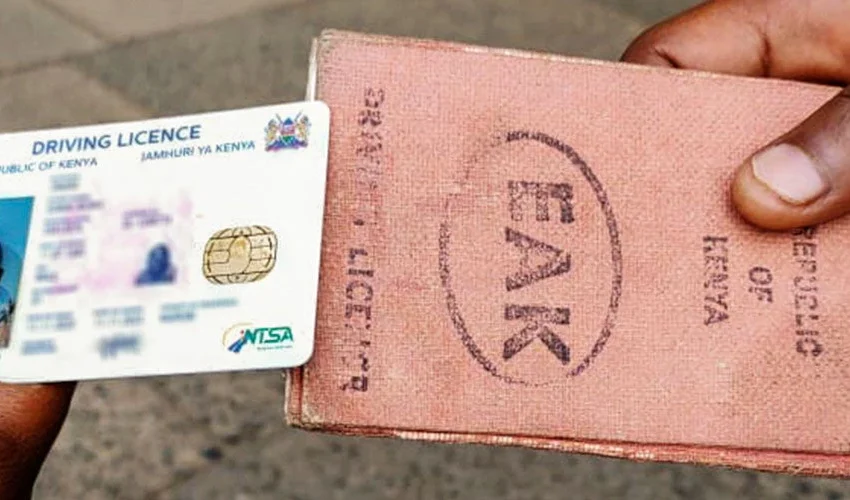
Kenya remains a trailblazer in public service modernization within East Africa by actively shifting toward digitized driver licensing. Decentralized infrastructure plays a central role in this progressive transition, delivering secure and fraud-resilient biometric identification straight to remote populations.
The latest mass enrollment campaign inside Bungoma County highlights a deliberate pivot toward grassroots technology adoption. Motorists in rural agricultural zones often face geographic exclusion from central agency offices. This specific regional deployment addresses historical backlogs while standardizing identification records nationwide.
State partnerships bridge the gap between policy blueprints and actual public implementation. The synergy between municipal administrative hubs and transport regulators accelerates the transition away from physical registries. Millions of road users will gradually phase into an ecosystem built on biometric authenticity and real-time data compliance.
Also Read: Top Comoros Official Hospitalized in Nairobi Amid Rising Tensions in Moroni
National Transport and Safety Authority Infrastructure Mapping and Decentralization
The National Transport and Safety Authority structural framework relies heavily on tech-driven operational efficiency. Early iterations of transport management systems suffered from processing delays and frequent server downtime. Modern updates to central portals allow thousands of concurrent users to complete portal validations seamlessly.
Strategic positioning within community resource centers removes systemic bottlenecks for rural drivers. Regional administrative spots serve as critical collection nodes, ensuring tech equity across all demographies. This framework ensures that identity verification occurs closest to the consumer base.
Transport Integrated Management System Operational Capabilities
The Transport Integrated Management System functions as the primary digital core for citizen automobile records. Drivers utilize this portal to link unique national identification details with active tax compliance data. This unified architecture eliminates duplicate driver identities while tracking ownership changes in real-time.
System upgrades permit secure third-party payment integration for immediate transaction processing. Motorists complete financial validations prior to scheduling processing appointments, which reduces queues at physical desks. The backend portal handles vast biometric sets securely without exposing delicate personal information.
Smart Driver License Fees and Complete Biometric Registration Walkthrough
Securing a digitized permit requires adhering to strict sequential steps designed to minimize manual manipulation. Motorists must navigate a blended model combining remote virtual pre-registration with face-to-face biometric collection. This layout ensures all documents undergo thorough scrutiny before permanent plastic issuance.
The process demands absolute precision during the initial portal documentation phase. Typographical errors at this stage can delay processing schedules or invalidate payment slips entirely. Applicants should double-check their records against physical national registers prior to financial checkout.
Step by Step Guide for NTSA Portal Registration
Applicants begin the process by setting up a personalized profile on the central transport portal. This requires inputting an accurate national identification number alongside a registered mobile phone contact. The platform issues unique authentication tokens to verify the user identity instantly.
The user proceeds to select the digitized permit option from the main application dashboard. Confirming existing biographical details ensures the upcoming physical card displays correct information. Any discrepancies in names or blood groups must be resolved before proceeding further.
Financial Settlement via Mobile Money Platforms
The state mandates a fixed processing fee of Ksh 3,050 for all digital upgrade applications. This payment is settled through integrated mobile money wallets or standard electronic banking channels. The platform generates immediate digital receipts containing unique confirmation codes upon successful transfer.
This automated billing system completely eliminates cash handling risks at municipal service counters. It enforces institutional transparency while protecting citizens from informal solicitation fees. The payment stays linked to the specific applicant profile throughout the entire production lifecycle.
Biometric Collection and Microchip Security Integration
Drivers present themselves at physical service centers following online booking confirmations. Officers require the original national identification document and the older physical red booklet for verification. This physical matching prevents identity theft and ensures only qualified drivers transition to the new platform.
Field operators capture high-resolution digital photographs, signatures, and complete fingerprint records. These biological markers are immediately flashed onto an unalterable microchip embedded in the card. This layout makes unauthorized duplications or black-market forge attempts virtually impossible.
Comparative Analysis of Kenyan Driver License Formats
The shift from analog tracking methods to secure smart microchips redefines transport administration. Evaluating the design parameters reveals why a comprehensive overhaul became necessary for national safety. The table below explores structural differences across various eras of Kenyan driving documentation.
| Feature Criteria | Traditional Red Booklet | Modernized Smart DL Card | Global Best Practices |
| Data Storage | Handwritten ink on paper pages | Secure encrypted microchip storage | Biometric chips with cloud syncing |
| Fraud Resilience | High vulnerability to page forgery | Tamper proof holographic layers | Cryptographic identity tokens |
| Enforcement Model | Manual visual checks by police | Instant digital reader scanning | Automated roadside sensor logs |
| System Integration | Isolated physical archives | Linked to tax and identity networks | Cross border transport networks |
Economic Implications for Bungoma County and Western Kenya Transport Corridors
Localizing specialized tech enrollment drives directly boosts subnational commercial hubs. Kimilili acts as a critical transit zone for agricultural transport networks moving goods across Western Kenya. Streamlining permit workflows ensures commercial operators experience minimal downtime due to administrative delays.
Reduced logistical friction translates into stable transport operational costs for long-haul tracking firms. Fleet managers can quickly verify driver compliance metrics without sending staff on expensive cross-county trips. This localized availability stimulates small-scale transport businesses by easing regulatory compliance barriers.
Formalizing driver identities boosts credit worthiness indicators within the transport sector. Financial institutions favor operators possessing verifiable, biometric state credentials when processing asset financing requests. This shift turns a simple driving permit into a tool for regional economic empowerment.
Traffic Enforcement via Demerit Point Mechanisms and Mobile Wallets
The modern card design is more than a simple identification token. It forms the backbone of a sophisticated, responsive traffic monitoring ecosystem. Built-in demerit capabilities allow transport authorities to enforce safe driving habits dynamically.
Minor infractions lead to point deductions calculated automatically via electronic reader devices. Amassing repetitive traffic violations triggers temporary permit suspensions or mandatory retraining orders. This mechanism shifts enforcement away from arbitrary fines toward sustainable behavioral modification.
Embedded mobile financial connectivity enables instant roadside settlement of statutory fines. This design minimizes physical cash interaction between transit police officers and vehicle operators. The resulting data logs provide traffic departments with clear analytics regarding regional offense patterns.
Also Read: Ngemi Festival 2026: Theme, Venue, Date and Everything You Need to Know
Huduma Kenya Strategic Role in Eliminating National Administrative Backlogs
The partnership between transport bodies and central service centers optimizes state resource utilization. Utilizing pre-existing local service architecture prevents the costly construction of new agency offices. This framework leverages shared facilities to deliver multi-agency solutions under a single roof.
Accelerated processing targets mean local centers fulfill document handovers well within three days. This timeline beats traditional multi-week waiting periods that plagued earlier generation distribution networks. Efficient turnarounds build public confidence in automated governance systems.
Continuous training ensures customer care representatives handle digital complaints with professional agility. Staff help citizens navigate unfamiliar software environments, boosting digital literacy in rural communities. This systematic approach ensures no population segment is left behind during the national digital transition