
Why Lionel Messi World Cup Hat Trick at Record Age Redefines Football Longevity Explained

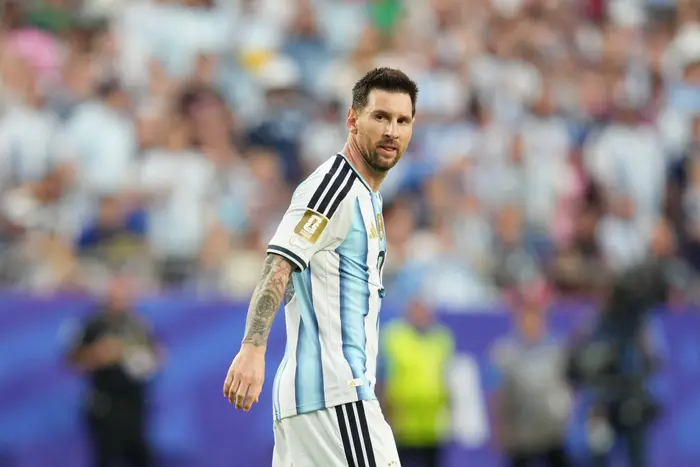
Lionel Messi continues to challenge the idea that football greatness has an expiration date. His latest World Cup hat trick and record-breaking appearance highlight more than individual brilliance.
They point to a deeper transformation in modern football. A shift where intelligence, adaptation, and sports science now extend careers far beyond what was once considered possible.
To understand this moment properly, it is important to move beyond the match result and look at how football itself has evolved.
Also Read: Top Comoros Official Hospitalized in Nairobi Amid Rising Tensions in Moroni
Why Lionel Messi Performance Still Matters in Modern Football
Elite football is usually dominated by younger athletes. Speed, acceleration, and physical intensity are often seen as defining factors.
Most attackers decline after their early 30s because:
-
Sprint speed reduces over time
-
Recovery between matches becomes slower
-
Injuries become more frequent
-
Tactical systems evolve around younger players
Despite these natural limitations, Messi continues to perform at the highest level. The reason lies in adaptation rather than resistance to aging.
Instead of relying on physical dominance, his game has shifted toward efficiency, positioning, and decision making.
Lionel Messi World Cup Record Explained in Context
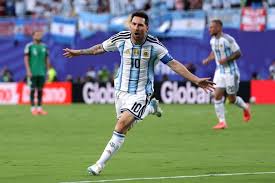
Messi’s World Cup milestones are not isolated achievements. They represent sustained excellence across two decades of international football.
Key elements of his record include:
-
Six World Cup tournament appearances
-
Multiple decisive goal contributions across editions
-
Continued influence in knockout and group stage matches
-
Leadership role in Argentina’s tactical structure
This level of consistency is rare in international football, where squads typically evolve every four years.
How Modern Football Science Extends Player Careers
One of the biggest changes in football is the rise of sports science.
Clubs and national teams now use advanced systems to extend player performance.
Key Support Systems
| System | Function | Impact on Career Longevity |
|---|---|---|
| Recovery monitoring | Tracks fatigue levels | Reduces injury risk |
| GPS tracking | Measures movement intensity | Controls workload |
| Nutrition planning | Optimizes energy output | Improves consistency |
| Tactical load management | Reduces unnecessary running | Preserves energy for key moments |
| Medical analytics | Predicts injury risk | Extends playing years |
These systems allow players like Messi to remain effective even when physical peak years pass.
Tactical Evolution Behind Lionel Messi Late Career Success
Messi’s role in modern football is very different from earlier stages of his career.
Earlier:
-
Played wide attacking roles
-
Relied heavily on dribbling and acceleration
-
Covered large attacking spaces
Now:
-
Operates as a central playmaker
-
Controls tempo instead of constant movement
-
Focuses on final third decision making
-
Conserves energy for decisive actions
This transformation reduces physical strain while increasing influence on match outcomes.
Why Argentina System Maximizes Lionel Messi Impact
Argentina’s tactical approach is designed to support Messi’s strengths.
Key structural features include:
-
Midfield support that reduces defensive pressure on him
-
Fast transitions that allow quick attacking opportunities
-
Flexible positioning allowing Messi to drift into space
-
Strong defensive structure to protect attacking freedom
This system ensures Messi is not overburdened defensively, preserving his attacking effectiveness.
Lionel Messi Performance Compared to Other Football Legends
| Player | Peak Era | Late Career Output | Adaptation Style |
|---|---|---|---|
| Lionel Messi | 20s–late 30s | Still elite | Playmaker evolution |
| Cristiano Ronaldo | 20s–mid 30s | Goal-focused role | Reduced movement reliance |
| Thierry Henry | 20s–early 30s | MLS transition phase | Positional adjustment |
| Diego Maradona | 20s | Early decline period | Limited sports science support |
This comparison shows how modern football allows longer elite careers than previous generations.
Economic Influence of Lionel Messi in Global Football
Football today operates as a global entertainment industry.
Superstar players influence revenue in multiple ways:
-
Broadcasting rights value increases during matches
-
Sponsorship deals gain higher global exposure
-
Merchandise sales rise after major performances
-
Digital engagement spikes across platforms
Messi’s presence significantly increases global viewership, making him both a sporting and commercial asset.
Why Fans Connect Emotionally With Lionel Messi
Messi is not only a footballer. He is a long-term global sports narrative.
Fans are drawn to:
-
His long rivalry history with Cristiano Ronaldo
-
His loyalty to Argentina national identity
-
His consistency across multiple football eras
-
His ability to deliver in major tournaments
This emotional connection turns every performance into a global event.
Lionel Messi World Cup Hat Trick Explained Match Context
The hat trick itself reflects more than finishing ability.
It demonstrates:
-
High positioning intelligence
-
Efficient movement in attacking zones
-
Ability to read defensive weaknesses
-
Composure in high-pressure moments
Even at an advanced age in football terms, Messi continues to decide matches at elite level.
Comparison of Key World Cup Contributors
| Player | Role Type | Influence Level | Tournament Impact |
|---|---|---|---|
| Lionel Messi | Playmaker and scorer | Extremely high | Match defining |
| Kylian Mbappe | Speed attacker | High | Rapid transitions |
| Erling Haaland | Target striker | Emerging high | Finishing focused |
This shows how football now features multiple styles of elite influence.
Why This Performance Changes Football Thinking
Messi’s longevity forces a rethink of traditional football assumptions.
Old assumption:
-
Players peak early and decline quickly
Modern reality:
-
Tactical intelligence can extend elite performance
-
Physical decline can be offset by positioning
-
Experience becomes a competitive advantage
Football is no longer only about physical dominance. It is about adaptation and efficiency.
Also Read: Rio Ferdinand To Open International Doors For Arusha Through AFCON 2027
Lionel Messi Legacy Beyond Numbers
Statistics alone cannot define Messi’s career.
His legacy includes:
-
Longevity at elite international level
-
Ability to remain decisive across decades
-
Influence on modern attacking football roles
-
Cultural impact across global fan bases
These elements place him in a category beyond traditional performance metrics.
Insight on Lionel Messi World Cup Longevity
Lionel Messi’s continued dominance shows that modern football has evolved into a hybrid of athletic ability, tactical intelligence, and scientific support systems.
His World Cup performance is not just a highlight. It is evidence that elite sport now allows careers to extend far beyond previous expectations.
Rather than declining, he has adapted. That adaptation is what defines his continued relevance in world football.

