
How Kenya Power’s New Engineering Interventions Aim to Prevent Wildlife Electrocution

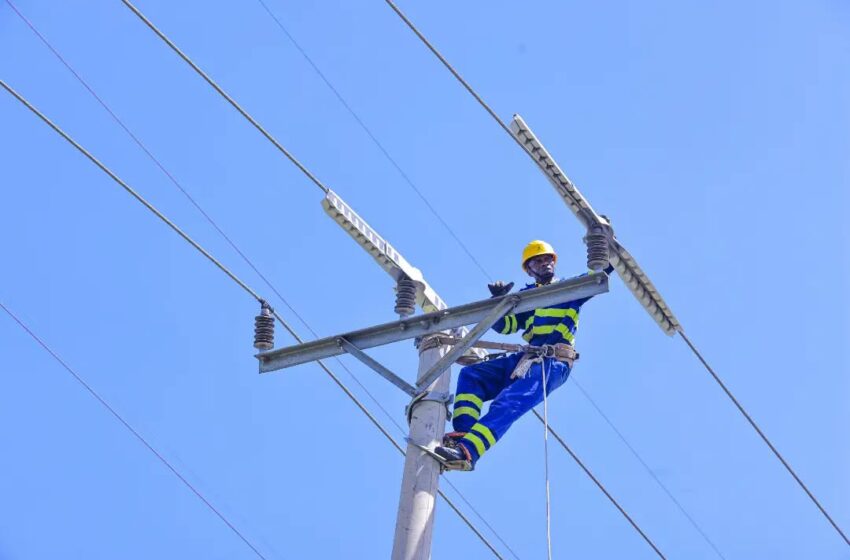
Images/ Kenya Power
Maintaining a stable, uninterrupted electrical grid represents a fundamental requirement for macroeconomic stability and long-term industrial investment.
In developing financial landscapes, the challenge of grid maintenance often shifts away from simple generation limits toward the physical protection of transmission networks.
The Kenya Power and Lighting Company (KPLC) recently announced a major operational step forward, signaling a shift in how utility managers look at rural grid vulnerabilities and biodiversity management.
The utilities firm, working through its specialized Institute of Energy Studies and Research (IESR), officially launched a five-year infrastructure protection initiative designed to address grid reliability and protect local wildlife. This comprehensive campaign relies on a strategic partnership with US-based asset protection expert Kaddas Enterprises. The collaborative deployment focuses heavily on retrofitting critical distribution corridors with patented insulation technologies, transforming high-risk areas from historical trouble spots into safe, resilient energy networks.
The primary testing ground for these structural updates centers on the Lanet–Naivasha Interconnector line, a vital power route that cuts through the Soysambu Conservancy in Nakuru County. This specific corridor has historically suffered from recurrent reliability issues caused by environmental interactions. The pilot project involves fitting specialized, wildlife-friendly protective covers on high-risk poles and transformers used by birds of prey and large migratory mammals, providing a clear blueprint for wider national upgrades.
The broader strategy behind this project highlights the changing relationship between infrastructure builders and conservationists. Building a predictable, resilient regulatory and operational framework allows utility companies to actively reduce unexpected capital expenses while safeguarding natural capital. The multi-stage project aims to turn local field lessons into institutionalized engineering standards that can guide future public utility expansions across the East African region.
The True Cost of Wildlife-Induced System Outages

The financial and operational impacts of wildlife interactions on large utility networks are far more severe than simple conservation concerns might suggest. When a large animal comes into direct contact with energized, uninsulated components, the resulting phase-to-phase faults cause immediate damage to localized equipment. These incidents trigger automatic circuit breaker trips at nearby substations, cutting off electricity to thousands of downstream homes and commercial operations.
Internal data from Kenya Power indicates that human activities and animal interactions collectively account for approximately 50% of all recorded power outages nationwide. Out of these systemic interruptions, direct wildlife contact is responsible for a staggering 30% of the total incidents. These operational realities make grid insulation an urgent economic priority rather than a secondary corporate responsibility initiative.
The underlying technical challenge stems from the widespread use of concrete support poles across modern distribution networks. While concrete offers superior longevity and durability compared to traditional wooden poles, it is highly conductive when grounded. When a large raptor lands on a crossarm and bridges the gap between an active line and the conductive concrete frame, an electrical arc forms instantly, killing the bird and tripping the circuit breaker.
| Operational Hazard Category | Environmental Vulnerability | Localized Grid Impact | Engineering Remediation |
| Conductive Crossarms | Perching Augur Buzzards & Eagles | Substation Breaker Trips | High-Dielectric Silicone Covers |
| Low Clearance Spans | Migrating Rothschild’s Giraffes | Phase-to-Phase Flashovers | Elevated Pole Configurations |
| Exposed Transformers | Foraging Local Primates | Blown Fuses & Equipment Fires | Polyethylene Bushing Shields |
| Open Line Jumpers | Large Flying Raptors | Localized Distribution Drops | Self-Amalgamating Insulation Tape |
The installation of high-dielectric silicone polymers, such as the BirdguarD™ product line, provides an effective barrier that prevents these current paths from completing. These specialized materials are chemically engineered to withstand intense UV radiation, high temperatures, and severe weather changes typical of the Rift Valley landscape, ensuring the upgrades provide long-term protection without requiring frequent maintenance.
Economic Dividends and Institutional Capacity Building
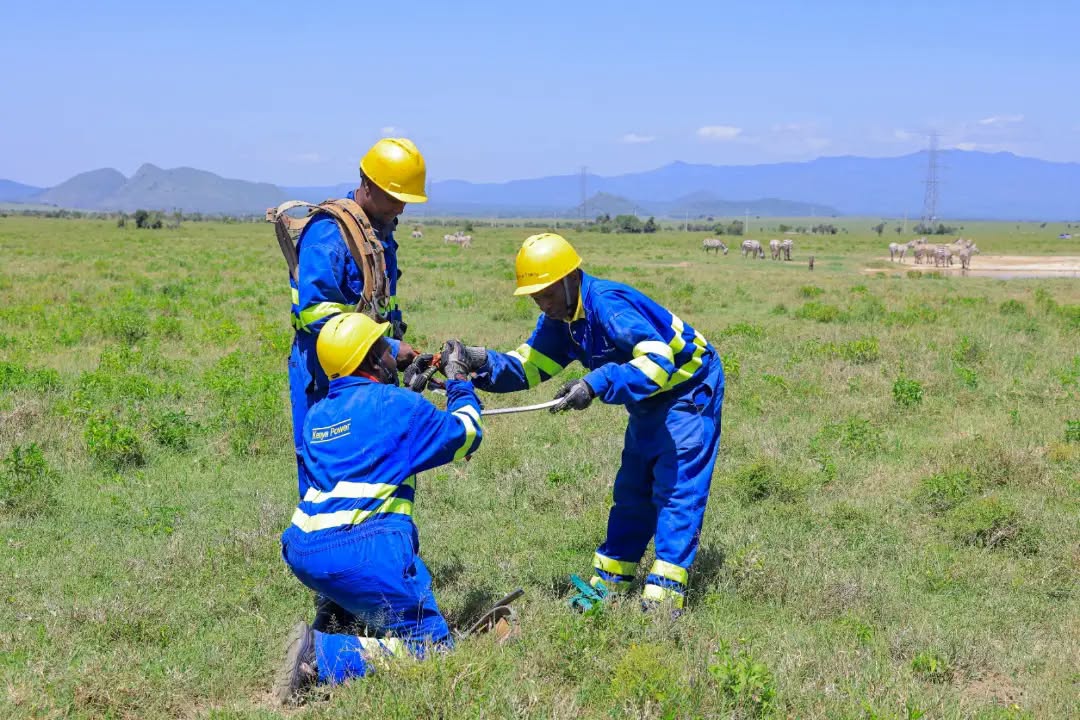
The long-term benefits of this technical retrofitting program extend far beyond the energy sector. Industrial manufacturers, commercial agro-processors, hospitals, and digital services all depend on a stable, predictable flow of electricity to keep their operations moving efficiently. Eliminating frequent, avoidable outages helps businesses avoid costly production stoppages and reduces the need to run expensive backup diesel generators.
Furthermore, protecting endangered birds of prey directly supports Kenya’s multi-million dollar nature-based tourism industry. International birdwatchers, ecological researchers, and wildlife photographers travel extensively to the Rift Valley region, contributing important foreign exchange revenues to the national economy. Taking direct action to make distribution lines safer helps secure these critical tourism assets for the future.
The collaborative framework established between the IESR and Kaddas Enterprises also includes a comprehensive technical training program for local operations staff. Field engineers, line maintenance crews, and regional planners are receiving specialized instruction on wildlife-safe infrastructure design. This educational drive ensures that sustainable practices are integrated directly into the everyday operations of the utility provider.
READ: Why Gor Mahia Biggest Victory Before CAF Champions League May Have Happened Off Pitch
Building this internal expertise allows the company to transition from a reactive model of fixing faults after they happen to a proactive strategy of designing lines correctly from the start. Teams applying these methods across the country establish a practical model showing that economic growth and environmental preservation can successfully advance together.
To review the complete technical specifications of the insulation equipment and track the ongoing reliability metrics from the Nakuru County pilot lines, visit the official Kenya Power newsroom updates. The platform offers deep access to engineering standards, regional project schedules, and ongoing distribution performance data.

