
PAYE: What Legislative Steps Remain Before Lower Tax Thresholds Take Effect

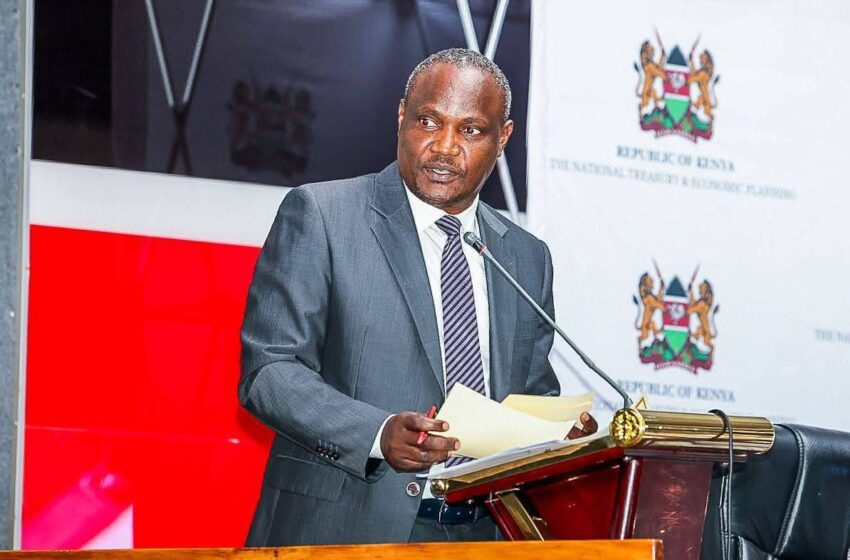
Kenya faces a major fiscal turning point with the proposed restructuring of direct employment taxes. National Treasury Cabinet Secretary John Mbadi recently clarified the state’s position regarding the anticipated revisions to worker deductions. Policy discussions will center on expanding household purchasing power while maintaining sustainable internal revenue collections.
Salaried individuals have endured severe financial pressures due to inflation and statutory deductions. Addressing these challenges requires structural changes rather than temporary adjustments. Executive leaders intend to execute these revisions systematically through standard legislative channels to ensure long-term regulatory stability.
Amending national revenue laws requires strict adherence to constitutional mandates. Citizens will have opportunities to evaluate the proposed frameworks during forthcoming public consultations. Parliamentary approval remains mandatory before employers can adjust payroll systems across the country.
Read: Top Comoros Official Hospitalized in Nairobi Amid Rising Tensions in Moroni
Strategic Allocation of Proposed Income Tax Relief

Targeting lower-income brackets serves as the primary mechanism for distributing fiscal relief. Individuals earning monthly incomes below Sh30,000 will transition to complete exemption status. Removing direct tax obligations from these vulnerable workers injects essential liquidity directly into low-income households.
Graduated relief will also extend to individuals earning up to Sh50,000 monthly. Workers in this mid-tier bracket frequently experience high tax burdens without matching social safety nets. Lowering tax percentages for middle-income earners aims to revitalize consumer spending nationwide.
Comprehensive policy reviews will evaluate high-income brackets simultaneously. Balancing tax reductions with revenue sustainability forces administrators to examine high earners carefully. Maintaining revenue streams for critical public infrastructure requires careful calibrations across all compensation bands.
| Monthly Income Bracket | Current PAYE Rate | Proposed PAYE Rate |
|---|---|---|
| Up to Sh24,000 | 10% | 0% (Tax Exempt) |
| Sh24,001 – Sh32,333 | 25% | Tax exempt up to Sh30,000 |
| Sh32,334 – Sh50,000 | 30% | 25% |
| Above Sh500,000 | 32.5% | No proposed change |
| Above Sh800,000 | 35% | No proposed change |
Alternative Financial Models Under Treasury Consideration
Banking executives have contributed contrasting perspectives to the national tax debate. Advocacy groups within the Kenya Bankers Association endorse a uniform five percentage-point reduction across all existing tax brackets. Capping maximum tax liabilities at 30 percent forms another pillar of their alternative framework.
Supporters argue that blanket reductions stimulate capital circulation much faster than localized exemptions. Increasing take-home pay immediately translates into heightened commercial transactions. Businesses experience immediate demand shocks, prompting corporate expansion and job creation.
Expanding national economic output remains the ultimate goal of uniform reductions. Private sectors could see substantial capital injections if these measures succeed. Broadening commercial activity eventually compensates for initial revenue losses by expanding alternative revenue channels.
Estimated Impact of the KBA Tax Proposal
| Measure | Estimated Impact |
|---|---|
| Money Returned to Consumers | Sh28.1 billion |
| New Formal Jobs | 36,000 annually |
| Economic Growth | Sh210 billion increase in national output |
Legislative Timelines and Statutory Progression Pathways
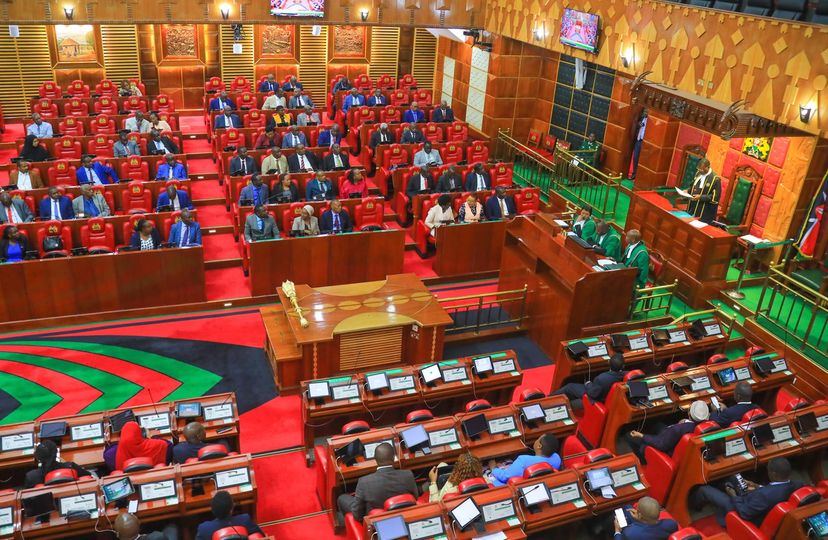
Cabinet Secretary Mbadi confirmed that executive decrees will not circumvent established rule-making procedures. Formulating a specialized Tax Amendment Bill represents the official path forward. Institutionalizing these changes ensures compliance with judicial standards and statutory requirements.
Gathering feedback from industry specialists, corporate lobbies, and labor unions constitutes the introductory phase. Public review sessions identify logistical bottlenecks before drafts reach legislators. Incorporating public sentiment strengthens civic trust and improves compliance metrics.
Lawmakers must debate, refine, and vote on the final provisions across three distinct readings. Speeding through these steps creates unnecessary vulnerability to legal challenges. Measured progression guarantees that new regulations remain legally defensible while providing genuine relief to the workforce.
Read: Ndindi Nyoro Apology Reveals Bigger Political Questions Than One Missed Vote
Speed vs Strategy: Navigating Policy Implementation Timelines
Balancing immediate relief against revenue shortfalls remains an intricate exercise for economic planners. Scrapping direct levies entirely for lower brackets initially creates a projected Sh30 billion funding deficit. Fiscal managers must identify alternative streams before executing these adjustments safely.
Broadening the tax base offers a sustainable solution to cover emerging capital deficits. Authorities are shifting focus toward informal markets and digital payment systems to capture hidden revenue. Fair distribution of the civic obligation prevents overreliance on formal sector employees.
Measured enforcement means policy implementation will move at a deliberate, calculated pace. Administrative strategies contrast with the explosive speed seen in athletics, meaning policy architects will not cross paths with high-velocity sprinters like Ferdinand Omanyala anytime soon. Gradual transitions guarantee economic equilibrium while systematically easing burdens for the Kenyan worker.