
How Brutal Acropolis Gravel Cost Adrien Fourmaux a Deserved WRC Podium

Images/ Imago
Surviving the brutal terrain of the World Rally Championship requires a delicate mix of mechanical toughness, flat-out speed, and pure luck. Even when a factory driver finds the perfect competitive rhythm, the road itself can completely alter the final results. The EKO Acropolis Rally Greece lived up to its reputation as a punishing endurance test, delivering an incredibly frustrating weekend for the Hyundai Shell Mobis World Rally Team camp.
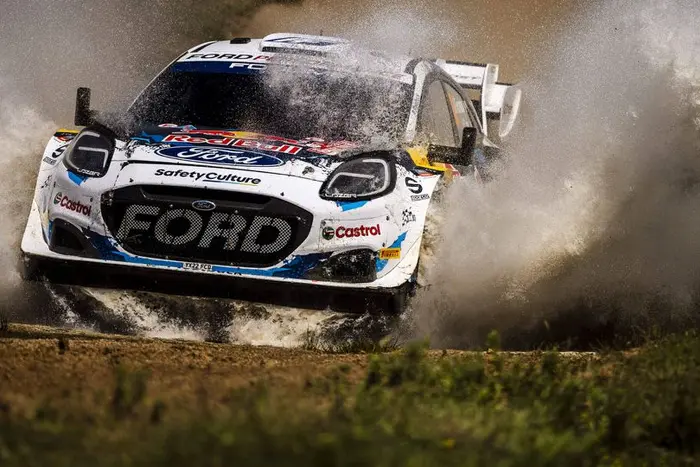
Adrien Fourmaux emerged as a true standout performer during the opening phases of the event, showcasing the raw speed of his i20 N Rally1. The French driver took control on Friday morning, capturing two stage victories and briefly surging into the overall lead. His aggressive, committed style allowed him to continuously match the fastest times at the front of the field, proving that both car and crew had the performance needed to challenge for the ultimate victory.
Read Also: Pharmacy Board Looks to Shape Future of Pharmaceutical Practice
However, the rough Greek stages quickly disrupted his rhythm. The rally became a war of attrition, repeatedly punishing his vehicle across the three-day itinerary. Fourmaux suffered his first setback with a time-consuming puncture on Friday, followed by another deflated tire on Saturday afternoon. The final leg on Sunday offered no relief, as two additional punctures further damaged his overall standing.
The ultimate setback unfolded long after the engines had stopped cooling down. Originally crossing the finish line in a hard-fought sixth place on the road, the Hyundai crew was hit with a post-rally one-minute time penalty by the FIA stewards for a seatbelt procedural breach during a mid-stage tire change.
“I just think we deserved much more than what we got in the end,” Fourmaux said.
“That’s clear. I have no words, because I know it is a lottery. I just realised that everywhere I was pushing, I had no puncture – nothing. Every time I started to have a look and be careful, bam, puncture.”
The Dilemma of Risk Management in Elite Rallying
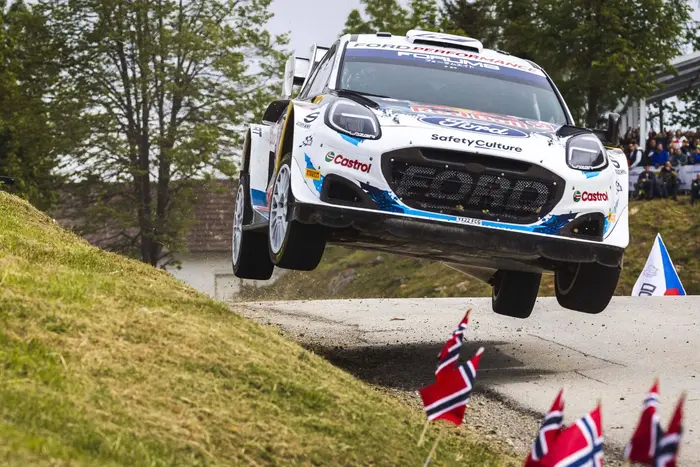
What frustrated the Frenchman the most was the strange pattern of his tire issues. Rather than suffering damage while pushing the car to its absolute limits, the punctures frequently occurred when he was actively trying to manage the severe risks of the rocky terrain. This psychological challenge complicates a driver’s decision-making process, making caution feel like an active disadvantage.
The contrast between raw speed and bad luck highlights the intense mental pressure modern WRC competitors face. When driving conservatively results in identical mechanical damage as driving flat out, the natural instinct is to simply abandon caution altogether.
Read Also: Rio Ferdinand To Open International Doors For Arusha Through AFCON 2027
Fourmaux admitted that the unexpected setbacks left him questioning his entire approach to rough gravel events, wondering if a continuous maximum-attack strategy might yield better results.
| Rally Segment | Competitive Pace | Mechanical Incidents | Final Placement Impact |
| Friday Loop | Two Stage Wins / Overall Lead | Front-Right Puncture (Stiri) | Dropped to Fourth |
| Saturday Leg | Maintained Podium Contention | Mid-Afternoon Tire Damage | Lost Crucial Touch with Leaders |
| Sunday Leg | High-Tempo Super Sunday Push | Two Final-Leg Punctures | Finished Sixth on Road |
| Post-Rally | Procedural Review | 60-Second Stewards Penalty | Classified Seventh Overall |
Despite the obvious disappointment of the final classifications, the underlying speed shown by Fourmaux and his co-driver Alexandre Coria remains a highly positive takeaway. The ability to lead from the front proves that the technical improvements made to the vehicle are working. The challenge now is translating that obvious speed into clean, uninterrupted race weekends that yield maximum championship points.
Shifting Focus to High-Speed Northern Horizons
The world championship now moves away from the rough endurance tests of southern Europe toward the blisteringly fast, smooth paths of northern Europe. Upcoming stops in Estonia and Finland require a completely different approach, traded out rocky gravel management for precise high-speed commitments over massive crests and jumps. These upcoming events offer the perfect playground for a driver looking to put tire lottery frustrations firmly behind them.
Starting positions will play a massive role in the final outcomes on these high-speed paths. Last year’s running proved that road sweeping and emerging loose stones on the second passes require flawless execution right from the opening super special. The team knows that any small hesitation or procedural mistake will be instantly exploited by an incredibly tight field of rivals.
The road to championship recovery requires immediate focus and maximum commitment from the very first corner. The speed is clearly there; the task now is turning that undeniable pace into a clean, podium-securing performance.