
Parliament Steps Up Scrutiny on Internet Metering Bill as Privacy Alarms Rise Over Mass Data Tracking

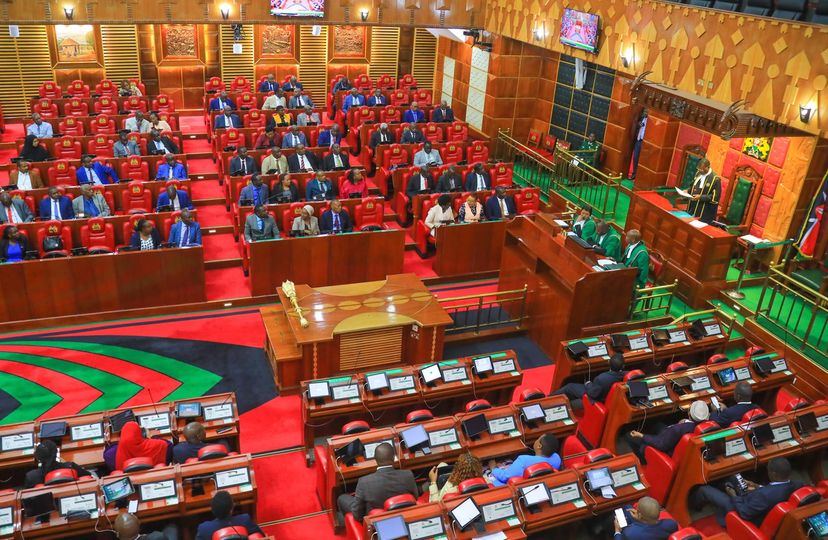
The Parliament of Kenya has formally initiated discussions on a controversial legislative proposal that could fundamentally alter how citizens access and pay for the digital world.
The radical shift has just taken a massive step forward in the National Assembly, sparking an intense national debate regarding digital rights and economic fairness.
The Kenya Information and Communications (Amendment) Bill, 2025, sponsored by Aldai MP Marianne Kitany, was published back in March 2025 but only had its First Reading on July 1, 2026.
A day later, on July 2, the Bill was committed to the Departmental Committee on Communication, Information and Innovation, which has now begun scrutinizing it. That gap of well over a year between publication and First Reading is fairly typical for Private Member’s Bills, but the Bill is now in its most active phase, the point where public and stakeholder input can still shape or stall it.
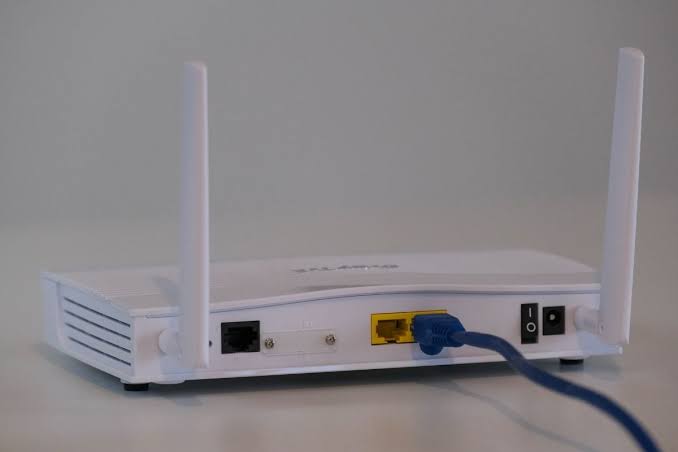
The legislative proposal fundamentally alters the relationship between citizens and their internet service providers (ISPs). At the center of the proposal is a plan to assign every internet subscriber a unique internet meter number. ISPs would use this number to track how much data each person uses in real time, then submit annual usage records to the Communications Authority of Kenya.
Consumer Fairness Claim Versus Mass Surveillance Concerns

On paper, the goal sounds reasonable. The Bill’s backers argue it will make internet billing fairer, the same way electricity and water are billed. Instead of paying a flat monthly fee regardless of how much data you actually use, you would pay based on consumption. Light users could see their bills drop. Heavy users, including remote workers, students, gamers, and anyone running multiple streaming devices at home, would likely pay a lot more.
Human rights defenders and legal experts view this legislative push with deep skepticism. That is where the concerns start. ICJ Kenya has described the Bill as a Trojan horse for mass surveillance. The unique meter number is what could raise a few eyebrows when it comes to privacy. Currently, your IP address changes from time to time, which makes it harder to build a permanent profile of your online activity.
A fixed meter number works like a subscriber identity number in mobile networks, creating a static, permanent link between you and everything you do online. Combine that with real-time tracking and annual reporting to a government authority, and you have the building blocks of a system that can map exactly how, when, and how much any Kenyan uses the internet.
The Bill does not spell out how this data would be stored, secured, or accessed once it reaches the Communications Authority. That omission has become a red flag for digital rights groups, especially given how the Data Protection Act, 2019, is supposed to govern exactly this kind of sensitive information.
Technical Wrinkles and Threat to Unlimited Home Fiber
There is also a technical wrinkle. Accurately metering usage, especially for zero-rated services, often requires Deep Packet Inspection, a method that lets ISPs peek into the actual content of data traffic, not just the volume. That capability, once built for billing, does not disappear. It can just as easily be repurposed for monitoring.
Beyond privacy, there is an economic angle. Metered billing could kill off the unlimited fiber packages many Kenyan households and businesses have come to rely on.
Critics also point out that once ISP infrastructure is in place, the actual cost of delivering extra data is close to zero, which raises questions about whether usage-based pricing is really about fairness or about squeezing more revenue out of subscribers.
READ: Top 7 Most Popular Celebrities in Kenya (2026 Updated List)
Kenya having previously used internet shutdowns and surveillance during periods of political tension, the timing and design of this Bill are important. In the end, a law meant to protect consumers and a law that enables mass data collection can look exactly the same on paper.
Next Steps in Parliament and Public Participation Windows
Now that the bill is before the Departmental Committee on Communication, Information and Innovation, the next move belongs to the public.
The committee is required to gather views from stakeholders, including ISPs, consumer groups, and civil society organizations such as ICJ Kenya, before compiling a report for the National Assembly. That report will recommend whether the Bill proceeds unchanged, gets amended, or gets thrown out altogether.
If it clears this stage, the Bill goes to a Second Reading, where MPs debate the idea behind it on the floor of the House, before moving to the Committee of the Whole House for line-by-line amendments. Only after a Third Reading and Presidential assent would it become law.