
KDF Opens Elite Military Leadership Course to Prepare Officers for Emerging Security Challenges
- Education
Stephen Thumbi
- July 16, 2026
- 0
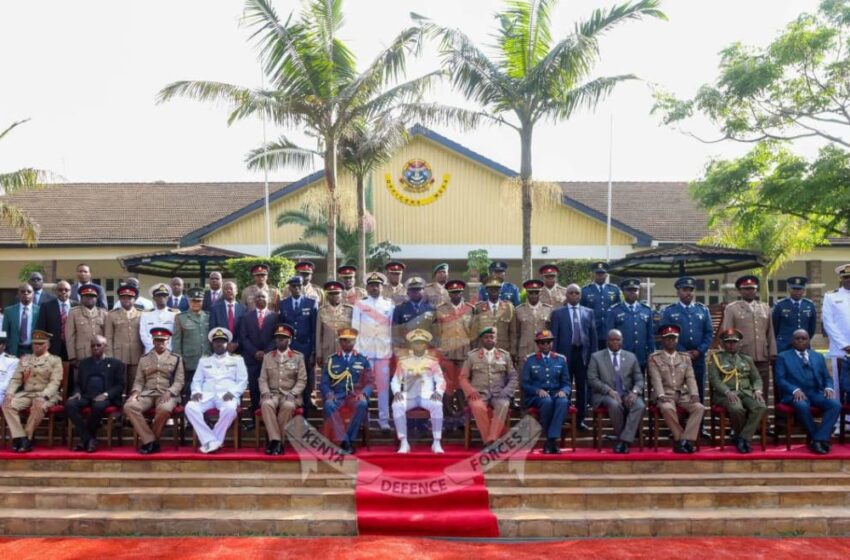
Kenya has stepped up efforts to prepare senior military officers for an increasingly unpredictable security landscape through an advanced command and staff programme that brings together participants from 20 countries.
The Joint Command and Staff College (JCSC) officially launched the Senior Joint Command and Staff Course No. 42 of 2026/27 on July 13, ushering in months of intensive training aimed at sharpening leadership, intelligence analysis and operational planning among senior officers.
Ninety-five officers are enrolled in the programme, including 68 from the Kenya Defence Forces (KDF) and 27 drawn from allied militaries across Africa, Europe and Asia. The course is designed to strengthen command capabilities while promoting closer military cooperation among partner nations confronting shared security challenges.
“The complexity of contemporary military operations demands officers who can interpret rapidly evolving security environments, transform intelligence into operational advantage and support commanders with sound, timely and informed advice. Professional military education therefore remains central to developing strategic thinkers and competent staff officers capable of linking intelligence, planning and command decisions to mission success,” part of the statement by KDF reads.
Military Leaders Sharpen Command Skills
Commander Kenya Navy Major General Paul Otieno presided over the opening ceremony after receiving a guard of honour at the college, where he was welcomed by Commandant Major General Eric Kinuthia.
Participants have travelled from Botswana, Burkina Faso, Burundi, Eswatini, Ethiopia, France, The Gambia, India, Malawi, Morocco, Namibia, Rwanda, Sierra Leone, Somalia, South Africa, South Sudan, Tanzania, Uganda, Zambia and Zimbabwe.
The diverse mix of officers is expected to enrich classroom discussions through the sharing of operational experiences from different theatres of deployment. Military planners believe such interactions help officers understand how different armed forces respond to evolving threats while strengthening professional relationships that often prove valuable during multinational operations.
Major General Otieno reminded participants that intelligence remains at the heart of effective military command, particularly at a time when security threats continue to evolve rapidly across the region and beyond.
“Well-trained officers are critical to anticipating threats, informing operational planning and enabling mission success,” Major General Otieno said.
He urged the officers to approach the course with discipline, professionalism and intellectual curiosity, noting that successful military leaders never stop learning. He also encouraged participants to take advantage of the diverse knowledge and experience represented in the class, saying collaboration strengthens military effectiveness and regional security.
Preparing Officers for Modern Security Challenges
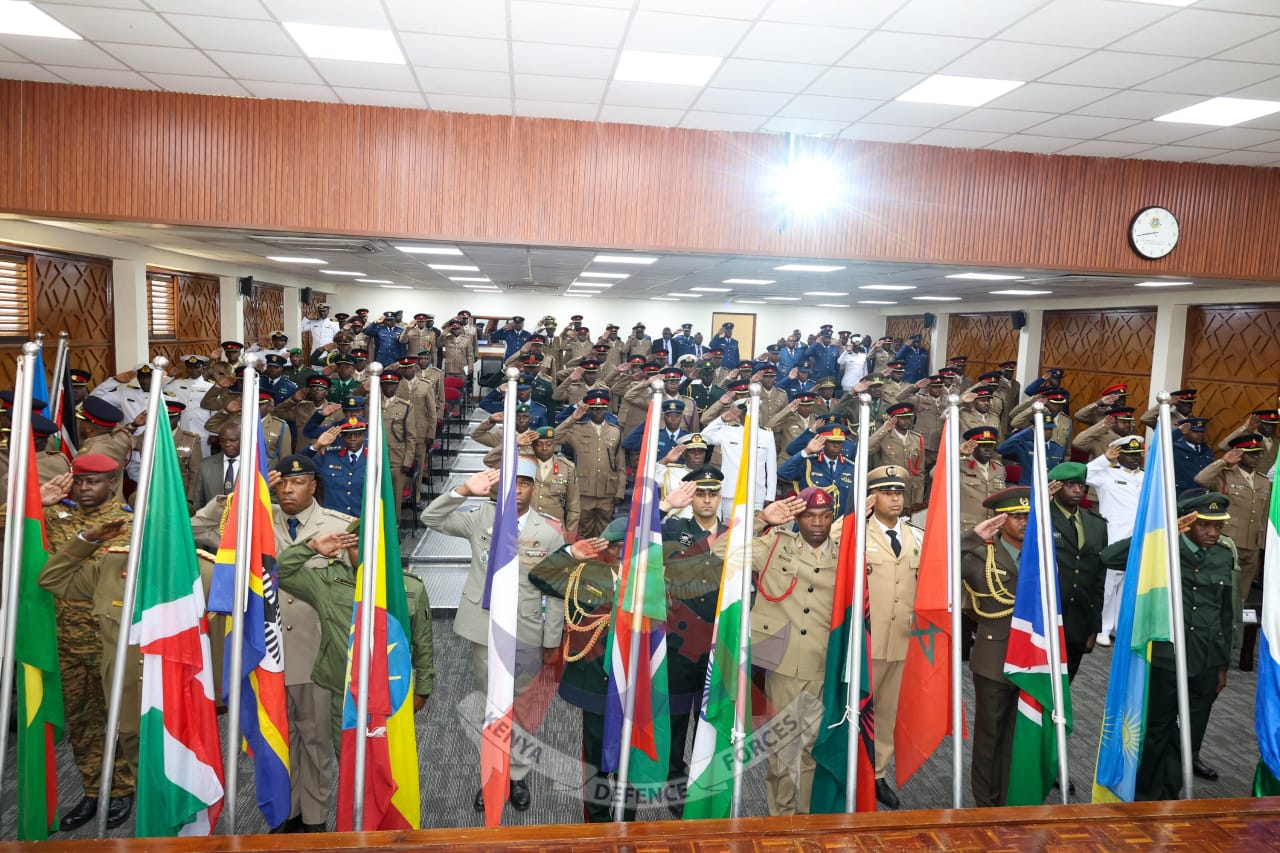
Commandant Major General Eric Kinuthia said the college remains committed to delivering high-quality professional military education that equips officers with the analytical skills needed to tackle contemporary and emerging security threats.
His remarks reflect the growing demands placed on today’s military leaders, who must make critical decisions in environments shaped by terrorism, cyber threats, transnational crime and humanitarian crises alongside conventional military operations.
Unlike traditional battlefields, modern operations require commanders to process intelligence quickly, coordinate with multiple agencies and work seamlessly with allied forces operating under different doctrines and command structures.
The Senior Joint Command and Staff Course seeks to prepare officers for those realities by strengthening their ability to translate intelligence into operational decisions while improving strategic planning and leadership.
Building Stronger Defence Partnerships
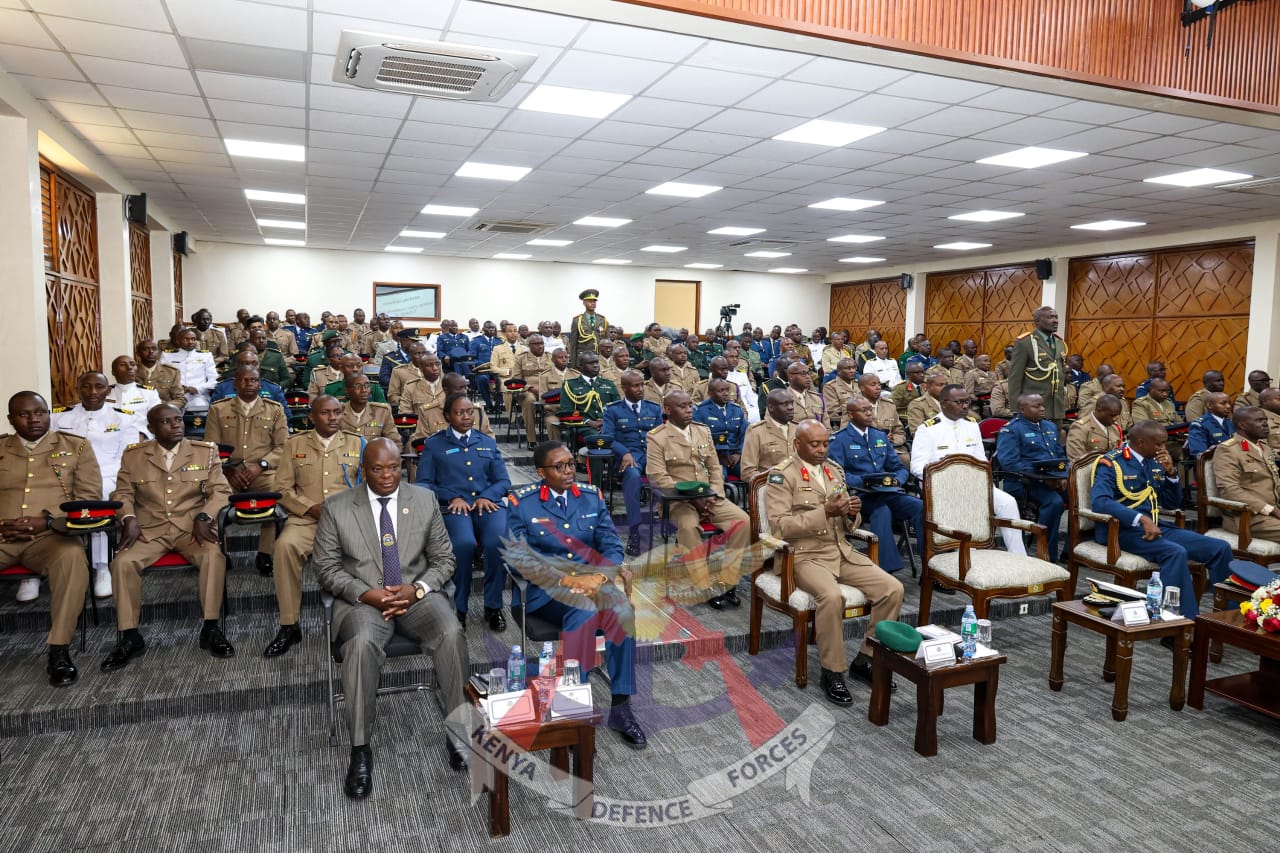
Professional military education has increasingly become a tool for strengthening defence diplomacy alongside developing military leadership.
Officers attending the programme will spend months learning together, exchanging experiences and building networks that often extend well beyond the classroom. Those relationships are expected to enhance cooperation during future peace support missions, regional security operations and multinational exercises.
Kenya has continued to position the Joint Command and Staff College as a regional centre of excellence for senior military education, attracting officers from across the continent and beyond.
The latest intake reflects that growing reputation, bringing together military professionals with varied operational backgrounds but a shared goal of improving leadership and decision-making in increasingly complex security environments.
Completion of the programme will mark more than an academic achievement for the 95 participants. It will prepare them for higher command responsibilities while strengthening the operational readiness of their respective armed forces and reinforcing military cooperation among partner nations.

