Inside Patrice Motsepe’s Vision for an African FIFA World Cup Victory

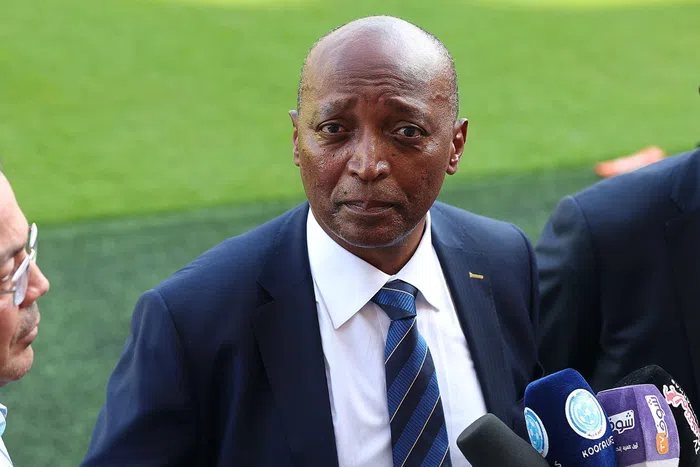
CAF President Dr Patrice Motsepe believes African football has reached another major milestone after a record-breaking FIFA World Cup 2026 campaign that saw nine of the continent’s 10 representatives advance beyond the group stage.
Speaking after the tournament, Motsepe praised the performances of Africa’s national teams, saying the results reflected years of investment in football development while reinforcing his belief that an African nation can eventually lift the FIFA World Cup trophy.
Africa was represented at the expanded 48-team tournament by Algeria, Cabo Verde, Côte d’Ivoire, Democratic Republic of Congo, Egypt, Ghana, Morocco, Senegal, South Africa and Tunisia. Nine of those teams reached the Round of 32, marking the highest qualification rate in the continent’s World Cup history.
PAY ATTENTION: Follow Kenya Frontline WhatsApp channel for more news
The achievement represented a significant step forward for African football. Although African nations made up just 20.8 per cent of the teams at the tournament, they accounted for 28.1 per cent of those progressing to the knockout stage, finishing behind only UEFA in terms of qualification success.
Read Also: Kenyan marathoner remanded over Ksh8 million land fraud case
Momentum from the World Cup has also strengthened CAF’s determination to invest more in coaching, youth football, women’s football and infrastructure as the governing body looks ahead to the 2030 FIFA World Cup and future continental competitions.
“Significant progress and successes were achieved by the African National Teams at the FIFA World Cup 2026 and I am very proud of their performances. The 9 African National Teams that qualified from the Group Stage to the Round of 32 made history at the FIFA World Cup 2026, as this is 90% of the African National Teams that participated, and is the highest percentage to qualify to date.
“The previous percentages of the African National Teams to qualify to the Knockout Stage were; 40% in 2022, none in 2018 and 40% in 2014. We have also identified specific areas where there is room for improvement and I am confident that the coaches, technical teams and players will implement the necessary improvements.
“This will ensure even greater successes for African National Teams in future FIFA World Cups. CAF will be hosting a conference and will invite the National Team coaches, technical teams, former African National team players and other football experts and stakeholders to evaluate and assess the performances of the African National Teams at the FIFA World Cup 2026, with the objective of making recommendations that will ensure that the African National Teams will be even more successful at the FIFA World Cup 2030.”
CAF targets greater success after historic campaign
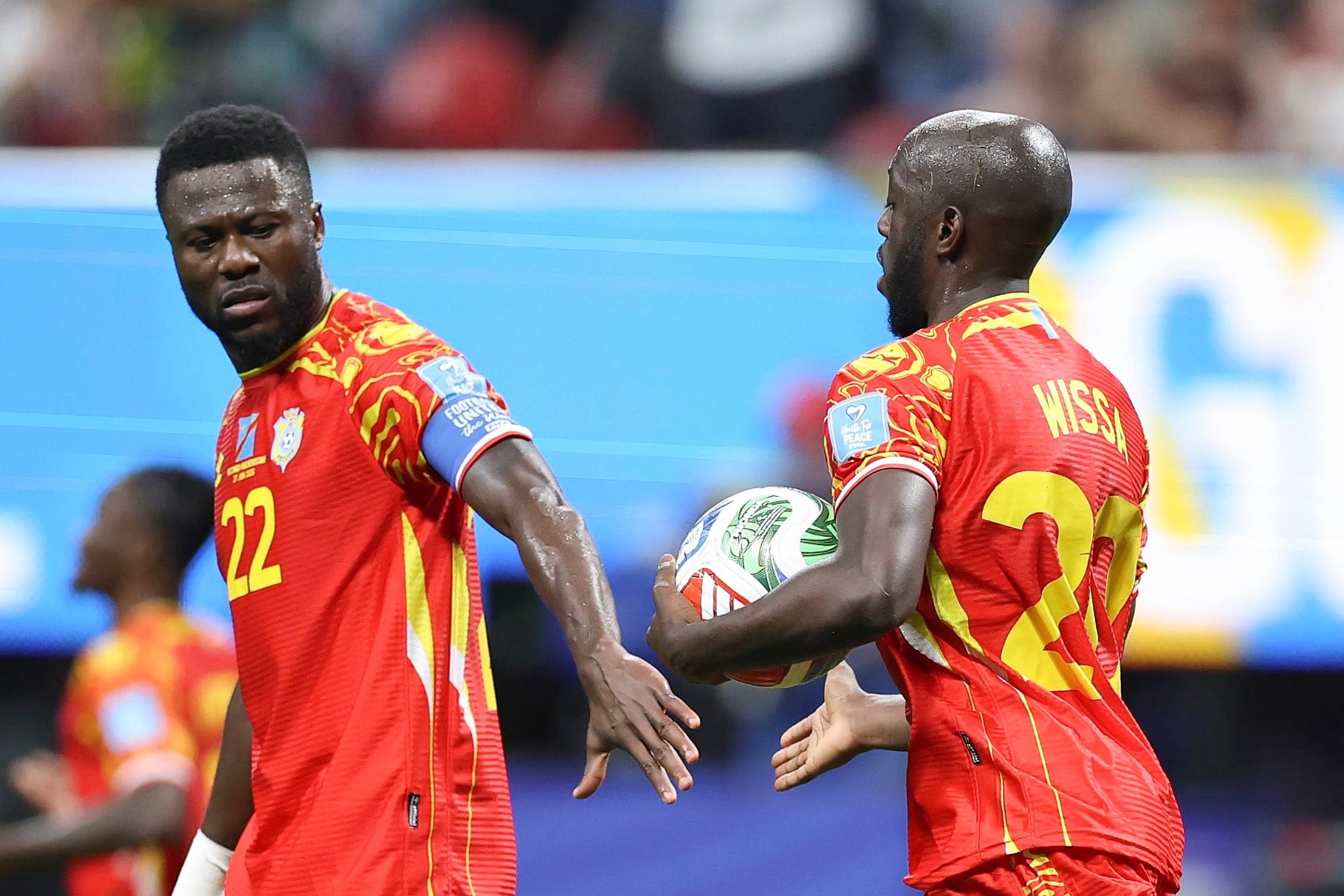
Morocco once again led Africa’s charge by reaching the quarter-finals for the second consecutive FIFA World Cup, underlining the country’s emergence as one of the strongest football nations outside Europe and South America.
Egypt also progressed to the Round of 16, while Cabo Verde, Senegal, Côte d’Ivoire, Democratic Republic of Congo, South Africa, Ghana and Tunisia all delivered performances that enhanced Africa’s reputation on the global stage.
Read Also: Top Comoros Official Hospitalized in Nairobi Amid Rising Tensions in Moroni
Success achieved in 2026 has convinced CAF that sustained investment rather than short-term planning remains the key to producing even stronger national teams.
Motsepe said the governing body would organise a technical conference bringing together national team coaches, former players, football experts and other stakeholders to analyse Africa’s World Cup campaign and identify areas requiring improvement before the 2030 tournament.
Growing young talent across the continent also remains central to CAF’s long-term vision.
“We will continue to train and invest in our boys and girls football players, amateur football, professional Football Leagues and our National Teams in each of the 54 African countries to make African Football globally competitive and amongst the best in the world.
“CAF is increasing its funding for the training of coaches at all levels and will be conducting numerous coaching training courses in each of the 6 CAF Regions or Zones on the African Continent. CAF is also focusing on increasing the quality and competitiveness of the CAF African Schools Football Championship as this is an important platform and initiative for the development and growth of African Youth Football.
“We will also strengthen and expand the partnerships between our Member Associations and the Governments and the private sector to develop, support, sponsor and grow football in each of the 54 African countries. These partnerships are also important for building, upgrading and maintaining football infrastructure and facilities in each of our Member Association Countries.
“Every National Team and Football Club must play its matches in their country and in front of their local supporters and fans. It is essential that in each of our 54 Member Association Countries there is a stadium that is at the requisite CAF and FIFA level.
“CAF is making enormous progress in developing and growing men and women football in Africa and making it amongst the best in the world. We remain confident that an African nation will be Champions of the FIFA World Cup.”
CAF believes improved coaching standards, stronger domestic leagues and better football infrastructure will help narrow the gap between African nations and traditional global powerhouses over the coming years.
Women’s football and AFCON preparations receive major boost
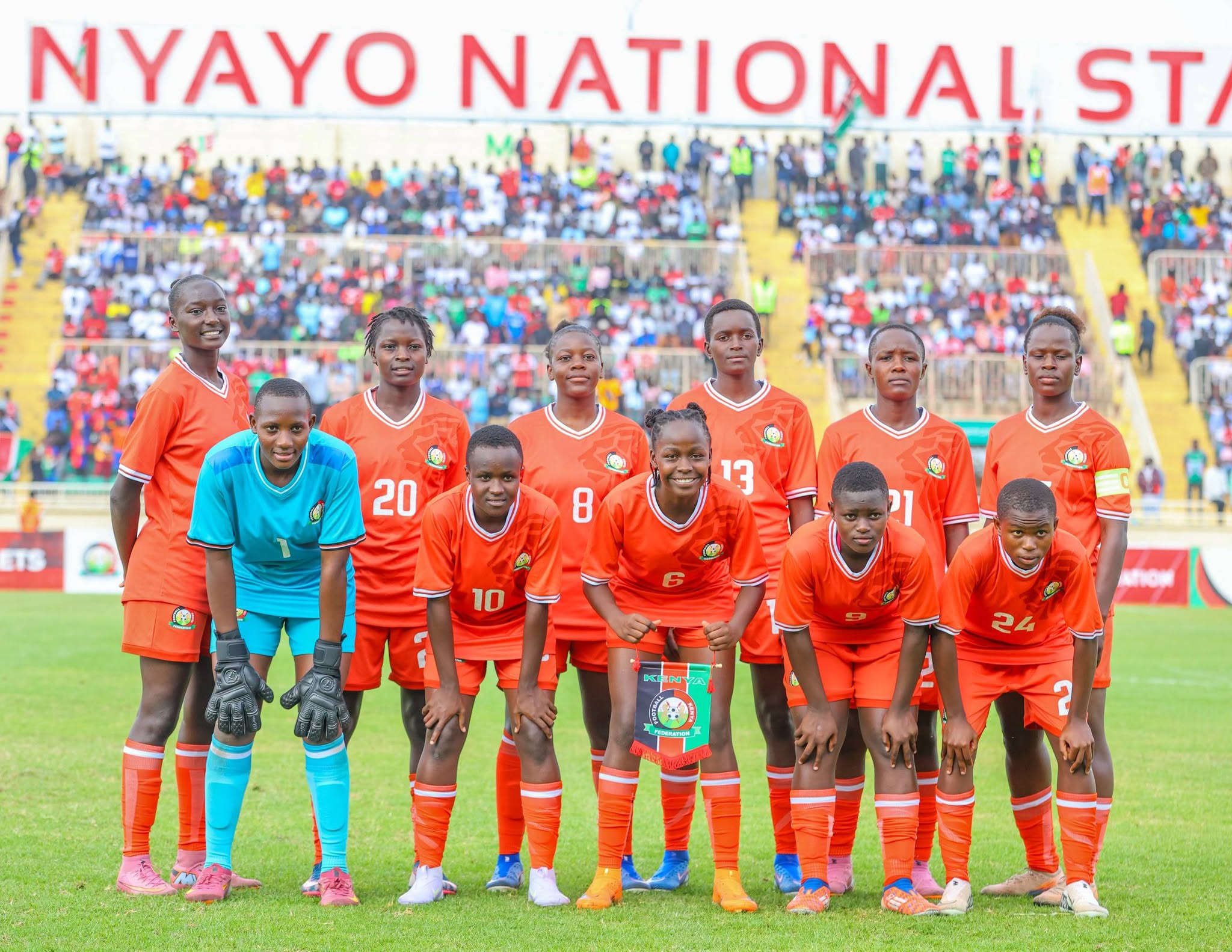
CAF also announced a substantial increase in prize money for the Women’s Africa Cup of Nations as part of wider efforts to accelerate the growth of women’s football across the continent.
Prize money for the tournament winners has doubled to USD 2 million, while the overall prize fund has risen by 67 per cent from USD 3.475 million to USD 5.8 million.
Runner-up prize money has increased by 50 per cent to USD 750,000, while the third-placed team will also receive a significantly larger reward. Every one of the 16 participating national teams will earn USD 150,000 in participation funding, representing a 20 per cent increase from the previous edition.
CAF noted that since the current leadership took office, prize money for the tournament winners has increased by 900 per cent, while the overall prize fund has grown by 495 per cent. Participation has also expanded from eight teams to 16, reflecting the rapid growth of women’s football in Africa.
Attention is also turning to the 2027 Africa Cup of Nations, which will be jointly hosted by Kenya, Uganda and Tanzania.
CAF said preparations for the tournament are progressing well, with the three governments working closely with the continental body to ensure stadiums, training grounds, accommodation, transport systems, medical services, broadcasting infrastructure and security arrangements meet international standards.
Read Also: Pharmacy Board Looks to Shape Future of Pharmaceutical Practice
Hosting rights for the 2028, 2032 and 2036 Africa Cup of Nations have also attracted significant interest, according to CAF, with several member associations already submitting bids.
Commercial preparations for those tournaments are equally gathering momentum after CAF launched a new invitation to tender for commercial rights covering the 2028, 2032 and 2036 editions.
Strong commercial partnerships are expected to generate additional revenue that can be reinvested into football development programmes across CAF’s 54 member associations.
CAF also confirmed that its 48th Ordinary General Assembly will be held in Abuja, Nigeria, on November 21, 2026, bringing together football leaders from across the continent to discuss the future of African football.
Record-breaking performances at the FIFA World Cup, increased investment in women’s football, expanded coaching programmes and preparations for future AFCON tournaments all point to a governing body determined to build on Africa’s growing influence in world football.