
Why fewer mothers are dying as maternity care faces new strain

IMAGE/UNFPA
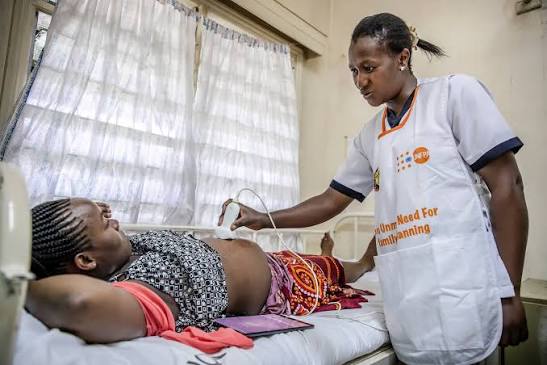
Birth complications claimed fewer lives across Kenya in the 2025/2026 financial year offering fresh hope in the country’s long-running battle to reduce preventable maternal and newborn deaths.
A new State of Devolution report by the Council of Governors shows maternal deaths fell by 6.8 per cent during the year, dropping from 2,851 in 2024/2025 to 2,656.
Neonatal deaths also recorded a significant decline, falling from 6,909 to 5,777 among babies aged between zero and 28 days. Teenage pregnancies declined by nearly 20 per cent nationwide, pointing to progress in reproductive health interventions.
“This reflects progress in reproductive and maternal health interventions by county governments,” said Wajir Governor Ahmed Abdullahi Jiir, who chairs the Council of Governors.
PAY ATTENTION: Follow Kenya Frontline WhatsApp channel for more news.
Counties strengthen death surveillance
The gains have partly been linked to the expanded rollout of the Maternal and Perinatal Death Surveillance and Response system, commonly known as MPDSR.
The World Health Organization describes MPDSR as a quality improvement intervention designed to identify, notify, quantify and determine the causes and preventability of maternal and neonatal deaths and stillbirths, while guiding measures to prevent future deaths.
Unlike the previous financial year, when only 34 counties had active MPDSR initiatives, all 47 counties are now monitoring maternal and neonatal deaths weekly and conducting debriefs to identify gaps in care.
Counties such as Kiambu, Makueni, Homa Bay, Murang’a, Machakos and Kirinyaga reported prolonged periods without maternal deaths during the period under review, according to Governor Abdullahi.
“We now reaffirm our commitment to strengthening maternal and newborn healthcare and ensuring that preventable maternal and child deaths continue to decline,” he said.
The national government has also intensified its response through the Every Woman, Every Newborn initiative, launched by President William Ruto in May. The initiative is based on a global framework adopted by the World Health Organization, UNICEF and UNFPA to reduce preventable maternal and newborn deaths.
Kenya has set an ambitious target of reducing maternal deaths to fewer than 140 per 100,000 live births and neonatal deaths to 12 per 1,000 live births by 2028. A five-year, Sh10 billion health financing agreement with the Beginning Fund is expected to support efforts towards achieving the targets.
Yet behind the encouraging mortality figures lies another worrying trend. The report shows that some critical maternal health services declined during the same period, raising questions about whether the progress can be sustained.
Skilled birth deliveries dropped by 23 per cent, from 709,281 to 543,237, while attendance at the fourth antenatal care visit fell by 19 per cent, from 459,489 to 368,585.
Governor Abdullahi attributed the decline to changes in how maternity services are delivered and reduced access to maternal healthcare at primary facilities.
SHA transition raises concerns
In Makueni, health officials offered a more direct explanation, linking the decline to the transition from the Linda Mama programme to the Social Health Authority.
Dr Harvey Mbithi, Makueni County’s chief officer for Health, Human Resources Management, and Administration, said the changes have affected the willingness of some expectant mothers to seek care at hospitals.
“We used to provide Linda Mama. All our mothers were delivering in our hospitals, and we encouraged them to do so. Now, they must be registered under SHA for them to deliver, or they pay out of pocket,” Dr Mbithi explained.
The shift, he said, has left some women reluctant to visit health facilities because they fear incurring costs if they are not registered under SHA.
“The registration should have been phased. We should have staggered it so that we allow that part of Linda Mama to proceed, even if we call it a different name. It encouraged all our mothers to deliver in hospitals,” he added.
Dr Mbithi warned that some women have instead turned to Traditional Birth Attendants, who generally charge less than hospitals. The trend could undermine efforts to increase skilled attendance during childbirth and encourage mothers to attend antenatal clinics.
“They still need to be registered under SHA,” he said. “Our plan was to encourage mothers to come to hospital through Linda Mama, and we used to give them a package. When they could go home with those packages, other pregnant mothers were encouraged to go to hospital. We were almost getting to success.”
The concern comes at a delicate moment for Kenya’s maternal health strategy. While fewer mothers and newborns are dying, declining skilled deliveries and antenatal visits could threaten future progress if women continue avoiding health facilities.
Dr Mbithi believes the transition could have been handled differently to protect access to maternity services.
“We should have carried Linda Mama the way it was, and then register the mothers when they come to deliver. Word went out that we have begun charging for deliveries. We should not have stopped everything that NHIF was doing. We could have borrowed good practice.”
Kenya’s challenge now is to ensure that the decline in deaths is matched by stronger access to quality maternity care. The figures offer evidence that county surveillance and reproductive health interventions are producing results, but the fall in hospital deliveries and antenatal attendance signals that more work is needed.