
Risks hidden in fake Postinor-2 packs exposed

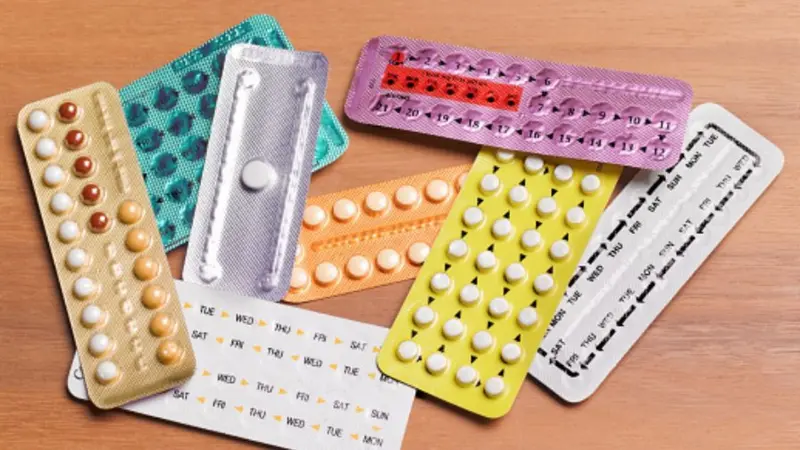
Sometimes, a medicine bought from what appears to be a trusted source can carry risks that are not immediately visible to the person taking it. That concern has emerged again in Kenya after the Pharmacy and Poisons Board (PPB) identified a counterfeit batch of Postinor-2 emergency contraceptive pills in circulation.
The regulator has identified the suspected falsified product as Postinor-2 containing 0.75 mg of levonorgestrel and bearing batch number T34197R. The packaging falsely claims that the medicine was manufactured by Gedeon Richter.
The warning comes at a time when emergency contraceptive pills remain an important option for women seeking to prevent an unintended pregnancy after unprotected sex or contraceptive failure. A counterfeit product can therefore create a particularly serious problem if a user assumes the medicine is genuine.
“This batch may contain incorrect amounts of the active ingredient, no active ingredient at all, harmful contaminants, or undeclared substances,” said Dr Ahmed Mohamed, Chief Executive Officer of the PPB.
PAY ATTENTION: Follow Kenya Frontline WhatsApp channel for more news
The regulator has warned that the falsified product may fail to work, meaning a woman who takes it could wrongly believe she has received effective emergency contraception. The concern is not simply about whether the tablet looks different, but whether its contents can be trusted.
The clues that could expose the fake packs
The PPB has identified several differences between the falsified Postinor-2 and genuine products supplied by Gedeon Richter.
Some of the differences can be found on the packaging itself. The regulator has noted variations in batch printing and typographical errors in the patient information leaflet, features that may provide useful clues when comparing a suspected pack with a genuine one.
The method used to seal the carton is also different. Genuine Gedeon Richter packs use a hot-melt closure, while the counterfeit pack does not use the same method.
The colour of the packaging provides another visible distinction. According to the PPB, the orange colour used for the Postinor-2 brand name and other sections of the packaging is significantly more intense on the falsified product than on genuine packs.
Another difference can be seen after scratching the authentication panel. The logo revealed on the suspected counterfeit uses a different font from the one appearing on genuine packaging.
The differences may appear minor to an ordinary buyer, particularly when purchasing medicine in a hurry. Taken together, however, the PPB said they strongly indicate that batch T34197R is falsified.
The regulator has stated that the batch was not manufactured or released by Gedeon Richter.
That distinction matters because counterfeit medicine cannot be assessed simply by looking at the brand name printed on its packaging. A product that appears familiar may still contain an incorrect quantity of the intended active ingredient, no active ingredient or substances that were never declared on the label.
Emergency contraception adds another layer of concern. Postinor-2 is taken when a woman is trying to reduce the likelihood of pregnancy after a contraceptive failure or unprotected sexual intercourse. Its intended use is therefore linked to a situation where timing can be important.
Someone who unknowingly takes a falsified product may assume the medicine has provided the expected protection and may not realise that the product itself is the problem.
The PPB has consequently advised healthcare professionals to verify the authenticity of their stocks before dispensing medicines. Suspected falsified products should be quarantined to prevent them from reaching other patients.
Hospitals, distributors, pharmacists and pharmaceutical technologists have also been urged to report any encounter with the affected batch.
Fake medicines raise wider concerns
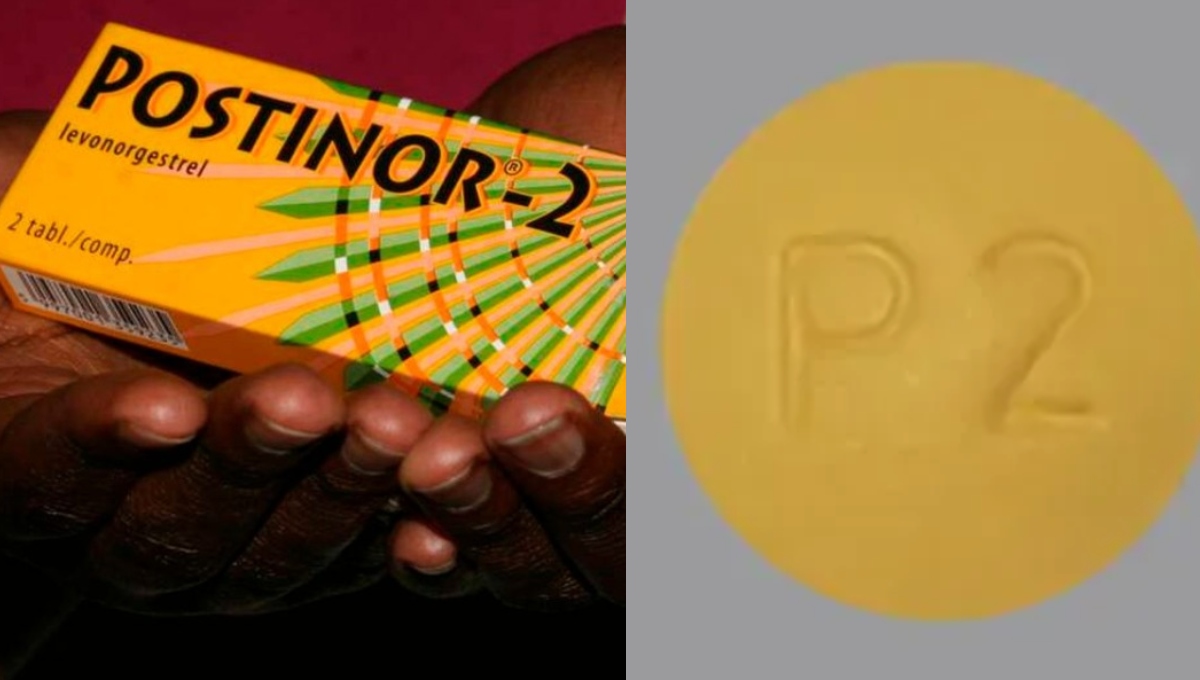
The Postinor-2 alert comes against a wider backdrop of concern over counterfeit and falsified healthcare products in Kenya.
Emergency contraceptive pills have previously attracted public attention in connection with suspected counterfeits. Tharaka Nithi Governor Muthomi Njuki had raised concerns about fake P2 pills and warned about the potential consequences for women who depend on emergency contraception.
Njuki also expressed concern over falsified HIV testing kits, highlighting how counterfeit healthcare products can affect patients beyond medicines alone.
Such cases place renewed focus on the pharmaceutical supply chain and the importance of knowing where medical products come from before they reach consumers.
The PPB has urged people involved in the pharmaceutical supply chain to procure health products only from licensed manufacturers, importers, distributors and retailers.
Purchasing from unlicensed sources can make it harder to establish where a medicine originated, who handled it and whether it was stored and distributed through approved channels.
Consumers also have a role to play in identifying suspicious products. Unusual colours, spelling mistakes, unfamiliar packaging, differences in seals or inconsistencies in authentication features should prompt questions rather than being dismissed immediately.
The latest warning does not mean that all Postinor-2 products available in Kenya are counterfeit. The PPB’s alert specifically identifies batch T34197R as falsified.
Anyone who encounters the affected batch has been urged to report it to the regulator. Healthcare professionals and businesses handling medicines have similarly been advised to isolate suspected products rather than dispense or distribute them.
Members of the public can report suspected counterfeit medicines through the PPB’s online reporting portal, the USSD code *271#, the mPvERS mobile application or the regulator’s reporting contacts.
A suspected counterfeit product should not be passed on to another person simply because its packaging looks convincing. Reporting it can help authorities trace the product and prevent other people from being exposed to the same risk.
Women who have already taken a suspected falsified batch and are concerned about its effectiveness should seek advice from a qualified healthcare professional. Personal medical decisions should be based on professional guidance rather than assumptions about whether a suspected counterfeit tablet contained the correct ingredient.
The alert also underlines why pharmacists and other healthcare professionals remain an important point of defence against falsified medicines. Careful inspection of packaging and sourcing medicines through authorised channels can help prevent questionable products from reaching patients.
The responsibility extends across the supply chain. Manufacturers, importers, distributors, pharmacies, hospitals and other authorised outlets all have a role in ensuring that medicines entering the market are genuine and properly handled.
Consumers, meanwhile, can help by purchasing medicines through legitimate outlets and reporting products that appear suspicious.
The PPB’s identification of specific differences in the suspected Postinor-2 batch gives the public practical information to use when checking products. The details about the batch number, colour, sealing method, leaflet and authentication logo are particularly important because they allow the warning to go beyond a general alert.
The issue also demonstrates why counterfeit medicine remains a public health concern rather than simply a commercial problem. A fake product can undermine confidence in healthcare, delay appropriate treatment and expose patients to substances that have not been verified for safety or effectiveness.
Emergency contraception illustrates the stakes clearly. A woman taking the medicine expects it to perform a specific function at a critical time. If the product is falsified, that expectation may not match what the tablet actually contains.
The PPB’s warning therefore offers a broader lesson for anyone buying medicines: a familiar brand name alone should not be treated as proof of authenticity.
Batch numbers, packaging details and approved sources matter. Suspected falsified products should be reported and kept out of circulation.
Kenya’s efforts to tackle counterfeit medicines ultimately depend on vigilance across the entire system. Regulators can identify and issue alerts, healthcare professionals can inspect and quarantine suspicious products, while consumers can help by reporting what they encounter.
The Postinor-2 alert is a reminder that the danger posed by counterfeit medicine may begin before a tablet is swallowed. The packaging may look convincing, but the real question is whether the product inside is genuine, correctly manufactured and safe to use.