
Kenya Hospital Upgrade Project: Full List of 13 Counties Getting New Level 5 Hospitals

IMAGES/MOH
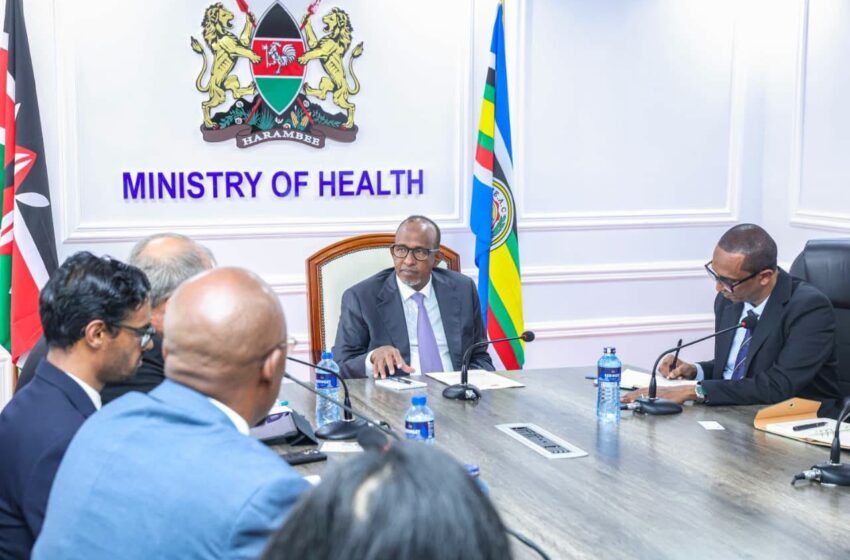
Following a high-level consultative meeting led by Health Cabinet Secretary Aden Duale, the Ministry of Health confirmed a KSh 29 billion plan to construct 13 modern Level 5 county referral hospitals.
In line with presidential directives on accelerating Universal Health Coverage (UHC), this project expands specialized healthcare capacity across Kenya. It provides modern diagnostic, emergency, and surgical infrastructure in regions that have historically relied on transfers to overstretched national Level 6 facilities like Kenyatta National Hospital (KNH) in Nairobi or Moi Teaching and Referral Hospital (MTRH) in Eldoret.
Target Counties & Regional Healthcare Impact
| Region | Beneficiary Counties | Strategic Healthcare Focus & Impact |
| Coast & Northern Frontier | Kilifi, Mandera, Marsabit, Turkana | Cuts long-distance emergency travel; delivers localized ICU, specialized surgical, and maternal care to remote and pastoralist communities. |
| Central, Eastern & Nyanza | Embu, Migori, Nyamira | Expands specialized renal, oncology, and high-dependency clinical care to relieve high-density regional health networks in Kisii, Kericho, and Kisumu. |
| Great Rift Valley Belt | Baringo, Nakuru, Bomet, Narok, Laikipia | Upgrades trauma and emergency surgical capacity along major highway corridors while bringing critical care closer to South Rift and Highland populations. |
Note: A 13th hospital location is undergoing final technical evaluation by Ministry of Health planners.
Detailed Regional Breakdown
Coast & Northern Frontier (Kilifi, Mandera, Marsabit, Turkana)
-
Kilifi County: A dedicated Level 5 facility along the coast will expand regional capacity, easing pressure on Coast General Teaching and Referral Hospital in Mombasa.
-
Mandera County: Establishing 300-bed referral capacity in Kenya’s far northeast addresses severe geographical health disparities, sparing patients a 1,000-kilometer trip to Nairobi for advanced surgeries.
-
Marsabit County: Serves as an essential medical hub for Northern Kenya, providing local diagnostic and critical care to pastoralist communities.
-
Turkana County: Upgrades healthcare access in the northwest, handling emergency trauma, specialized maternal care, and infectious disease management.
Central, Eastern & Nyanza (Embu, Migori, Nyamira)
-
Embu County: Strengthens secondary referral support in Eastern Kenya, serving as a critical backup for primary health centers across neighboring agricultural zones.
-
Migori County: Significantly enhances critical care capacity near the southwestern border, reducing emergency transfers to Kisumu or Eldoret.
-
Nyamira County: Delivers modern clinical, ICU, and renal care to Nyamira, helping de-congest busy regional hospitals in Kisii, Kericho, and the surrounding Lake Basin region.
The Great Rift Valley Belt (Baringo, Nakuru, Bomet, Narok, Laikipia)
-
Nakuru & Baringo Counties: Upgrades trauma, chronic disease management, and emergency surgical capacity along busy transport corridors in the Central Rift.
-
Narok & Bomet Counties: Expands critical care access across South Rift communities, keeping complex medical procedures close to home.
-
Laikipia County: Creates a specialized diagnostic and inpatient hub servicing Laikipia, Samburu, and surrounding highland populations.
Standard Specifications Across All 13 New Level 5 Facilities
| Hospital Facility Unit | Standard Capacity & Equipment | Primary Clinical Purpose |
| Inpatient Capacity | 300 Inpatient Beds | Expands overnight admission capacity for emergency and long-term care. |
| Intensive Care (ICU) | Minimum 16 Fully Equipped Beds | Manages life-threatening medical conditions and complex post-surgery recovery. |
| High Dependency (HDU) | Minimum 10 HDU Beds | Provides step-down care for patients requiring close monitoring. |
| Diagnostic & Imaging | Digital CT Scanners, X-Ray & Ultrasound | Speeds up accurate diagnosis without sending patients to national hubs. |
| Surgical Capacity | Multi-Theater Surgical Suites | Handles planned, specialized, and emergency operations locally. |
| Power & Engineering | Integrated Solar & Green Design | Ensures uninterrupted medical power and lowers daily operating costs. |
Selection Criteria & Broad Healthcare Network Integration
The Ministry of Health prioritized beneficiary counties using four core criteria:
-
Population Size & Disease Burden: Directing funds to counties facing rapid growth and elevated specialized care demand.
-
Infrastructure Deficits: Targeting areas where patients currently travel long distances for specialized diagnostics or surgery.
-
De-congesting National Referral Hubs: Managing complex conditions locally stops routine patient transfers to Kenyatta National Hospital (KNH) and Moi Teaching and Referral Hospital (MTRH).
-
Co-Financing Capabilities: Leveraging national budget allocations alongside public-private partnerships (PPP) and development partner financing.
This KSh 29 billion investment works in tandem with other ongoing megaprojects, such as the 2,000-bed Kiplombe Multi-Specialty Hospital in Eldoret and the planned Level 6 facility in Mombasa.
Inter-Governmental Project Responsibilities
| Government Level | Primary Responsibilities | Expected Deliverables |
| National Government (Ministry of Health) | Funding, Equipment & Design | Allocates the KSh 29B fund, procures advanced medical machinery, and sets green building standards. |
| County Governments (Beneficiary Counties) | Land, Utilities & Staffing | Provides deeded land, connects three-phase power/water, and recruits specialized health personnel. |
Frequently Asked Questions (FAQs)
What defines a Level 5 Hospital in Kenya?
A Level 5 hospital is a secondary county referral facility certified by the Kenya Medical Practitioners and Dentists Council. It offers specialized care—including intensive care (ICU), specialized surgical operations, comprehensive maternity, oncology services, and advanced imaging—and serves as a primary training hub for medical professionals.
How does this project support the Social Health Authority (SHA)?
Equipping 13 counties with specialized 300-bed facilities brings complex medical care closer to communities. This reduces out-of-pocket travel costs, accelerates emergency care, and allows seamless benefit payouts under the Social Health Authority (SHA) and SHIF frameworks.
Are these 13 hospitals public or private?
All 13 facilities are public county referral hospitals, built through national-county government collaboration and operated within the public health network.