Embu UDA Rally Chaos 2026: What Happened at Kindiki’s Meeting & What Comes Next

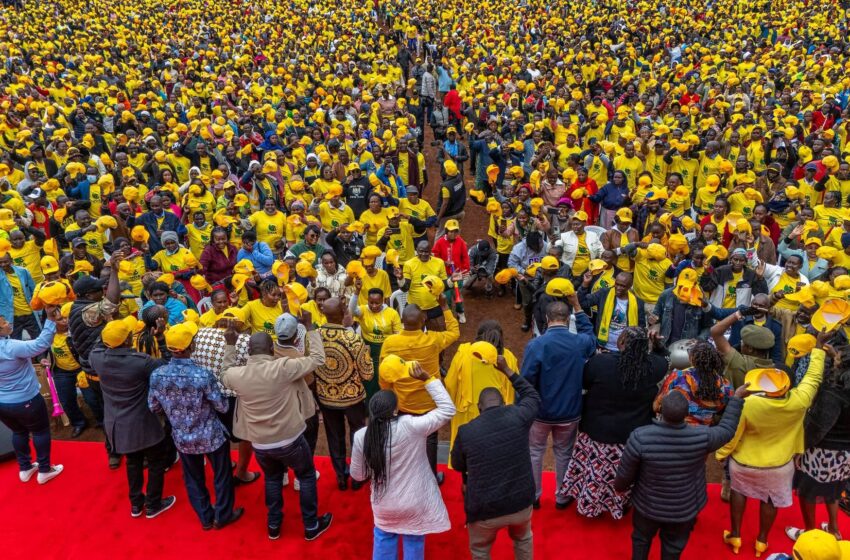
A political gathering in Embu County turned chaotic on Saturday, September 12, 2026, after clashes erupted during a United Democratic Alliance (UDA) meeting attended by Deputy President Kithure Kindiki and Embu Governor Cecily Mbarire.
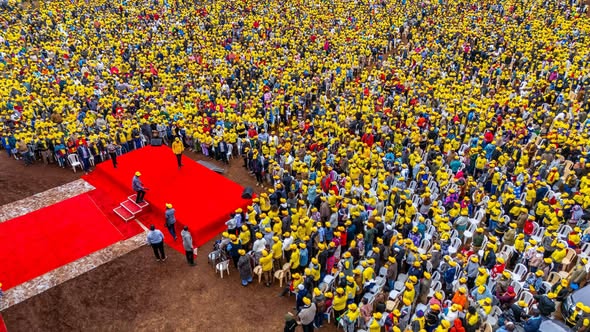
The meeting at Nembure Grounds in Manyatta Constituency had been convened as a grassroots UDA engagement, bringing together party officials and supporters from the region.
The event, however, was disrupted after groups of youths clashed around the venue, forcing security officers to deploy tear gas as they attempted to contain the situation. Several vehicles were reportedly burnt, while some people were injured during the confrontation.
Read Also: Pharmacy Board Looks to Shape Future of Pharmaceutical Practice
The incident has since triggered political accusations, calls for investigations and renewed attention on the responsibilities of organisers, political parties and security agencies during public political gatherings.
The confrontation also comes at a politically sensitive period, with parties already positioning themselves ahead of the 2027 General Election and seeking to strengthen their grassroots networks.
Kindiki, who is UDA’s Deputy Party Leader, was among senior party officials at the meeting alongside Mbarire, who serves as the party’s national chairperson. UDA’s official leadership structure lists Kindiki as First Deputy Party Leader and Mbarire as Chairperson.
How the Embu UDA meeting descended into chaos
The gathering was initially intended to focus on UDA’s grassroots organisation and engagement with party officials in Embu.
According to reports from the event, tensions developed around Nembure Stadium as groups of youths gathered outside the meeting venue. Police were subsequently forced to intervene after the situation became disorderly.
Tear gas was fired as officers sought to disperse the crowds and restore order. Reports from the scene indicated that some attendees ran for safety as the confrontation intensified.
Several vehicles were also reported to have been set ablaze.
Embu Governor Cecily Mbarire later said that nearly 10 vehicles had been burnt during the incident. She specifically mentioned the vehicle of a journalist from Runyenjes among those affected.
Mbarire also alleged that some delegates were robbed after leaving the venue and that others sought shelter in nearby homes as the clashes continued.
Her account included claims that some youths had allegedly been brought to the area with the intention of disrupting the meeting. Those claims remain allegations and would require independent investigation and evidence before responsibility can be conclusively established.
The disruption reportedly affected the meeting itself and prompted security officers to move to contain the situation.
Kindiki was subsequently reported to have condemned the incident and called for action against those responsible for political violence.
The Deputy President said UDA regretted the losses and damage arising from the disruption and urged law enforcement agencies to take action.
UDA demands investigations as political accusations emerge
The incident has quickly moved beyond a security matter and into the political arena.
UDA Secretary General Hassan Omar called for investigations into the violence, saying the party wanted those responsible for the disruption and destruction identified.
According to the party, the meeting was a legitimate gathering involving grassroots polling-centre officials and was being presided over by Kindiki and Mbarire.
UDA said it was concerned by what it described as an organised effort to disrupt the meeting and alleged that individuals associated with another political grouping were involved.
Such allegations are significant because political gatherings are protected under Kenya’s constitutional framework, but that protection does not extend to violence, destruction of property or conduct that threatens the safety of other participants.
Read Also: Top Comoros Official Hospitalized in Nairobi Amid Rising Tensions in Moroni
The incident also places renewed focus on the role of political parties in managing their supporters and ensuring that meetings remain peaceful.
The United Democratic Alliance has previously emphasised its grassroots structures and party organisation as it prepares for future political contests. Its official leadership includes President William Ruto as party leader, Kindiki as First Deputy Party Leader and Mbarire as chairperson.
The Embu incident therefore presents a challenge for the party as it seeks to project organisational strength while dealing with competing political interests in the region.
Kindiki has also said the party leadership would establish the extent of the losses before determining how to respond to those affected.
That process could help establish the scale of property damage and provide information that may assist investigators.
What the law says about political gatherings in Kenya
Kenya’s political parties and citizens have a constitutional right to participate in peaceful political activities.
Article 37 of the Constitution protects the right of every person to assemble, demonstrate, picket and present petitions peacefully and unarmed.
That right, however, operates within the country’s public-order framework.
The Public Order Act provides procedures governing public meetings and processions, including notification requirements. The regulations require organisers to notify the relevant regulating officer before a public meeting or procession.
Kenya’s courts have also addressed the balance between the constitutional right to peaceful assembly and the responsibility of authorities to prevent imminent threats to public order.
In a 2017 Court of Appeal decision, the court noted that organisers are required to notify the regulating officer and that police may intervene where there is a clear, present or imminent danger of a breach of peace or public order.
The law also places responsibilities on organisers.
An organiser or authorised representative is expected to remain present during a public meeting and assist police in maintaining peace and order. Police may issue lawful orders, including orders relating to dispersal, where circumstances meet the legal threshold.
The National Police Service also has a statutory responsibility to maintain order in public spaces and prevent unnecessary obstruction during assemblies, meetings and processions.
The legal framework therefore places responsibilities on both sides: citizens and political organisers have a duty to maintain peaceful conduct, while security agencies must exercise their powers within the law and respect constitutional rights.
Embu incident raises questions over political rivalry
The events in Nembure have also revived questions about political competition in the Mount Kenya region.
Embu remains an important political county, and UDA has invested heavily in building its grassroots structures there. Mbarire’s position as both Embu Governor and UDA national chairperson gives the county added significance in the party’s national organisation.
Kindiki’s position adds another layer to the political importance of the region.
He became UDA’s Deputy Party Leader after succeeding Rigathi Gachagua in the position in 2024. UDA said at the time that Kindiki would focus on strengthening the party, recruiting members and supporting its grassroots organisation.
Read Also: Kenyan marathoner remanded over Ksh8 million land fraud case
The Embu meeting therefore represented more than an ordinary political gathering. It was also an opportunity for the party’s national leadership to consolidate its support structures in an area that remains politically influential.
The disruption risks shifting attention from the intended political message to questions surrounding security, political mobilisation and rival groups.
Claims that opponents organised the disruption will need to be tested through investigations rather than political statements.
That distinction is particularly important in a politically charged environment where unverified allegations can quickly deepen tensions.
What happens next after the Nembure clashes?
The immediate focus is likely to remain on investigations, the extent of property damage and whether arrests or prosecutions will follow.
UDA has already called on law enforcement agencies to identify those responsible. Kindiki has similarly demanded action against people involved in political violence.
Read Also: Rio Ferdinand To Open International Doors For Arusha Through AFCON 2027
Authorities will also need to establish what happened before, during and after the confrontation.
That includes determining how the groups reached the venue, what triggered the confrontation, whether weapons were involved, who was responsible for the destruction of property and whether any individuals suffered serious injuries.
The reported burning of vehicles is particularly serious because it transforms the incident from a disagreement at a political gathering into a matter involving possible criminal offences.
Investigators will also have to consider accounts from organisers, police officers, witnesses, journalists and other people present at the venue.
A transparent investigation would help separate confirmed facts from political accusations.
The episode could also prompt political parties and security agencies to review how large meetings are planned, particularly where senior national leaders are expected to attend.
The Constitution protects political participation, but that participation can only be sustained when competing groups respect the right of others to meet peacefully.
The investigations into the Nembure incident will ultimately determine who was responsible for the violence and destruction. Until then, claims made by individual politicians or parties should be treated as allegations rather than established facts.
What is already clear, however, is that a meeting intended to demonstrate political organisation in Embu instead became a major test of party discipline, security preparedness and Kenya’s commitment to peaceful political participation.