
Kenya Extends 8% Fuel VAT Relief as Parliament Weighs Consumer Costs Against Revenue Pressures

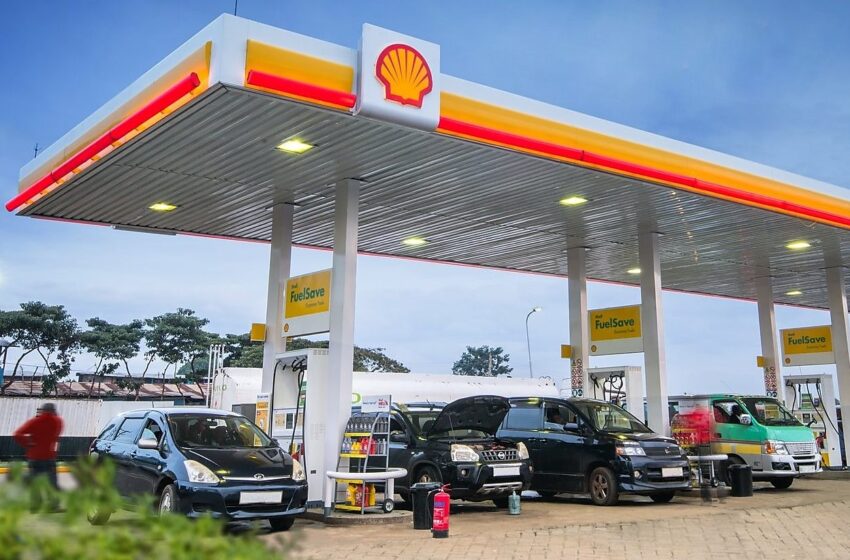
Motorists, transport operators and businesses in Kenya will continue benefiting from reduced Value Added Tax (VAT) on petroleum products following Parliament’s approval of legislation extending the temporary tax relief. The decision keeps the rate at 8 per cent instead of allowing it to return to the standard 16 per cent, offering consumers additional protection against fluctuations in international oil prices.
The latest intervention came through the Tax Laws (Amendment) Bill, 2026, National Assembly Bill No. 65 of 2026. The National Assembly passed the measure in October after the earlier reduction introduced through the Value Added Tax (Amendment) Bill, 2026, National Assembly Bill No. 21 of 2026, reached the end of its initial relief period and subsequent extension.
President William Ruto assented to the October legislation on October 16, 2026, according to parliamentary and media reports. The new measure provides for a further 90-day period of reduced VAT, with the Cabinet Secretary responsible for the National Treasury empowered to extend the relief for another 90 days through the mechanism provided in the law.
Read Also: Pharmacy Board Looks to Shape Future of Pharmaceutical Practice
“Statutory tax caps on petroleum products protect consumer purchasing power,” stated a Nairobi-based tax policy and public finance practitioner. “Capping VAT rates requires balancing short-term cost-of-living interventions with long-term fiscal deficit targets.”
How Parliament extended the petroleum VAT relief
The original Value Added Tax (Amendment) Bill, 2026, was introduced to reduce VAT on specified petroleum products from 16 per cent to 8 per cent. Parliament passed the legislation in April, responding to pressure from rising fuel costs and disruptions in international petroleum markets.
The reduced rate was intended to cushion households and businesses from the effects of higher energy costs. Fuel is a major input in Kenya’s transport, agriculture, manufacturing and distribution sectors, meaning changes at the pump can influence prices across the wider economy.
The April measure was temporary. Its initial 90-day period was followed by an extension, which expired on October 14, 2026. Without another legislative intervention, the VAT rate would have reverted to the standard 16 per cent.
The National Assembly subsequently considered the Tax Laws (Amendment) Bill, 2026, sponsored by Majority Leader Kimani Ichung’wah. The new legislation sought to preserve the reduced rate for another three months, with an additional extension option if the circumstances justifying the relief persisted.
In its October 16 parliamentary announcement, the National Assembly said the extension was intended to maintain relief for consumers amid continuing instability in international oil markets.
The distinction between the two measures is important. The April legislation introduced the initial reduction, while the October amendment addressed the expiry of the earlier relief arrangement. Neither should be interpreted as establishing a permanent 8 per cent VAT rate for petroleum products.
What the Value Added Tax Act provides
The legal foundation for the changes is the Value Added Tax Act, 2013, which governs the administration and collection of VAT in Kenya.
The general VAT rate is 16 per cent for taxable supplies that do not qualify for zero-rating or another applicable statutory treatment. The reduced petroleum rate represents a specific legislative intervention rather than a change to the general VAT structure.
The Kenya Revenue Authority explains that the 8 per cent rate previously applied to certain petroleum products but was removed through the Finance Act, 2023. The 2026 amendments therefore restored temporary relief for specified products, including petrol, diesel and kerosene.
The latest legislation also gives the Treasury Cabinet Secretary a role in extending the relief, subject to the statutory conditions. This creates a mechanism for responding to continuing market pressures without making the reduced rate permanent.
However, the arrangement raises questions about how frequently the government should use tax reductions to manage fuel-price shocks and how it should account for the revenue implications.
Article 209 and 210 define Parliament’s taxation framework
The Constitution provides the broader legal framework governing taxation and public revenue.
Article 209 grants the national government authority to impose taxes, including income tax, value-added tax, customs duties and excise tax. Article 210 provides that no tax or licensing fee may be imposed, waived or varied except as provided by legislation.
These provisions are particularly relevant when Parliament considers a change to the VAT treatment of petroleum products. A reduction must have a clear legislative basis rather than being introduced through an informal administrative decision.
Article 210 also reinforces the importance of legislative accountability when tax relief is granted. The government must operate within the law and ensure that the applicable rates, exemptions and concessions are properly authorised.
Article 221, meanwhile, addresses the submission and consideration of national government budget estimates. It requires a committee of the National Assembly to review the estimates and seek representations from the public before making recommendations to the House.
Although Article 221 does not itself authorise changes to petroleum VAT rates, it provides an important constitutional link between tax policy, public revenue planning and scrutiny of government expenditure.
Public participation in the legislative process is also grounded in Article 118, which requires Parliament to conduct its business openly and facilitate public involvement in its legislative and committee work.
EPRA’s monthly fuel pricing formula explains the pump-price impact
The reduced VAT rate matters because tax forms part of the calculation used to determine the maximum retail prices of regulated petroleum products.
The Energy and Petroleum Regulatory Authority (EPRA) conducts monthly reviews of maximum wholesale and retail prices for super petrol, diesel and kerosene under the Energy (Petroleum Pricing) Regulations, 2022.
According to EPRA’s published pump-price formula, the maximum retail price incorporates the wholesale price, transportation costs, retail margins and VAT.
The retail pricing formula is expressed as:
Pr = Pw + Ts + Mri + Mro + VAT
Where:
- Pr represents the maximum retail price.
- Pw represents the maximum wholesale price.
- Ts represents transportation costs from a secondary storage depot to a retail station.
- Mri represents the retail investment margin.
- Mro represents the retail operating margin.
- VAT represents Value Added Tax.
The wholesale calculation also incorporates the landed cost of imported petroleum, handling, storage, transportation, financing costs, applicable taxes and other approved costs.
Reducing VAT from 16 per cent to 8 per cent therefore changes one component of the regulated pricing calculation. It does not mean that the final pump price automatically falls by half or that every fuel-price increase will be cancelled.
International oil prices, exchange-rate movements, importation costs, transportation expenses and other statutory charges continue to influence the final amount paid by motorists.
EPRA publishes the regulated prices monthly, with the new rates ordinarily taking effect on the 15th day of each month. The reduced VAT treatment is consequently incorporated into the pricing process alongside the other applicable cost components.
Read Also: KNEC Grade 10 Assessment 2026: Guidelines, Timelines & School Requirements
The fiscal cost of maintaining lower fuel taxes
While consumers benefit from a reduced tax burden, the government must consider the revenue it would otherwise collect under the standard VAT rate.
The National Treasury’s 2025 Tax Expenditure Report provides an important reference point for understanding the financial implications of tax concessions.
The report estimated Kenya’s total tax expenditure at KSh286.5 billion in 2024, equivalent to 1.77 per cent of gross domestic product. It also identified domestic VAT as the largest contributor to tax expenditure.
The report noted that the removal of the reduced 8 per cent petroleum VAT rate through the Finance Act, 2023, eliminated the associated petroleum-related tax expenditure category in its 2024 assessment.
The renewed relief in 2026 therefore reintroduces a fiscal concession that must be considered when the Treasury evaluates revenue projections.
A lower VAT rate can help moderate transport and production costs, potentially supporting household purchasing power and business activity. However, the government collects less VAT on the affected petroleum products than it would under the standard rate, all other factors remaining equal.
This creates a policy trade-off. The Treasury must balance immediate consumer relief against the need to finance public services, infrastructure, debt obligations and other budget commitments.
The exact revenue impact depends on the volume of petroleum products supplied, taxable values, market conditions and the period during which the reduced rate remains in force. Estimates of revenue forgone should therefore be distinguished from guaranteed cash losses.
Public participation and parliamentary scrutiny
The National Assembly’s Finance and National Planning Committee plays an important role in examining tax proposals referred to it and considering their implications for the public.
Public participation is not simply a procedural formality. Fuel taxation affects households, matatu operators, long-distance transport companies, farmers, manufacturers, importers and petroleum retailers in different ways.
Transport operators may focus on whether the reduced VAT rate translates into lower operating costs. Manufacturers may examine the effect on production and distribution expenses, while fiscal policy experts may question the sustainability of repeated tax concessions.
Article 118 of the Constitution provides the general requirement for public participation in parliamentary business. Article 221(5) specifically requires public representations during the committee’s review of national budget estimates.
The two provisions serve related but distinct purposes. Article 118 applies to Parliament’s legislative and committee work generally, while Article 221(5) specifically concerns the review of budget estimates.
The National Assembly’s guidance on public participation in the budget process explains the role of public representations in scrutiny of government revenue and expenditure proposals.
For petroleum VAT legislation, effective scrutiny requires Parliament to consider both the immediate cost-of-living implications and the longer-term effect on government revenue.
Three pillars shaping the petroleum VAT framework
| Tax Framework Pillar | Statutory Provision / Code | Fiscal and Consumer Impact |
|---|---|---|
| Petroleum VAT Rate | Value Added Tax Act, 2013, as amended in 2026 | Maintains an 8 per cent rate on specified petroleum products for a temporary statutory period, cushioning consumers against a return to the standard 16 per cent rate. |
| EPRA Fuel Pricing Formula | Energy Act, 2019, and Energy (Petroleum Pricing) Regulations, 2022 | Incorporates applicable VAT into the monthly maximum wholesale and retail pump-price calculations alongside importation costs, margins and other charges. |
| Parliamentary Fiscal Review | Constitution Articles 118, 209, 210 and 221 | Provides the framework for lawful taxation, public participation, legislative scrutiny and consideration of revenue implications in the budget process. |
What happens when the temporary relief expires?
The latest legislation gives the reduced VAT arrangement a further 90-day period, with the possibility of an additional extension through the Treasury Cabinet Secretary under the statutory mechanism.
The expiry date and any extension will therefore depend on the commencement provisions and the exercise of the powers granted by the law. Consumers and businesses will need to follow official Treasury, Kenya Revenue Authority and EPRA announcements for confirmation of any subsequent changes.
A return to the standard rate, if no further extension or amendment is made, would affect the VAT component of the regulated fuel-price calculation. The actual pump-price movement would still depend on the other elements of EPRA’s formula at the time.
The government will also need to consider how the temporary intervention fits into its wider revenue mobilisation strategy and fiscal deficit targets.
A balancing act between affordability and public revenue
Kenya’s decision to extend the 8 per cent petroleum VAT rate illustrates the difficult choices facing policymakers when international market pressures affect domestic living costs.
The measure offers temporary tax relief to motorists and businesses, but it also reduces the revenue the government could collect under the standard rate. Its long-term implications will depend on the duration of the concession, international oil market conditions and the Treasury’s ability to manage competing fiscal priorities.
The central question is no longer simply whether lower fuel taxes can provide relief. It is how the government can maintain affordability without weakening the revenue base needed to finance essential public services.
Read Also: Top Comoros Official Hospitalized in Nairobi Amid Rising Tensions in Moroni
Parliament’s decision has extended the relief, but the temporary nature of the arrangement leaves future fuel taxation subject to further fiscal and legislative decisions.

