
3 Reasons Teachers in Kenya Are Opposing the SHA Medical Scheme

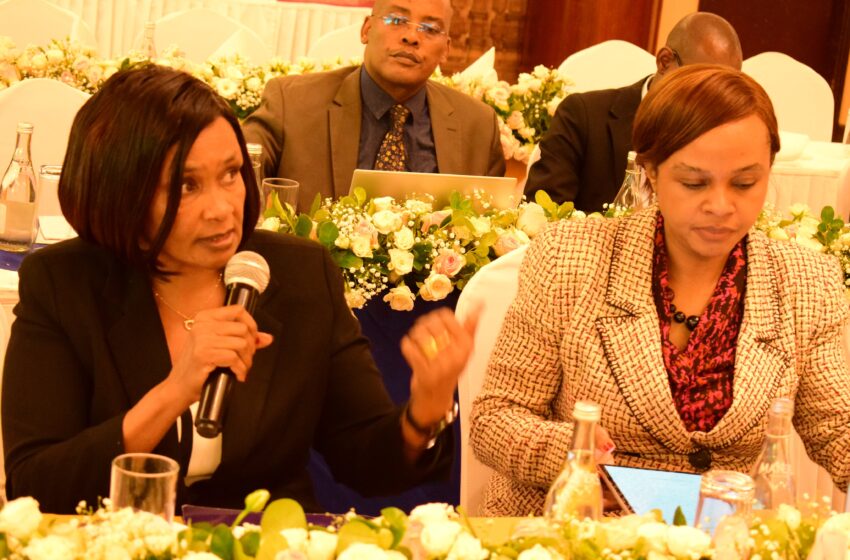
Teachers in Kenya have consistently voiced strong opposition to the transition from their previous, robust medical insurance schemes to the government-led Social Health Authority (SHA).
Despite the government maintaining that the new system is a critical step toward Universal Health Coverage, educators argue that the shift has significantly undermined their access to quality healthcare.
According to the educators, dissatisfaction has reached a boiling point, leading to threats of nationwide strikes as teachers demand a return to a more reliable, predictable, and sufficiently funded medical framework.
3.Inadequate Outpatient Caps and Rising Financial Burdens
The introduction of strict outpatient caps has created a severe financial strain for educators across the country. Under the current SHA framework, the capitation allocated for visits to various hospital levels is often insufficient, frequently failing to cover even the basic cost of a medical consultation. This leaves teachers in a difficult position where they must personally pay the balance for essential diagnostics and medication, effectively transforming what was marketed as a “comprehensive” medical cover into a limited consultation grant that offers little protection during illness.
This financial pressure is exacerbated by the rigid nature of the scheme, which lacks the flexibility previously enjoyed under older arrangements. Educators report that the daily spending limits are disconnected from the actual cost of healthcare services in modern facilities. When consultation fees absorb the majority of the available capitation, the remaining funds are often inadequate for necessary follow-up care or quality prescriptions. This forces teachers to choose between going without proper treatment or dipping into their own savings, undermining the very essence of having insurance.
Furthermore, the impact of these caps is disproportionately felt by those managing chronic conditions. Previous medical schemes allowed for more generous, longer-term coverage that ensured steady access to necessary medication in convenient quantities. Under SHA, the rationing of drugs—often limited to mere weekly supplies—forces patients to make repeated, expensive, and time-consuming trips to hospitals to maintain their health. This logistical burden not only disrupts their work schedules but also increases the overall cost of care, making the management of long-term health issues both exhausting and prohibitively expensive.
2.Loss of Pre-authorisation and Procedural Confusion
A primary concern for teachers is the abandonment of the pre-authorisation mechanism that provided clear, guaranteed access to care under their previous providers. Previously, this process offered educators peace of mind, knowing that if they followed established protocols, their treatment would be covered. The current SHA framework has replaced this certainty with a system characterized by opacity and inconsistency, where coverage limits and eligibility are often only revealed at the reception desk, frequently leading to the denial of services during critical moments of need.
This lack of clear, uniform procedures has resulted in frequent conflicts between patients and service providers, with many teachers being turned away from hospitals despite believing they were fully covered. Without a robust, centralized pre-authorisation channel, patients are left at the mercy of individual hospitals’ varied interpretations of SHA contracts. This uncertainty has created an environment of distress where educators are frequently forced to resort to emergency borrowing or public fundraising to secure treatment for themselves or their dependents, a burden that no contributor should face under an insurance plan.
The administrative instability of the system is compounded by widespread reports of systemic errors and questionable benefit utilization. Numerous teachers have flagged discrepancies in their records, where funds appear to have been deducted for specialized services—such as optical or dental care,that they never actually received. Coupled with allegations of fictitious dependents being added to their accounts without their knowledge, these issues have severely eroded confidence in the integrity of the SHA database. Teachers fear that their hard-earned medical benefits are being mismanaged, and the lack of transparent communication regarding these anomalies only deepens their distrust.
1.Restricted Inpatient Cover and Fragmented Benefits
Beyond the immediate outpatient frustrations, the inpatient experience under SHA has faced heavy criticism for its restrictive, diagnosis-based caps. While a teacher may be technically entitled to a significant annual inpatient limit, the reality is that the coverage is heavily fragmented by specific ceilings tied to individual conditions. Once the limit for a particular diagnosis is reached, the system often ceases payment, treating the benefit as “exhausted” even if the teacher has not approached their overall annual limit, leaving families to face unexpected, massive bills upon discharge.
The overall reduction in benefits is stark when contrasted with the scope of care provided by previous schemes. Important specialized services, including advanced diagnostic procedures and broader coverage for emergencies, are now subject to much tighter scrutiny and lower reimbursement rates.
Educators argue that the combination of mandatory salary deductions and the removal of previous medical allowances represents a substantial increase in their individual contributions, which has resulted in a drastically diminished set of benefits—a trade-off that many feel is entirely inequitable and contrary to the promise of improved access.
The cumulative effect of these challenges is a profound sense of abandonment within the teaching profession. Educators, who were once assured that the transition to the Social Health Authority would enhance their welfare, instead feel they have been relegated to a system that fails to meet their basic needs or acknowledge their critical role in the nation.