
5 Kenyan players who died while playing football

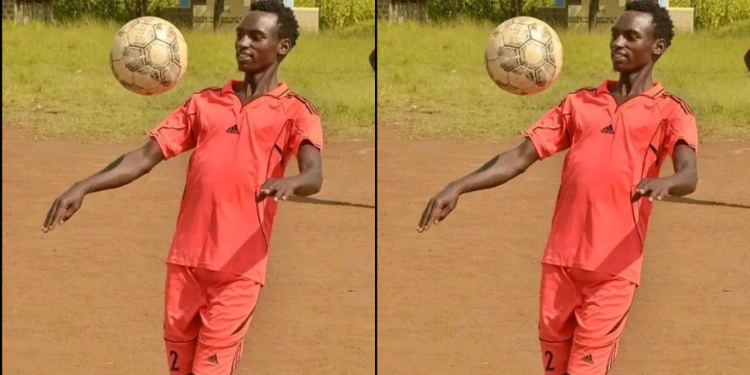
Kenyan football has suffered heartbreaking losses after players collapsed during competitive matches, raising serious questions about cardiac screening, emergency medical response and player welfare across domestic competitions. From grassroots tournaments to established clubs, these incidents have exposed the importance of ensuring that every football venue has the medical capacity to respond to life-threatening emergencies.
The deaths of five footballers, including former Gor Mahia midfielder Raphael Asudi and teenage player Moses Ayoo Awuoth, demonstrate the risks athletes can face even while participating in ordinary football fixtures. Their stories also highlight the need for stronger medical supervision, particularly in lower divisions where access to emergency equipment and specialist personnel may be limited.
Sudden cardiac arrest is a medical emergency requiring immediate recognition, cardiopulmonary resuscitation (CPR) and early access to an automated external defibrillator (AED). According to FIFA’s medical emergency guidance, football teams should have an emergency action plan, accessible defibrillators and personnel trained to respond to cardiac emergencies.
Read Also: Pharmacy Board Looks to Shape Future of Pharmaceutical Practice
“Preventing on-pitch fatalities across lower-tier domestic football requires enforcing baseline medical standards at every fixture,” stated a sports medicine and emergency health advocate Peter Aoko in Nairobi.
“Mandating trained paramedics, functional on-site resuscitation equipment, and routine pre-season cardiac screenings is non-negotiable for protecting player lives.”
1. Brayan Munene: Tisa Boys FC Player Dies During Match in 2026
The death of Brayan Munene brought renewed attention to medical preparedness in Kenya’s lower-tier football competitions after the Tisa Boys FC player collapsed during a match at Ahero Grounds in April 2026.
Munene was actively participating in the fixture when he suddenly fell on the pitch, prompting fellow players and match officials to respond. Medical personnel reportedly attended to him, but efforts to stabilise his condition were unsuccessful.
Tisa Boys FC subsequently confirmed his death through a statement expressing condolences to his family, teammates and the wider football community.
According to The Kenya Times’ report on Brayan Munene’s death, the player was representing Tisa Boys FC, a club competing in the Football Kenya Federation Division Two structure.
The circumstances surrounding Munene’s medical emergency were not fully established in the initial reporting. No confirmed medical diagnosis was publicly provided, making it important not to automatically attribute his death to cardiac arrest.
Nevertheless, the incident raised questions about the availability of emergency medical equipment and the speed of professional intervention at lower-division fixtures.
2. Abraham Fagbemi: Kasarani FC Mourns Nigerian Full-Back
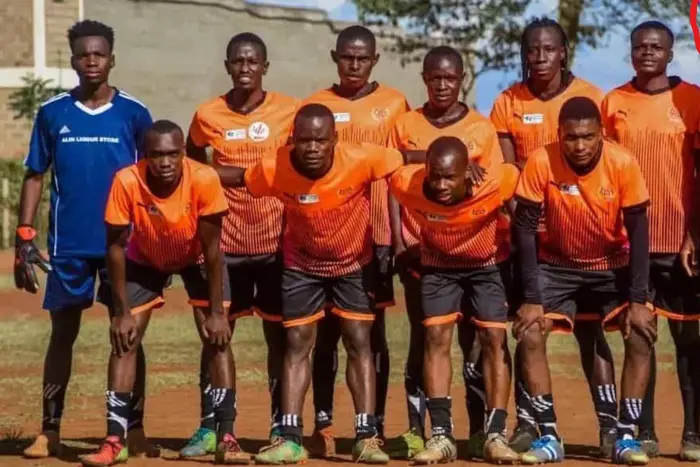
Kasarani FC suffered a devastating loss in December 2023 following the death of its full-back Abraham Fagbemi, who collapsed during a friendly encounter against Levintis United at Njiru Grounds in Nairobi.
According to team manager Kennedy Chege, Fagbemi requested water approximately 15 minutes into the match. The player subsequently touched his chest, appeared uncomfortable and eventually knelt down.
His condition deteriorated as teammates attempted to assist him. Chege explained that the player’s heartbeat was weak, prompting those around him to arrange transport to Mama Lucy Hospital.
Unfortunately, Fagbemi was pronounced dead after arriving at the medical facility.
The Nigerian-born footballer had reportedly been in Kenya for approximately three years after travelling to the country for football opportunities and studies. He had also recently completed his college education and was preparing for a job interview.
Read Also: KNEC Grade 10 Assessment 2026: Guidelines, Timelines & School Requirements
In Pulse Sports Kenya’s account of Abraham Fagbemi’s collapse, Chege described the player’s deterioration and the unsuccessful attempt to transport him to hospital in time.
The incident highlighted the importance of emergency transportation arrangements, particularly at community football grounds where immediate access to ambulances and medical personnel may be limited.
3. Raphael Asudi: Former Gor Mahia Midfielder Dies at Thika Stadium

The Kenyan football fraternity was thrown into mourning on August 13, 2023, following the death of former Gor Mahia midfielder Raphael Asudi during a friendly match at Thika Stadium.
Asudi was representing Donholm Seniors against Thika Vitambi FC when he suddenly collapsed during the encounter.
The 27-year-old had previously featured for several established Kenyan clubs, including Gor Mahia, Sofapaka, Nairobi Stima, Posta Rangers and Bidco United.
Reports published after his death indicated that Asudi had previously undergone surgery connected to a heart condition. A family source also suggested that he had been advised to stop playing football.
However, the precise medical circumstances surrounding his death were not independently established through a published medical report.
Teammates and members of the technical bench reportedly attempted to administer first aid before he was taken for further medical attention. His death was confirmed approximately two hours after the incident.
People Daily’s reporting on Raphael Asudi’s death documented his playing career and the reported medical history surrounding the tragedy.
Asudi’s case highlights the importance of medical histories being properly documented and reviewed before players are cleared to participate in competitive football. Previous cardiac surgery or a diagnosed heart condition should prompt specialist assessment before an athlete returns to the pitch.
4. Samuel Otieno: 18-Year-Old Footballer Dies in Kisumu County
The death of 18-year-old Samuel Otieno in September 2022 demonstrated that sudden medical emergencies can affect young footballers participating in community competitions.
Otieno was representing Awanya FC during a friendly match at Kajulu Koker in Seme East Sub-Location, Kisumu County, when he collapsed approximately 15 minutes after entering the game as a substitute.
According to reports, the teenager fell while contesting possession with an opponent but failed to get back on his feet.
Players and other people present initially struggled to establish what had happened. Local coach Dominic Fidel recalled that some initially thought Otieno was pretending to be injured.
The incident quickly became a medical emergency, with the player subsequently confirmed dead.
The circumstances were documented in Mozzart Sport Kenya’s report on Samuel Otieno, which detailed his collapse during the encounter.
His death raised concerns about the ability of grassroots football organisers to distinguish ordinary match injuries from potentially life-threatening medical conditions.
A player who collapses unexpectedly should never be assumed to be suffering from an ordinary football injury. Immediate medical assessment is essential, particularly where there is loss of consciousness or abnormal breathing.
5. Moses Ayoo Awuoth: Teenage Rae Green Stars Player Dies After Collapse

The death of Moses Ayoo Awuoth remains another heartbreaking example of the medical emergencies that can affect young footballers in Kenya’s grassroots competitions.
The 16-year-old Rae Green Stars FC player collapsed during a local tournament at Ragumo Primary School in Kisumu on September 1, 2019.
Awuoth, who was also a Form Two student at Kisumu Boys High School, reportedly suffered a convulsion after his team’s encounter against Renja FC.
His coach, Hesbon Otieno, explained that the teenager fell unexpectedly during the play-off. First aid was administered at the venue, but attempts to resuscitate him were unsuccessful.
He was subsequently rushed to Wema Hospital in Nyamasaria but was pronounced dead upon arrival.
The incident was documented by Tuko in its report on Moses Ayoo Awuoth’s death, which included comments from his coach about the unsuccessful resuscitation efforts.
His death illustrated the importance of having properly equipped medical teams at youth tournaments, where players may be exposed to intense physical activity without adequate medical supervision.
The experiences of these five footballers underline why medical preparedness must extend beyond professional football and cover youth competitions, county leagues and community tournaments.
Medical Emergency Gaps: What Happens When a Player Collapses?
The five incidents expose the importance of establishing a reliable emergency response system throughout Kenyan football.
A major concern is the difference between the medical resources available at established professional stadiums and those accessible to teams competing in county, regional and lower-division competitions.
At community grounds, clubs may depend heavily on coaches, teammates or spectators to provide initial assistance. Such individuals may lack formal training in CPR, recognising cardiac arrest or operating an AED.
The absence of a coordinated emergency action plan can also delay the decision to stop a match, summon an ambulance and begin resuscitation.
According to FIFA’s sudden cardiac arrest protocols, an unresponsive player who collapses should be treated as a potential cardiac arrest case. Immediate chest compressions should begin while an AED is obtained and emergency medical services are contacted.
FIFA’s 2025 youth football medical consensus further recommends positioning AEDs so that defibrillation can be delivered within three minutes of a collapse at training and match venues.
The FIFA consensus statement published in the British Journal of Sports Medicine also recommends training coaches, referees, players and other potential first responders in recognising cardiac arrest, performing hands-only CPR and using defibrillators.
This standard offers an important benchmark for Kenyan football administrators seeking to strengthen medical preparedness.
Sports Act and FKF Licensing: Where Does Responsibility Lie?
The legal framework governing sports administration in Kenya provides several avenues for strengthening player welfare, although some provisions require careful interpretation.
One important correction concerns Section 12 of the Sports Act No. 25 of 2013. The section was repealed through the Sports (Amendment) Act, 2019. It should therefore not be presented as an existing statutory provision governing federation compliance or medical safety.
Instead, Section 4 of the Sports Act No. 25 of 2013 outlines Sports Kenya’s functions, including developing stadium standards, licensing and regularly inspecting stadiums used for sporting and recreational purposes.
Section 5 also provides for regulations concerning the safety and maintenance of stadiums under Sports Kenya’s responsibility.
The Sports Registrar, established under Section 45, is responsible for registering and regulating sports organisations and handling licensing matters relating to professional sports.
The Football Kenya Federation’s official rules and regulations provide the broader governance framework for clubs, players and competitions.
FKF club licensing requirements also address medical support. Under the Men’s Club Licensing Regulations 2024, Article 28 addresses annual medical examinations and player medical support, while Article 39 provides for access to a recognised medical doctor responsible for first-team medical support and advice. Article 40 addresses physiotherapy provision.
These requirements are significant, but they should not be misrepresented as proof that every county-level friendly or grassroots fixture already has a mandatory on-site ambulance and AED under the cited provisions.
Read Also: Top Comoros Official Hospitalized in Nairobi Amid Rising Tensions in Moroni
Why Mandatory Cardiac Screening Must Become a Priority
Pre-Competition Medical Assessment (PCMA) should become a central requirement in the registration and participation of footballers across Kenyan leagues.
FIFA’s cardiac screening framework identifies several important assessment areas:
- Personal medical history: Identifying previous illnesses, unexplained fainting and symptoms associated with exercise.
- Family medical history: Establishing whether close relatives have experienced sudden cardiac death or inherited heart conditions.
- Physical examination: Assessing cardiovascular health and identifying potential warning signs.
- Electrocardiogram: Using a resting 12-lead ECG to identify potentially dangerous electrical abnormalities.
According to FIFA’s cardiac screening guidelines, cardiac screening before participation in FIFA competitions includes medical history, physical examination and electrocardiogram testing, with further investigations where necessary.
The importance of ECG screening is also supported by sports medicine research, which recommends cardiovascular assessment as part of pre-competition medical examinations.
However, screening should not be treated as a guarantee against sudden cardiac death. Some conditions may remain undetected, making matchday emergency preparedness equally important.
Kenyan football administrators should therefore consider introducing standardised annual cardiac assessments, with additional specialist investigations where medical findings warrant them.
Players who report chest pain, unexplained fainting, unusual breathlessness or palpitations during exercise should receive appropriate medical evaluation before returning to competitive football.
Three Pillars of Emergency Safety Kenyan Football Must Strengthen
The following framework outlines the proposed responsibilities of football administrators, clubs and relevant public institutions.
| Emergency safety pillar | Regulatory authority / code | Federation and club mandate |
|---|---|---|
| Pitchside resuscitation | FIFA medical emergency guidance and FKF licensing requirements | Ensure trained first responders, immediate CPR, emergency communication and reliable ambulance arrangements. |
| Pre-season cardiac screening | FIFA PCMA recommendations and applicable FKF licensing requirements | Conduct annual medical examinations, cardiovascular assessments and appropriate ECG screening before competition. |
| AED and trauma equipment | FIFA medical emergency guidance and applicable stadium safety requirements | Provide accessible, functional AEDs, emergency medical kits and trained personnel at match and training venues. |
What FKF and the Ministry of Sports Should Prioritise
The Football Kenya Federation should consider strengthening medical compliance inspections, particularly among clubs competing in lower divisions and regional competitions.
A practical starting point would be requiring clubs and match organisers to demonstrate that they have an emergency response plan before receiving approval to host official fixtures.
Such a framework should include:
- Certified medical responders: Every official match should have appropriately trained personnel capable of administering first aid and CPR.
- AED availability: Clubs and stadium operators should ensure functional defibrillators are accessible, properly maintained and available for immediate use.
- Ambulance arrangements: Match organisers should have confirmed emergency transportation arrangements, with clear access routes and identified referral hospitals.
- Mandatory medical clearance: Players should undergo appropriate medical assessments before registration and participation, with additional investigations where necessary.
- Emergency response drills: Coaches, referees, team officials and other first responders should receive regular training in recognising cardiac emergencies and operating resuscitation equipment.
The Ministry of Sports, Sports Kenya and the Ministry of Health could also coordinate a national framework establishing minimum medical safety standards for sporting venues.
Importantly, the requirements should extend beyond top-flight football. Players participating in county leagues, youth tournaments, regional competitions and community football deserve comparable protection against preventable medical emergencies.
Conclusion: Kenyan Football Cannot Afford Another Preventable Tragedy
The stories of these five footballers represent deeply painful moments for the Kenyan football community. Their circumstances were different, but the incidents highlight a shared concern about the importance of early medical intervention, player screening and emergency preparedness.
There is no basis for concluding that all five deaths resulted from cardiac arrest or that medical equipment deficiencies directly caused their deaths. Establishing those facts would require medical and investigative records that have not been publicly established.
Nevertheless, remembering 5 Kenyan players who died while playing football should inspire meaningful reforms that protect current and future generations of athletes.
FKF has existing club licensing requirements covering annual medical examinations and access to medical support. The next challenge is strengthening implementation, extending appropriate protections to grassroots football and ensuring that matchday emergency plans work in practice.
A football match should never become a situation where teammates and spectators are left helpless because life-saving equipment or trained medical personnel are unavailable.
Kenyan football needs a medical safety system that protects players before, during and after every match.

