
5 Shocking Reasons Government Has Reduced Fuel Prices for 6 Months

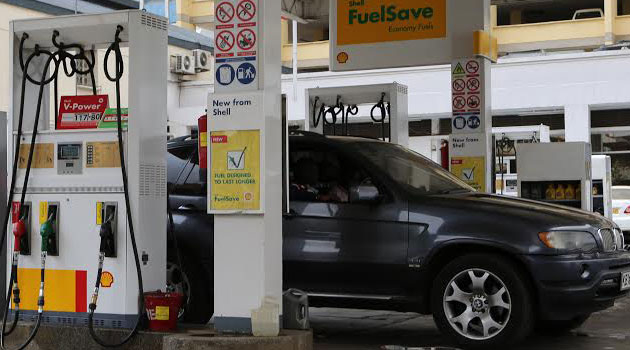
The government has moved to ease fuel costs for a six-month period as part of a broader intervention to stabilize the country’s energy sector amid rising global uncertainty.
For many consumers, the announcement has come as welcome relief, but behind the decision lies a complex mix of international pressures, supply challenges, and domestic economic considerations. While the government has also adjusted fuel quality requirements to keep imports flowing, these measures are closely tied to efforts to manage prices and ensure availability.
Below are five key reasons driving this temporary fuel relief measure.
Also Read: Madrasa and Duksi Integration into Kenya Basic Education: Everything You Need to Know
5.Global supply disruptions from Middle East tensions
One of the biggest drivers behind the decision is the ongoing instability in the Middle East, which has significantly disrupted global oil markets. Conflicts and heightened tensions involving major regional powers have created uncertainty in crude oil supply chains, pushing global prices upward.
These disruptions have made it more expensive and difficult for import-dependent countries like Kenya to secure stable fuel supplies at predictable prices, forcing policymakers to intervene to shield consumers.
4.Strain on critical shipping routes like the Strait of Hormuz
A major portion of the world’s oil passes through the Strait of Hormuz, a strategic chokepoint that has recently become a focal point of geopolitical risk. Any threat to this route—whether real or anticipated—tends to cause immediate spikes in global oil prices.
This vulnerability has forced importing nations to prepare for supply instability, and in Kenya’s case, contributed to short-term measures aimed at cushioning local fuel prices from external shocks.
3.Difficulty in sourcing compliant fuel in global markets
International fuel markets are currently experiencing shortages of refined products that meet stricter environmental and quality standards. Kenya, which has progressively tightened its fuel specifications over the years, has found it increasingly difficult to secure sufficient quantities of compliant fuel.
To avoid supply gaps that would otherwise push prices even higher, the government has temporarily relaxed certain quality parameters to widen the pool of available imports and stabilize costs.
2.Pressure from the petroleum sector to prevent shortages
Local importers and petroleum marketers have raised concerns about dwindling supply options and rising procurement costs. These industry players warned that without intervention, the country could face intermittent shortages or sharp price increases.
In response, the government opted for a short-term cushioning strategy aimed at ensuring continuous fuel availability while preventing sudden spikes that could hurt consumers and businesses.
1.Need to protect economic stability and households
Fuel prices have a direct impact on the cost of living, transportation, manufacturing, and food distribution. Any sharp increase can quickly ripple through the economy, driving inflation and reducing household purchasing power.
Also Read: Top Comoros Official Hospitalized in Nairobi Amid Rising Tensions in Moroni
By introducing temporary measures to stabilize fuel prices, the government aims to protect consumers from global volatility and maintain economic stability during a period of heightened uncertainty. This includes balancing environmental goals with immediate economic needs.

