
3 Big Reasons Miraa Legal Battle Is Tearing Senators Apart

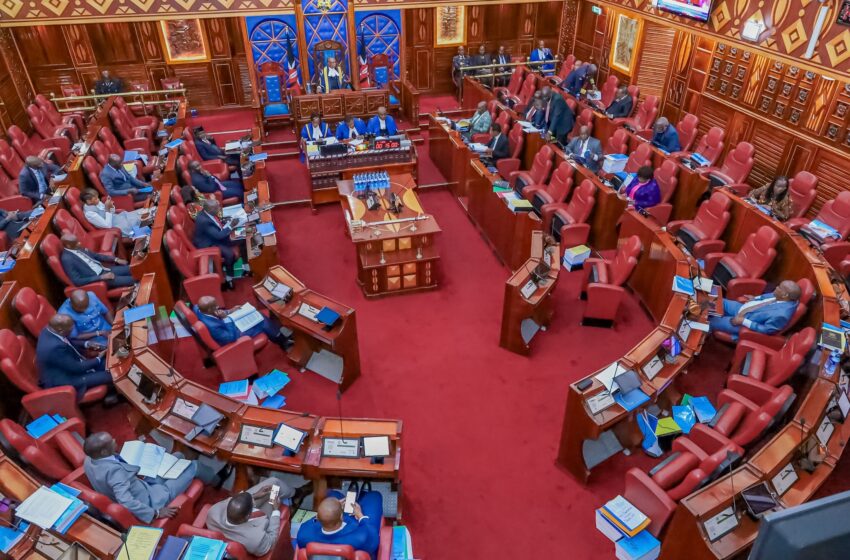
Often regarded as “green gold” by its proponents and a dangerous narcotic by its critics, miraa has become the center of a high-stakes legislative battle in Kenya.
The Narcotic Drugs and Psychotropic Substances (Control) Amendment Bill, 2024, has split the Senate into two fierce camps. Despite one side fighting for the survival of a billion-shilling industry, the other warns of a looming public health crisis.
The debate is just about a plant but it is a clash of law, livelihood, and international standing. Here are the three primary reasons why Kenyan lawmakers cannot reach a consensus.
3.The Legal Paradox: Cash Crop or Controlled Substance?

The most glaring point of contention is a massive contradiction in Kenyan law. Currently, miraa is recognized as a scheduled crop under the Crops Act of 2013, receiving government funding and support. However, its active chemical components,cathinone and cathine,remain listed as psychotropic substances under drug control laws.
Senator Kathuri Murungi argues that the government cannot logically allocate billions to support a sector while simultaneously criminalizing its chemical DNA. This “legal double standard” has paralyzed the industry, preventing entrepreneurs from securing certifications for value-added products like miraa-infused tea, juice, or wine.
2.Economic Survival vs. Public Health

For the supporters of the bill, the numbers speak for themselves. Miraa is grown on approximately 22,000 hectares and supports over 500,000 people directly. In regions like Meru and Embu, it is the primary economic engine, generating an estimated 12 billion Kenyan shillings annually.
On the other side of the aisle, senators from coastal and northern regions express deep concern over the social and health impacts of the crop. Critics like Senator Mohamed Faki point out that these chemicals are internationally controlled due to their potential for abuse. The split reflects a regional divide: one side sees a vital cash crop equivalent to coffee or tea, while the other sees a substance that contributes to social decay and health issues.
1.International Obligations and Global Reputation

Kenya finds itself in a tight spot regarding international treaties. Cathinone and cathine are listed under the United Nations drug control conventions. Opponents of the bill fear that delisting these substances could damage Kenya’s standing with global narcotics regulators and complicate international relations.
However, proponents highlight a 2006 World Health Organization (WHO) report which suggested that the potential for dependence on miraa is low. They argue that Kenya should follow the lead of scientific research rather than outdated regulatory fears to unlock lucrative export markets that were lost when European countries imposed bans.
The fate of the Miraa Amendment Bill remains uncertain. If passed, it could revolutionize the industry through full commercialization and innovation. If defeated, the “green gold” will remain in a legal gray zone, caught between its status as a pillar of the economy and its classification as a restricted drug.

