
Opiyo Wandayi Fuel Price Outlook: Why Petrol and Diesel Prices Are Rising Despite Sh5 Billion Government Intervention


Energy and Petroleum Cabinet Secretary Opiyo Wandayi has said the government will continue deploying fuel price stabilisation measures as Kenya grapples with rising global oil prices, warning that international market pressures are likely to keep pump prices elevated in the coming months.
The government’s latest intervention saw approximately Sh5 billion released from the Petroleum Development Levy (PDL) Fund to cushion consumers from the full impact of soaring global petroleum prices. However, despite the subsidy, motorists will still pay significantly more for petrol and diesel following the latest monthly fuel review covering May 15 to June 14, 2026.
Under the new prices announced by the Ministry of Energy and Petroleum, Super Petrol has increased by Sh16.65 per litre, while diesel has recorded a much steeper rise of Sh46.29 per litre. Kerosene prices remain unchanged, thanks to direct government intervention through the Petroleum Development Levy stabilisation mechanism.
The latest adjustment reflects Kenya’s continued exposure to global energy market volatility, with international crude oil prices, shipping costs and geopolitical tensions driving import costs higher.
Also Read: Diesel, Petrol Prices Spike in Latest EPRA Monthly Review
Opiyo Wandayi’s Fuel Price Outlook
According to Wandayi, Kenya’s fuel price outlook will largely depend on developments in the global oil market rather than domestic policy alone.
He explained that the government expects international petroleum prices to remain volatile as geopolitical tensions continue disrupting supply chains and increasing transportation costs.
“To mitigate the impact of rising global petroleum prices on consumers and the wider economy, the government has utilised the Petroleum Development Levy stabilisation mechanism to cushion the prices of Diesel and Kerosene during this review period,” Wandayi said.
He added that the government’s immediate priority is protecting households, businesses and critical sectors of the economy from sudden fuel price shocks while ensuring adequate petroleum supplies across the country.
Although the latest Sh5 billion intervention has reduced the impact of rising international prices, Wandayi cautioned that future fuel prices will continue to depend on movements in global crude oil markets, exchange rates and international freight costs.
Why Fuel Prices Increased in Kenya

The latest fuel price increase is primarily linked to developments in international energy markets.
Kenya imports nearly all of its refined petroleum products, meaning local pump prices are directly influenced by the cost of importing fuel into the country.
According to data released by the Ministry of Energy and Petroleum, the average landed cost of imported Super Petrol increased from USD 823.27 per cubic metre in March 2026 to USD 906.23 per cubic metre in April 2026, representing an increase of approximately 10 per cent.
Diesel experienced the largest increase, with its landed cost rising by 20.32 per cent, explaining why diesel prices registered the biggest jump during the latest review.
Meanwhile, kerosene recorded a relatively modest increase of 1.59 per cent, allowing the government to fully cushion consumers using the Petroleum Development Levy Fund.
Middle East Tensions Continue to Drive Fuel Prices Higher
The Ministry attributes much of the current increase to escalating geopolitical tensions in the Middle East.
Particular concern surrounds the Strait of Hormuz, one of the world’s busiest oil shipping routes through which nearly one-fifth of global petroleum supplies pass every day.
Security concerns in the region have pushed marine insurance premiums sharply higher while freight companies have increased shipping charges to compensate for elevated operational risks.
Government officials say freight and insurance costs have more than doubled in recent months, significantly increasing the cost of importing petroleum into Kenya.
Because Kenya relies almost entirely on imported refined fuel, these international developments are eventually reflected in domestic pump prices.
How the Government Is Cushioning Consumers
While international prices remain beyond Kenya’s control, the government says it has implemented several measures to reduce the burden on consumers.
Petroleum Development Levy Fund
The most immediate intervention is the release of Sh5 billion from the Petroleum Development Levy Fund.
The levy is collected from petroleum sales and maintained as a stabilisation reserve that can be used whenever global fuel prices rise sharply.
Without the latest subsidy, officials say diesel and kerosene prices would have increased substantially more than the figures announced in the latest review.
Reduced VAT on Fuel
The Ministry also highlighted the reduction of Value Added Tax (VAT) on petroleum products from 16 per cent to 8 per cent as another measure helping to moderate fuel prices.
Officials argue that maintaining the lower VAT rate has continued to save motorists and businesses significant amounts at the pump.
Government-to-Government Fuel Importation
The government has also defended the Government-to-Government (G-to-G) fuel importation programme.
According to the Ministry, the arrangement has enabled Kenya to secure petroleum supplies under more predictable terms, reducing exposure to volatile international cargo premiums and freight costs.
“The Government-to-Government fuel importation framework has continued to shield the country in a great way from escalated petroleum cargo freight and premiums globally,” the Ministry said.
What Is the Petroleum Development Levy?
Many motorists contribute to the Petroleum Development Levy without fully understanding its purpose.
The levy is charged on petroleum products sold in Kenya and is intended to create a reserve fund that can be used to stabilise fuel prices during periods of global market volatility.
Rather than allowing international price increases to be passed directly to consumers, the government can temporarily use money from the fund to absorb part of the additional cost.
This mechanism has become one of the government’s primary tools for cushioning households, transport operators and businesses whenever global oil prices rise sharply.
The latest Sh5 billion intervention demonstrates how the fund is intended to operate during periods of exceptional market pressure.
Will Fuel Prices Continue Rising?
One of the biggest concerns among motorists is whether fuel prices could increase again.
According to Wandayi, future fuel prices will depend on several international and domestic factors.
Among the most important are:
- Global crude oil prices.
- Developments in the Middle East.
- Shipping and marine insurance costs.
- The Kenya shilling’s exchange rate against the US dollar.
- Monthly reviews conducted by the Energy and Petroleum Regulatory Authority (EPRA).
Should global oil prices continue rising, Kenya may face further upward adjustments unless additional government intervention is introduced.
Conversely, any easing of geopolitical tensions or improvements in global supply chains could help moderate future fuel prices.
Government Assures Kenyans of Stable Fuel Supply
Despite higher prices, the Ministry has assured Kenyans that there is no fuel shortage.
Officials say the country currently has adequate petroleum stocks to meet national demand and that supply chains remain stable.
The government has also urged fuel dealers to comply with official pump prices and avoid exploiting consumers during the current period of market uncertainty.
“We should all remain vigilant against possible profit-driven exploitative practices during this period of uncertainty, ensuring that consumers are not placed at any further disadvantage,” the Ministry stated.
How Higher Fuel Prices Affect Kenyans
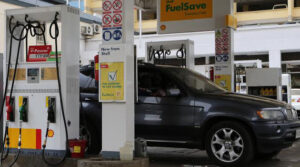
The latest increase is expected to affect almost every sector of the economy.
Diesel powers much of Kenya’s transport, agriculture, manufacturing and logistics industries, meaning higher diesel prices often translate into increased costs for transporting goods and providing services.
Public transport operators may face higher operating expenses, while manufacturers and farmers could see production costs increase.
These additional expenses are frequently passed on to consumers through higher prices for food, consumer goods and transport services.
Although kerosene prices remain unchanged, the increase in petrol and diesel is still likely to place additional pressure on household budgets already affected by inflation and the rising cost of living.
What Kenyans Should Expect in the Coming Months
Looking ahead, Opiyo Wandayi says the government will continue monitoring global oil markets and using available policy tools to protect consumers wherever possible.
However, he acknowledged that Kenya remains vulnerable to international energy market developments because it depends heavily on imported petroleum products.
The government has pledged to continue engaging stakeholders in the transport, manufacturing and energy sectors while ensuring adequate fuel supplies across the country.
For motorists and businesses, the fuel price outlook will largely depend on international crude oil prices, geopolitical stability, shipping costs and future EPRA pricing reviews. While the Sh5 billion subsidy has softened the latest increase, the coming months will test Kenya’s ability to balance consumer affordability with the realities of an increasingly volatile global energy market.
Frequently Asked Questions
Why did fuel prices increase?
The increase is mainly due to higher international oil prices, increased freight charges, rising marine insurance costs and geopolitical tensions affecting global fuel supply.
How much did the government spend to cushion fuel prices?
The government released approximately Sh5 billion from the Petroleum Development Levy Fund during the latest pricing review.
Why did diesel increase more than petrol?
Diesel recorded a 20.32 per cent increase in its landed import cost, much higher than the increase for petrol.
Will fuel prices reduce next month?
That will depend on international crude oil prices, the Kenya shilling’s exchange rate, shipping costs and EPRA’s next monthly fuel review.
Is Kenya facing a fuel shortage?
No. The Ministry of Energy says the country has sufficient petroleum stocks and that supplies remain stable despite higher prices.