3 Reasons Why Ndindi Nyoro is Seeking an Urgent Parliamentary Recall


The Member of Parliament for Kiharu, Ndindi Nyoro, has formally petitioned Speaker Moses Wetang’ula to cut short the National Assembly’s recess.
Nyoro’s goal is to convene a special sitting, preferably this coming Monday, to fast-track legislative changes that could significantly lower the cost of fuel in Kenya. This move comes as a response to growing public outcry over the rising cost of living, which has been exacerbated by high energy prices affecting every sector from transport to manufacturing.
In a detailed letter dated May 15, the legislator highlighted that these proposals are essential to protect the economy from damaging inflationary pressures. He noted that the specific legislative instruments have already been forwarded to the Clerk of the National Assembly for immediate processing.
Read Also: Ngemi Festival 2026: Theme, Venue, Date and Everything You Need to Know
The urgency of the request reflects a desire to implement these changes “at the earliest” possible moment to provide a necessary buffer for both consumers and businesses operating in a volatile market.
1.Eliminating VAT on Petroleum Products

The primary pillar of this legislative push is a proposed amendment to the VAT Act. Currently, petroleum products attract a Value Added Tax that adds a significant margin to the final pump price. By seeking to reduce this tax from 8% to 0%, the MP intends to transition petrol, diesel, and kerosene into the VAT-exempt category, providing a direct and immediate reduction in costs for every Kenyan at the filling station.
Technical projections shared by the legislator indicate that this single move would result in a substantial price drop. Super petrol would see a reduction of approximately Sh15.87 per litre, while diesel, the lifeblood of the transport and manufacturing sectors, would drop by about Sh17.99 per litre. These figures represent a massive shift in the monthly expenditure of motorists who have been struggling with record-high fuel prices over the past year.
Nyoro argues that the removal of VAT is the most efficient way to provide relief because it removes a layer of taxation that compounds other costs. By addressing the tax code directly, the National Assembly can bypass long-term subsidy debates and deliver a permanent solution to the pricing structure. This change is viewed as a necessary correction to ensure that energy remains affordable for the average household.
2.Reducing the Road Maintenance Levy
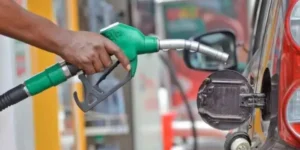
The second objective involves a significant reduction in the Road Maintenance Levy Fund (RMLF). Nyoro has proposed a cut of Sh7 per litre through the revocation of the Road Maintenance Levy Fund (Imposition of Levy) Order, 2024. This levy is specifically earmarked for the upkeep of the country’s road network, but the MP suggests that the current rate has become a burden that outweighs its immediate benefits to the taxpayer.
By targeting the RMLF, the legislative proposal seeks to create a multi-layered price reduction. When combined with the VAT exemption, the total savings per litre would exceed Sh20, creating a noticeable buffer for the economy. The legislator believes that while infrastructure maintenance remains a priority, the immediate survival of businesses and the protection of consumer purchasing power must take precedence during this period of economic volatility.
Furthermore, this reduction is part of a broader strategy to simplify the fuel pricing formula. Nyoro notes that his team has also identified a Sh5 billion diesel subsidy that can be implemented alongside these cuts to further stabilize the market. Because the subsidy does not require parliamentary approval, the focus of the urgent sitting remains strictly on the legislative levers that only the House can pull, such as the levy revocation.
3.Curbing Inflationary Pressure and the Cost of Living
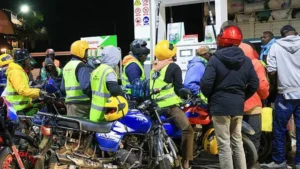
Beyond the technicalities of taxes and levies, the overarching reason for the recall is to combat rampant inflation. High fuel prices are the primary driver of increased costs across all sectors of the Kenyan economy. When the cost of diesel rises, it triggers a chain reaction that increases the price of electricity, manufactured goods, and basic services, effectively shrinking the disposable income of millions of citizens.
The agricultural sector is particularly vulnerable to these fluctuations. Lowering fuel prices would immediately reduce the cost of operating farm machinery and transporting produce from rural areas to urban markets. By easing these logistical costs, the proposed amendments aim to bring down the price of food, which remains the largest component of the household budget for most Kenyans.
In his formal appeal to the Speaker, Nyoro emphasized that the country cannot afford to wait until the end of the scheduled recess to take action. He contends that a special sitting is the only way to “avert damaging inflationary effects” that threaten to stall national economic growth. This move underscores a commitment to the continent’s prosperity, driven by the philosophy that Africa’s economic health is the primary business of its leadership.