
How to Manage Workplace Productivity During Public Transport Strike

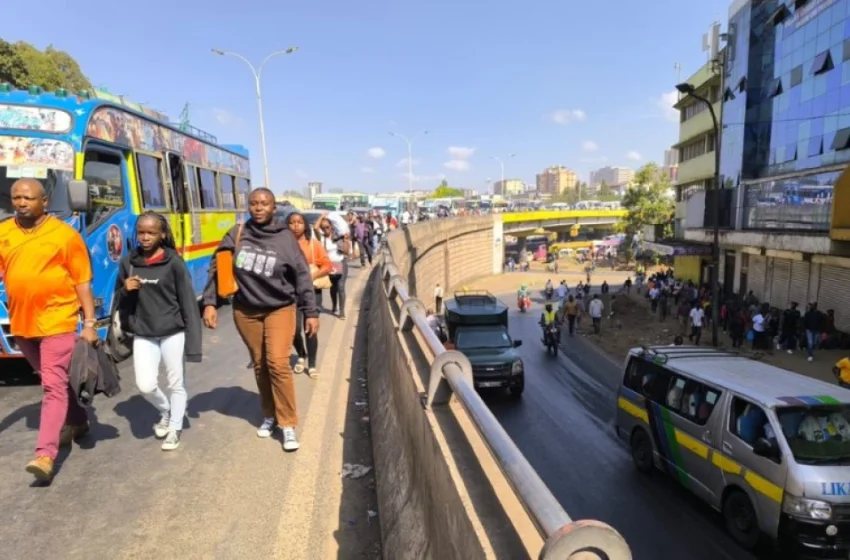
Matatu strike has forced a dramatic shift in the daily operations of businesses and professionals across the country.
The transport paralysis enters its second day with no immediate resolution between the government and transport stakeholders, making the challenge of maintaining output a priority.
Successfully navigating this disruption requires a proactive strategy that balances professional responsibilities with the logistical realities of a city at a standstill.
By focusing on communication, personal logistics, and community safety, you can maintain your productivity even when the nation’s primary transit systems are offline.
Effective Workplace Communication and Remote Coordination
Matatu strike has made it clear that professional flexibility is a necessity for business continuity during national crises. Reaching out to your supervisors or team members immediately to discuss your mobility status is the first step in managing your workload. This transparency ensures that your absence from the physical office is managed without a dip in output, as it allows your team to adjust deadlines or reassign tasks that require a physical presence. Clear communication prevents misunderstandings and demonstrates a commitment to your role despite the external challenges.
If your job allows for it, proposing a detailed remote work plan is the most effective way to bypass the chaos on the roads. For those in digital or service-oriented roles, shifting to virtual meetings and cloud-based collaboration tools can maintain the standard workflow without the stress of a grueling commute. Ensure that your home workspace is equipped with a stable internet connection and backup power, as digital reliability becomes your primary professional asset when physical movement is restricted. This shift not only keeps you productive but also helps clear the roads for essential service workers who must travel.
For roles that absolutely require a physical presence, negotiating “anchor hours” with your employer can provide a safer window for travel. Most transport volatility occurs during the early morning and late evening rush hours, so arriving later and leaving earlier can help you avoid the most crowded and unpredictable periods. By aligning your schedule with the safest travel times, you protect your wellbeing while ensuring that critical tasks are still completed. This strategic approach to scheduling allows for a balance between operational needs and the reality of the transport shutdown.
Strategic Supply Management and Financial Preparedness
Matatu strike has a ripple effect that often extends to the supply chain, potentially affecting the availability of goods in local markets. As the protest enters its second day, it is essential to get out and buy necessary foodstuff and household supplies before the situation enters a third day. Securing non-perishables and daily essentials now prevents the stress of navigating shortages or significant price hikes that often accompany prolonged transport disruptions. Having a well-stocked pantry allows you to focus your energy on work and family rather than worrying about daily shopping trips.
Financial readiness is equally critical during a transport crisis, as traditional systems can face unexpected pressure. It is highly recommended to have some cash with you at all times, even if you primarily rely on digital payment methods. In times of high tension or localized unrest, digital networks can occasionally experience downtime, or small-scale vendors may insist on physical currency for quick transactions. Having liquid cash ensures you can pay for emergency transport or urgent supplies without being stranded by a technical failure or a merchant’s preference.
The economic pressure of the strike is felt most significantly through the inflation of fares and the cost of basic commodities. By withdrawing a manageable amount of cash and securing your food supplies early, you create a buffer against the price volatility that typically accompanies a transport shutdown. This proactive planning reduces the mental load of day-to-day survival, allowing you to maintain a clearer head for professional decision-making. Until an agreement is reached between the Ministry of Energy and the transport sector, resource management remains your best defense against the escalating costs of the strike.
Community-Based Mobility and Personal Safety
Matatu strike has turned every journey into a calculated risk, making personal safety the most important factor in your daily planning. If walking or using alternative transport is unavoidable, you must prioritize moving in groups rather than traveling alone. Walking in numbers provides significant security and visibility, serving as a natural deterrent to opportunistic crime that can occur during periods of civil unrest. Groups are also better equipped to navigate road blockages or find alternative paths if a primary route becomes impassable due to active protests.
Leveraging community networks is a powerful way to stay informed and safe while the PSV sector remains grounded. Neighborhood WhatsApp groups and verified social media alerts provide real-time updates on safe routes and active security zones near major hubs like the Nairobi CBD or Thika Road. Before leaving your house, check these channels for the most recent information on road status to avoid walking into volatile areas where police and demonstrators may be clashing. These localized information clusters often provide more immediate data than national news broadcasts.
Finally, remember to stay vigilant about your personal belongings and digital security while navigating the streets. Avoid displaying expensive electronics like laptops or high-end smartphones, and keep your bags securely fastened and out of sight. Maintaining situational awareness,observing the mood of crowds and the presence of security forces,is essential for making split-second decisions about your route. By combining group movement with real-time data and a low profile, you can navigate the complexities of the strike while keeping yourself and your property secure.