
Matatu Strike Transport Crisis Fuel Price Hike Impact on Economy and Urban Mobility Explained

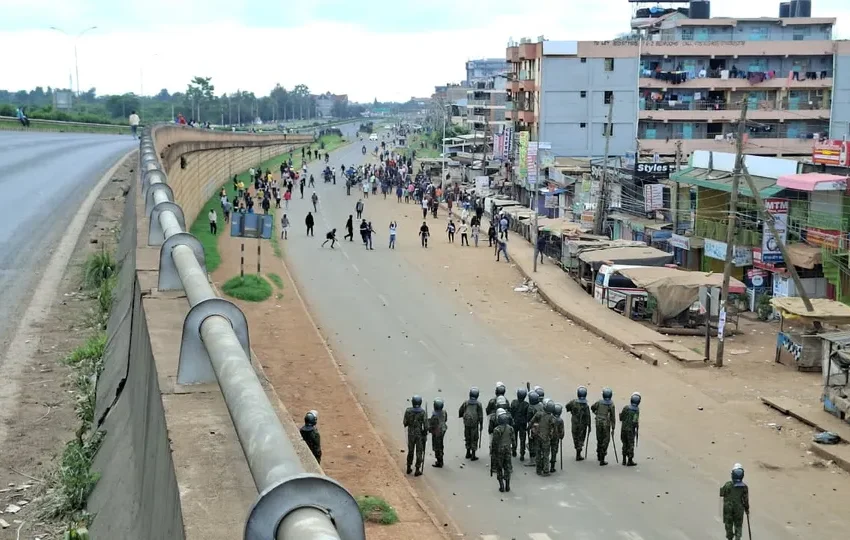
Kenya’s major cities were thrown into chaos after a nationwide matatu strike disrupted transport networks, leaving thousands of commuters stranded and exposing deep tensions within the country’s public transport sector.
From Nairobi to Mombasa and Kisumu, the withdrawal of public service vehicles triggered a ripple effect across the economy. Workers, students, and traders struggled to reach their destinations as fares surged and mobility collapsed.
What began as a transport sector protest quickly escalated into a broader economic disruption, highlighting the fragile balance between fuel pricing, urban mobility, and livelihoods in Kenya’s growing cities.
Why Matatu Operators Went on Strike in Kenya
At the centre of the shutdown is rising pressure from fuel price increases announced by the Energy and Petroleum Regulatory Authority.
Transport operators argue that escalating fuel costs have made daily operations unsustainable. Profit margins have narrowed significantly, forcing many operators to either reduce trips or exit the market entirely.
The strike was organized by transport sector stakeholders seeking urgent government intervention on fuel taxation and pricing mechanisms.
Key drivers behind the matatu strike
| Factor | Impact on operators | Result |
|---|---|---|
| Fuel price increase | Higher operating costs | Reduced profitability |
| Cost of spare parts | Expensive maintenance | Fewer operational vehicles |
| Road levies | Increased daily expenses | Fare pressure |
| Inflation | Higher household costs | Reduced passenger demand |
These combined pressures created a tipping point that led to mass withdrawal of services.
Nairobi Transport Crisis and Commuter Struggles
In Nairobi, the impact of the strike was immediate and severe.
Early morning commuters arriving at bus stages found empty terminals and minimal transport options. The few available vehicles charged significantly higher fares, with some routes recording fare increases of up to three times the normal price.
Major highways including the Thika Superhighway and surrounding bypass routes experienced congestion as stranded commuters attempted alternative travel methods such as walking or using boda bodas.
Nairobi mobility breakdown comparison
| Transport mode | Normal availability | Strike day status |
|---|---|---|
| Matatus | High frequency | Almost none |
| Taxis | Moderate | Expensive surge |
| Boda bodas | High | Overloaded demand |
| Private cars | Limited | Increased usage |
The disruption highlighted how heavily Nairobi depends on informal public transport systems for daily economic functioning.
Security Response and Urban Unrest Along Major Highways
As tensions escalated, isolated protests and road blockades were reported along key transport corridors.
Along the Thika Superhighway corridor, groups of protesters erected barricades and lit bonfires, temporarily halting traffic flow. Police units responded with crowd control measures to restore order and reopen roads.
In Kitengela along the Nairobi Namanga highway, reports indicated destruction of a revenue collection point as anger spread over economic conditions.
Security agencies maintained increased patrols around key infrastructure to prevent escalation into broader unrest.
Mombasa Transport Shutdown and Coastal Economic Impact
The coastal city of Mombasa experienced a near-total paralysis of public transport.
The Likoni ferry crossing and major entry roads into the central business district recorded unusually low traffic volumes as matatus stayed off the roads.
Residents were forced to walk long distances or rely on expensive tuk-tuk services, with fares rising sharply due to limited supply.
The disruption had a direct impact on:
- Tourism movement
- Port-related logistics
- Retail business activity
- Daily wage earners
Mombasa’s economy, which relies heavily on fluid transport, felt immediate pressure within hours of the strike.
Kisumu and Western Kenya Transport Standstill
In Kisumu, the strike was equally disruptive, with the main bus terminal remaining largely inactive.
Transport operators parked vehicles in solidarity with the protest, effectively shutting down intercity and local routes.
Some activist groups joined transport stakeholders in blocking major roundabouts, further restricting movement of goods and services.
This created delays in:
- Cargo transportation
- Market supply chains
- Daily commuter movement
- Public service access
The lakeside city demonstrated how transport disruptions can quickly spread into broader economic slowdown.
Fuel Prices and Cost of Living Pressure in Kenya
At the core of the dispute is the rising cost of living, driven largely by fuel price volatility.
Fuel is a key input in nearly every sector of the economy, from transport to manufacturing and agriculture. When prices increase, the effects are immediately transmitted to households.
Economic ripple effect of fuel price hikes
| Sector | Direct impact | Secondary effect |
|---|---|---|
| Transport | Higher fares | Reduced mobility |
| Food prices | Increased delivery costs | Inflation pressure |
| Manufacturing | Higher logistics cost | Product price increase |
| Retail trade | Lower demand | Reduced sales |
This explains why transport strikes often evolve into nationwide economic disruptions.
Government Response and Law and Order Measures
The National Police Service deployed enhanced security units across major cities to maintain order and ensure critical infrastructure remained accessible.
Authorities stated that while some operators participated in the strike, a significant number of transport providers continued operating normally.
However, ground reality in major cities indicated widespread disruption, particularly in high-density commuter zones.
Security agencies emphasized that the priority remained protection of lives and prevention of property damage during the unrest.
Economic Impact of Transport Strikes in Urban Kenya
Transport systems are the backbone of Kenya’s urban economy.
When matatus stop operating, productivity losses occur across multiple sectors almost immediately.
Estimated impact areas during transport disruption
| Economic area | Short term impact | Recovery time |
|---|---|---|
| Labor productivity | Severe decline | 1–3 days |
| Retail sales | Reduced foot traffic | 2–5 days |
| Education access | School delays | Immediate recovery |
| Logistics | Supply delays | 1–7 days |
These disruptions highlight the structural dependency of cities on informal transport systems.
Why Matatu Strikes Keep Happening in Kenya
Kenya’s public transport sector is highly fragmented, with many operators working independently or in small groups.
This creates recurring friction between:
- Government regulators
- Fuel pricing authorities
- Transport unions
- Individual vehicle owners
Without long-term structural reform, strikes remain a recurring response to economic pressure.
Kenya Transport System Under Pressure from Fuel Economics
The nationwide matatu strike underscores a deeper structural issue within Kenya’s urban mobility system.
While fuel price increases triggered the immediate crisis, the underlying challenges include rising operational costs, inflationary pressure, and limited transport policy reforms.
Unless sustainable solutions are implemented, similar disruptions are likely to recur, continuing to affect millions of commuters and slowing down urban economic activity.

