
Benni McCarthy Technical Analysis Weighs Harambee Stars Progress Against European Club Allure

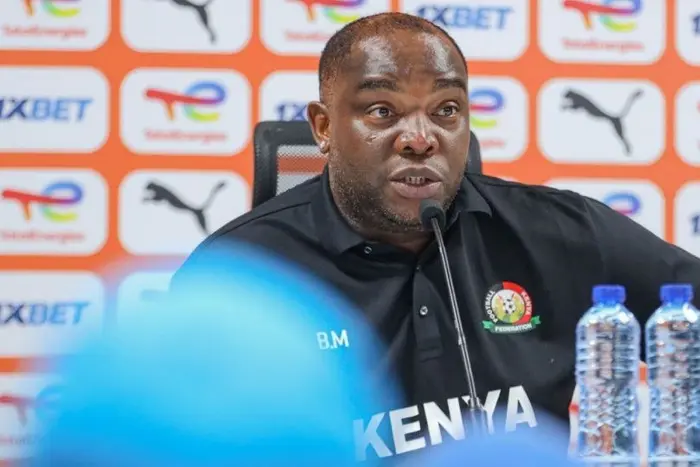
South African gaffer Benni McCarthy has triggered a critical structural examination across the East African sports landscape because high-profile coaching assets navigate the pull between international assignments and the relentless market demand of European club setups.
A definitive moment of friction has emerged within the Kenyan national team camp, where the head coach recently voiced a profound emotional and professional readiness to return to English football. This public declaration introduces significant strategic ambiguity at a monumental juncture for the domestic sport.
Football Kenya Federation (FKF) officials are currently spearheading long-term technical preparations to host the continent, placing an immense burden of performance on a coaching department that may be eyeing a career pivot.
Read Also: Rio Ferdinand To Open International Doors For Arusha Through AFCON 2027
Evaluating the situation beyond the immediate headlines reveals a complex intersection of sporting economics, contractual vulnerability, and infrastructure policy. Modern international management demanding a three-year tournament build-up frequently collides with the career velocity expected by ambitious, younger tactical minds. Having established his backroom credentials inside elite English Premier League structures at Manchester United, the South African tactician occupies a specific tier of global visibility. Managing this administrative uncertainty remains paramount for the sports administration in Nairobi to prevent a systemic disruption of the senior national squad during a vital development phase.
Technical Performance Analysis: Tracking Tactical Continuity Versus Coaching Volatility
Historical trajectories within the Kenyan national football team have been consistently undermined by a lack of long-term tactical continuity, primarily driven by rapid coaching turnover. Statistical models tracking national squad progression indicate that tactical systems require a minimum of twenty-four months of uninterrupted executive direction to achieve fluid positional synchronization. Baseline passing metrics, defensive structural chemistry, and set-piece execution percentages experience immediate statistical decay when a technical bench undergoes abrupt leadership adjustments. Maintaining a rigid, predictable playing philosophy remains non-negotiable if the nation intends to compete against elite continental powerhouses.
| Tactical System Dimension | Traditional Volatile Coaching Cycle | Progressive Stable Technical Framework |
| Squad Chemistry Retention | Frequent roster overhauls based on changing personal preferences | Multi-year tactical progression with a consistent core roster |
| Data Analytics Integration | Basic video review with minimal emphasis on physical tracking | GPS performance monitoring and biometric load management |
| Playing Style Definition | Low-block emergency defending reliant on individual athletic isolation | Structured positional rotation and high-intensity counter-pressing |
Transitioning toward a modern, possession-oriented tactical blueprint demands absolute psychological commitment from the head coach down to the grassroots developmental tiers. Introducing complex geometric passing patterns and high-altitude pressing traps requires repetitive laboratory-style training camps over multiple international windows. Authority can be subtly compromised if the leadership displays public ambivalence regarding their long-term presence on the bench, which ultimately slows down player buy-in. Securing a definitive contractual commitment or enacting immediate structural contingency plans is the only path to safeguard the tactical identity of the senior team.
Economic Policy Assessment: Protecting National Sports Infrastructure Capital Investments
Timing surrounding this technical bench uncertainty presents a unique administrative challenge for the government ministries funding the transformation of the local sports economy. Government officials have deployed unprecedented capital allocations to implement an aggressive, state-backed infrastructure modernization framework designed to place the country at the center of international sports tourism. Massive financial outlays are currently driving the extensive structural renovations at the Moi International Sports Centre Kasarani and Nyayo National Stadium. Simultaneously, developers are executing high-speed construction phases on the multi-billion shilling Talanta Stadium project in Nairobi.
Economic logic underpinnings these massive multi-billion shilling funding injections extends far beyond mere tournament hosting logistics. State economists view modern stadium infrastructure as a powerful engine for urban development, youth employment creation, and long-term commercial broadcasting revenue generation. However, true returns on investment for these world-class synthetic surfaces and hybrid grass installations rely heavily on the competitive quality of the home team. World-class sports arenas require a world-class, highly stable national team to fill seats, attract global corporate sponsorships, and secure lucrative international broadcasting rights.
Macro-Sporting Dilemma: The Magnetic Pull of European Club Competition
Analyzing the motivations driving modern tacticians reveals why the daily pressure of the English football league system remains an unmatched draw compared to international management. International calendars introduce long stretches of administrative inactivity between FIFA windows, even though leading an ambitious African nation toward a historic home tournament offers immense prestige. Elite modern coaches thrive on the relentless, high-intensity rhythm of weekly club football, where technical patterns can be tested, broken, and refined across a forty-six match domestic calendar. Opportunities to control daily training micro-cycles, direct active transfer market operations, and build a localized football culture represent compelling career accelerators.
Fading from the thoughts of European club decision-makers during an international cycle remains a real professional concern for a young manager eager to demonstrate his tactical adaptability. This structural reality forces national football federations in emerging markets to rethink how they construct executive coaching contracts. Modern agreements must incorporate strict performance milestones, substantial release clauses, and integrated youth academy oversight to align the personal ambitions of the coach with the systemic goals of the host nation. Navigating this delicate balance determines whether local football can successfully transition into a global powerhouse or remain a stepping stone for international coaching talent.