
Kiambu Devolved Healthcare Paradigm Shifts Subnational Infrastructure Development Priorities

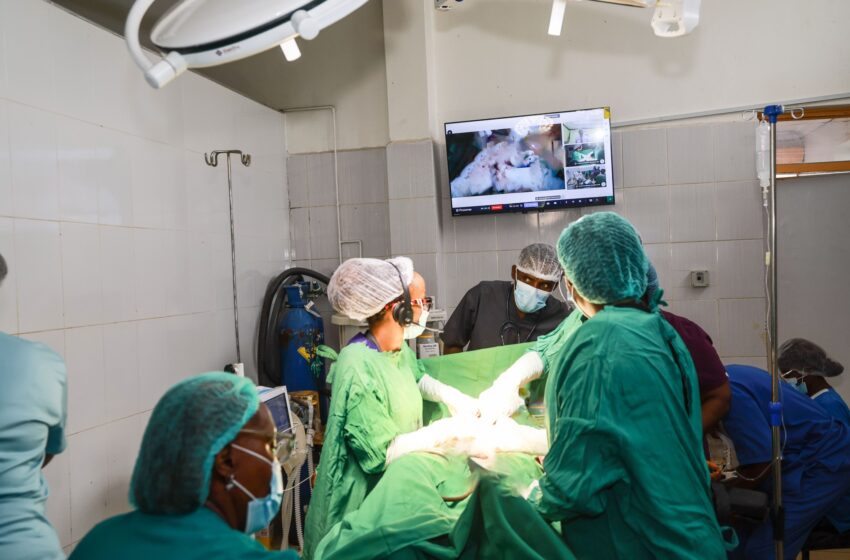
Subnational healthcare infrastructure within emerging economies is undergoing a deep structural transformation. Devolved governance units in Kenya manage public health systems under strict resource constraints, frequently dealing with severe deficits in specialized medical personnel. Integrating cloud-based surgical telepresence platforms within Kiambu County represents a calculated move away from traditional, isolated operating rooms toward interconnected clinical ecosystems.
According to various medical explanations these digital networks utilize internet connectivity and high-definition audiovisual arrays to transmit live procedures securely. Local clinical personnel can seamlessly access global institutional expertise without transferring high-risk patients across geographic boundaries.
Read Also: Top Comoros Official Hospitalized in Nairobi Amid Rising Tensions in Moroni
Building an interconnected medical network requires close coordination between county executive departments and regional referral hospital administrations. The adoption of advanced clinical operating systems creates a unified data architecture where local clinical practices undergo continuous evaluation. A check on the technological approach reviews that it helps shield subnational health systems from execution delays, ensuring specialized care is consistently delivered at the grassroots level.
Strategic Trajectories for Digital Surgery Platforms
| Evaluation Metric | Traditional Regional Theatre Framework | Digitized Smart Theatre Infrastructure | Long-Term Healthcare Impact |
| Specialist Access | Requires physical travel of consultants or high-risk patient referrals to national hubs | Real-time virtual collaboration with global experts via augmented reality tools | Complete elimination of geographical location as a barrier to specialized clinical care |
| Surgical Training | Restricted to physical onlookers, leading to overcrowded operating environments | Scalable remote streaming to multiple lecture halls and sub-county clinics | Rapid acceleration of specialized skill acquisition for resident doctors and nurses |
| Quality Assurance | Dependent on post-operative file audits and retrospective case reviews | Secure digital recording libraries for multi-institutional peer review | Standardized clinical compliance protocols across all subnational healthcare units |
| Data Architecture | Manual, fragmented paper-based records with localized storage limitations | De-identified, secure cloud storage aligned with strict data protection acts | High-value clinical research repositories driving evidence-based health policies |
Architectural Scaling and Cloud-Based Telepresence Execution
Implementing digital surgery systems depends heavily on robust cloud computing frameworks and secure data pipelines. Operating environments feature multi-camera setups that broadcast synchronized, low-latency audio and video feeds to remote consultants. Specialists can virtually “scrub in” to provide direct feedback, using augmented reality overlays to guide complex incisions in real time.
Deploying these high-tech systems requires strict data privacy controls to safeguard sensitive patient identities. Modern clinical platforms use automated de-identification software to obscure personal markers on diagnostic scans and visible physical features. This processing occurs within encrypted institutional cloud environments, allowing public health units to uphold patient confidentiality while benefiting from global knowledge networks.
The long-term success of telemedicine infrastructure relies on continuous technical training for biomedical engineers and local IT personnel. Public-private partnerships play a vital role in keeping these complex digital systems operational, protecting them from connectivity drops or hardware failures. Upgrading rural operating rooms to smart facilities enables devolved units to maximize the impact of their medical budgets.
Collaborative Governance and Inter-County Capacity Building
Subnational development strategies are increasingly focusing on technology-driven partnerships to improve public service delivery. Establishing shared digital repositories allows multiple administrative units to run collaborative peer-review sessions. This cooperative structure breaks down regional isolation, enabling medical teams from different counties to learn from each other’s complex cases.
Virtual mentorship models allow regional referral hubs to act as primary training centers, lifting the clinical standards of surrounding sub-county facilities.
This approach creates a more balanced distribution of medical expertise, reducing the heavy patient burdens typically carried by national referral institutions. Moving toward dialogue-driven, tech-enabled medical governance allows local leaders to build sustainable, self-sufficient health networks. Managing these high-tech programs requires strong administrative leadership to align regional infrastructure investments with national health policies.
Strategic Resource Allocation and Workforce Optimization
Sustaining modern digital health platforms requires a deliberate shift in how county budgets are allocated. County assemblies must back targeted investments in high-speed digital connectivity and modern biomedical equipment to keep pace with global technological trends. Prioritizing tech-driven health budgets is essential for overcoming chronic medical workforce shortages in rural regions.
Targeted Capacity Building
Public health departments must design structured virtual training programs to quickly upgrade the skills of rural medical staff. These continuous professional development initiatives help retain specialized talent within counties by providing access to world-class learning networks.
Read Also: Rio Ferdinand To Open International Doors For Arusha Through AFCON 2027
Equitable Healthcare Access Models
Integrating remote specialist consultations into standard county health systems helps bridge the gap between urban and rural medical services. This balanced approach protects low-income households from catastrophic medical travel costs, ensuring high-quality surgical care is available across all sub-counties.