
Gachagua Impeachment Ruling Becomes Landmark Test of Kenya Constitutional Democracy

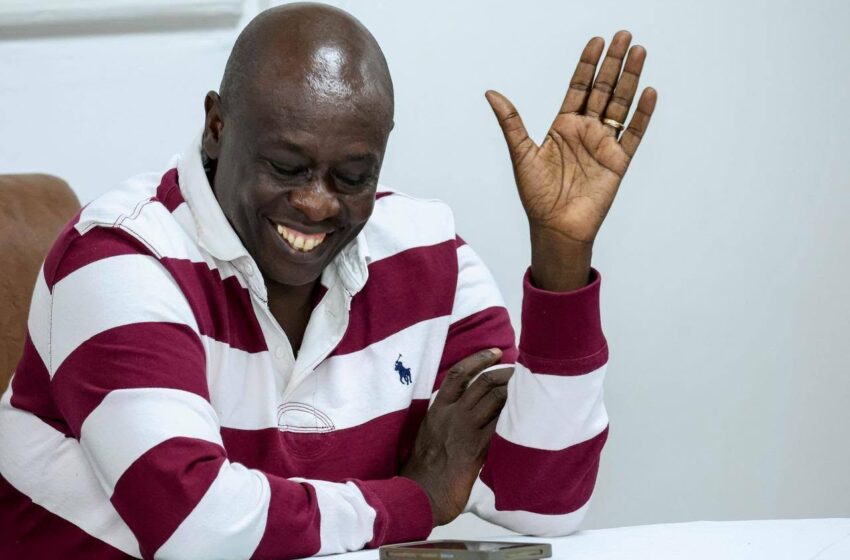
Kenya hit a profound legal crossroads on Monday, June 8, 2026, when the High Court delivered its night judgment on the ouster of former Deputy President Rigathi Gachagua. The ruling represents a major turning point in the country’s post-2010 constitutional journey. It attempts to balance intense political realities with the strict demands of statutory law.
Former Law Society of Kenya President Eric Theuri quickly targeted the bench’s logic , as he argued that the decision operates as a political compromise rather than a clean application of constitutional principles. Theuri’s public critique centers on a glaring systemic contradiction inside the final text of the verdict.
The three-judge bench opted for an unprecedented middle path. The court validated the substantive removal of Gachagua from the presidency while simultaneously awarding him Ksh50 million in civil damages. This monetary award directly penalizes the Senate for violating the former Deputy President’s right to a fair hearing.
This mixed outcome has triggered an intense national debate regarding judicial independence in high-stakes political trials. Legal scholars are openly questioning whether the judiciary chose to protect state stability at the expense of pure constitutional fidelity. The judgment leaves Kenya with a dual reality where an official process can be deemed fundamentally flawed yet legally permanent.
Also Read: Top Comoros Official Hospitalized in Nairobi Amid Rising Tensions in Moroni
Constitutional Law Contradictions In Kenya High Court Judgment
The structural core of this controversy rests on what Theuri labels a legal absurdity. Traditional jurisprudence dictates that any state action executed in violation of basic human rights must be declared null, void, and of no legal effect. The High Court explicitly found that the Senate breached Gachagua’s right to a fair trial by denying an adjournment during a medical emergency.
Standard constitutional logic demands that finding a process unconstitutional in its execution invalidates the entire outcome. Instead, the court allowed the political removal to stand while offering a financial payout as a substitute remedy. This maneuver effectively decouples a severe constitutional infraction from its mandatory institutional consequences.
“The Constitution expressly provides that any decision in violation of rights is void,” Theuri stated. He challenged the logic of allowing an illegal process to serve as a permanent barrier to holding future public office.
This specific legal path introduces dangerous unpredictability into Kenyan constitutional interpretation. Critics suggest the bench performed complex judicial maneuvers to protect the stability of the executive arm of government. By doing so, the court may have established a precedent where state organs can bypass due process if they are willing to pay the resulting fines.
Fair Hearing Violations Versus Institutional Authority
The Gachagua trial exposed a massive structural friction between parliamentary sovereignty and individual protections under Article 50 of the Constitution. The Senate chose to push forward with cross-examinations and the final impeachment vote despite clear communication that the accused was hospitalized. Parliament argued that its strict constitutional timelines for impeachment overrode individual procedural requests.
The High Court pushed back against this absolute view of parliamentary power. The bench reemphasized that legislative bodies do not operate in a legal vacuum outside the Bill of Rights. The refusal to grant a brief pause to an incapacitated state officer represents a direct departure from established fair trial standards.
However, by replacing the restoration of office with a Ksh50 million monetary award, the court created a problematic remedy framework. This approach implies that institutional violations of core political rights can simply be managed as financial liabilities. Taxpayer funds are now being deployed to offset the procedural shortcuts taken by elected senators.
This framework weakens the protective shield of the Bill of Rights. If the state can validate an illegal removal by paying damages, the structural security offered to minority political figures collapses. The judgment changes a fundamental right into a negotiable operational cost for the ruling coalition.
Comparative Analysis of High Court Decisions in State Officer Impeachments
To evaluate how this 2026 ruling shifts Kenyan public law, we must compare it to previous landmark impeachment challenges. The matrix below contrasts how the judiciary has treated procedural errors and final remedies across different administrations.
|
Impeachment Case Reference |
Primary Constitutional Challenge Evaluated |
Judicial Finding on Due Process Infractions |
Final Remedy and Systemic Outcome Provided |
|
Rigathi Gachagua (2026) |
Denial of fair hearing due to medical emergency adjournment rejection. |
Substantive Article 50 violation established by the bench. |
Impeachment upheld; Ksh50 million awarded in civil damages. |
|
Mike Sonko (2021) |
Lack of verified public participation and flawed county voting processes. |
Procedural thresholds deemed legally sufficient under the law. |
Impeachment fully sustained; all subsequent appeals dismissed. |
|
Martin Wambora (2014) |
Direct violation of conservatory court orders halting Senate debates. |
Multiple structural and statutory compliance failures identified. |
Impeachment initially nullified before later political reinstatement. |
This historical comparison reveals an evolving judicial strategy in handling high-profile political exits. The Gachagua verdict marks the first time a Kenyan court has paired an explicit finding of an unconstitutional process with a refusal to reverse the resulting political penalty.
Economic and Policy Implications for Kenya Public Administration

The fallout from this judicial compromise reaches deep into Kenya’s broader governance and economic landscape. Public administration relies entirely on predictable legal frameworks to attract international investments and maintain domestic market confidence. Unpredictable constitutional rulings signal heightened sovereign risk to global financial observers.
When international lenders see courts backing away from strict enforcement of the Bill of Rights during political crises, risk premiums rise. The stability of the executive office should depend on unwavering adherence to the law, not on judicial compromises designed to prevent political friction. The current ruling threatens Kenya’s standing as a rules-based regional hub.
Furthermore, utilizing public revenues to pay out personal damages for legislative failures sets a terrible fiscal policy precedent. The Kenyan taxpayer bears the financial burden of an illegal process driven by political haste in the Senate. This dynamic shields individual lawmakers from the direct consequences of violating the Constitution they swore to protect.
This structural loop highlights the need for new laws establishing personal financial liability for state officers who intentionally violate due process. Without personal accountability, the guardrails of public administration will continue to be ignored for short-term political gains.
Legal Precedents and Future Court of Appeal Battles
The legal battle over the Gachagua judgment is far from over, with the dispute now moving rapidly toward the Court of Appeal. The structural tension between identifying an illegal process and maintaining its political outcome remains highly unstable. Appellate judges will have to resolve this fundamental contradiction.
Theuri’s open warning regarding a captured judiciary reflects a growing crisis of confidence among senior legal professionals. Rebuilding trust in the independence of the courts requires a definitive, principled judgment from the higher courts. The upcoming appellate review will serve as a crucial test for Kenya’s judicial integrity.
Also Read: Rio Ferdinand To Open International Doors For Arusha Through AFCON 2027
Future arguments will focus heavily on defining the limits of judicial remedies under Article 23. The appellate bench must clarify whether financial compensation can ever legally replace the restoration of a democratically elected public office. If the Court of Appeal confirms this logic, it will fundamentally redefine the balance of power between the judiciary, the legislature, and the executive.
The final outcome of this case will permanently shape the limits of executive power and legislative overreach in Kenya. It will either reaffirm the supremacy of individual constitutional protections or lock in a system where political expediency overrides the supreme law of the land.