
Kenya Tea Value Addition Strategy Boosts China Investment Opportunities

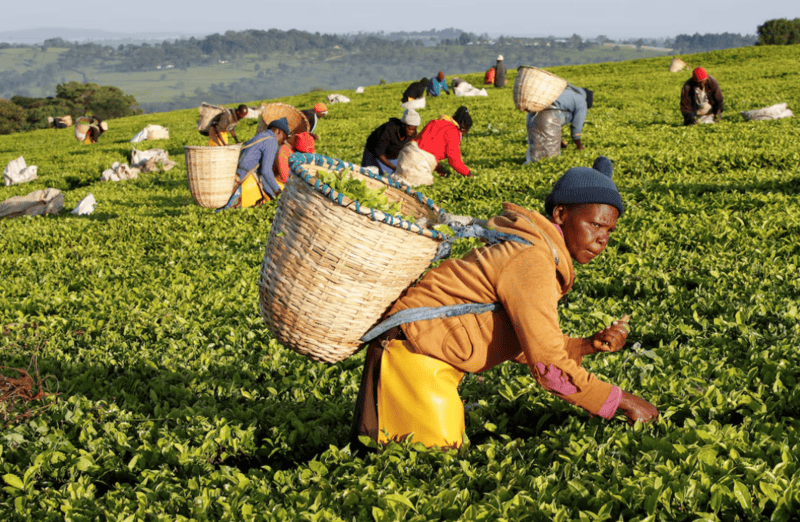
Kenya tea value addition strategy is reshaping the country’s agricultural economy as policymakers and industry leaders push for a shift from raw bulk exports to processed and packaged tea products. The goal is simple but powerful: keep more profit within Kenya instead of exporting raw tea leaves and allowing foreign markets to capture the highest value.
China has emerged as a key partner in this transformation. Through expanded trade cooperation and agribusiness investment discussions, Kenya is positioning its tea sector as a manufacturing hub rather than just an export supplier.
This shift is not just about trade. It reflects a broader economic strategy focused on industrialization, job creation, and stronger global competitiveness.
Also Read: Top Comoros Official Hospitalized in Nairobi Amid Rising Tensions in Moroni
Why Kenya Tea Value Addition Strategy Matters
Kenya is the world’s leading exporter of black tea, but most of it is still sold in bulk form. This means the tea is often packaged, branded, and sold in other countries, reducing Kenya’s share of final retail profits.
The Kenya tea value addition strategy aims to change this by focusing on:
- Local processing of raw tea
- Packaging within Kenya
- Branding for international markets
- Manufacturing tea-related products
By doing this, Kenya can move from being a raw exporter to a global tea manufacturing player.
Kenya Tea Value Addition Strategy and China Investment Growth
China’s growing role in Kenya’s agricultural sector is driven by trade agreements, industrial cooperation, and rising demand for specialty tea products.
Kenya is now encouraging foreign investors, especially from China, to invest in:
- Tea processing factories
- Packaging material production
- Agricultural machinery supply chains
- Export-oriented manufacturing plants
This creates a full ecosystem where tea is not just grown but fully processed within Kenya.
Economic Shift From Bulk Export to Manufacturing
For decades, Kenya’s tea industry relied heavily on bulk exports. While this model generated revenue, it limited long-term growth.
The new direction focuses on industrial transformation.
Comparison of Traditional vs Value Addition Model
| Factor | Bulk Export Model | Value Addition Model |
|---|---|---|
| Export Form | Raw tea leaves | Packaged branded tea |
| Profit Margin | Low | High |
| Job Creation | Limited | High in factories |
| Investment Type | Farming focused | Manufacturing focused |
| Global Position | Supplier | Brand competitor |
This shift is critical for long-term economic sustainability.
China Role in Kenya Tea Processing and Technology
China is already involved in Kenya’s tea value chain through:
- Processing technology transfers
- Packaging machinery supply
- Direct investment in local factories
- Digital trading platforms for agricultural goods
These partnerships help Kenya modernize its production systems and improve efficiency in tea processing.
At the same time, Kenya benefits from access to China’s massive consumer market through reduced trade barriers and expanded export opportunities.
Why Value Addition Creates More Jobs in Kenya
One of the strongest arguments for this strategy is employment creation.
When tea is processed locally, it creates jobs in:
- Factory operations
- Packaging and labeling
- Logistics and transport
- Quality control and export management
Employment Impact Comparison
| Stage | Employment Level |
|---|---|
| Tea farming only | Low |
| Bulk export system | Medium |
| Full value addition system | High |
This makes value addition a key driver of rural and urban job growth.
Challenges Facing Kenya Tea Value Addition Strategy
Despite progress, several challenges remain:
1. High Production Costs
Energy, labor, and logistics costs can reduce competitiveness.
2. Limited Processing Capacity
Not all regions have modern tea factories.
3. Branding Gap
Kenya still lacks strong global tea brands compared to competitors.
4. Investment Dependence
Heavy reliance on foreign investors may create long-term risks.
Also Read: Rio Ferdinand To Open International Doors For Arusha Through AFCON 2027
Opportunities for Kenya in Global Tea Markets
Even with challenges, Kenya has strong advantages:
- Ideal climate for tea production
- Year-round harvesting
- Established global reputation
- Strong export networks
With proper investment, Kenya can expand into:
- Premium specialty teas
- Organic tea markets
- Branded retail tea products
- Health-focused tea products
Key Takeaway
Kenya tea value addition strategy is not just an agricultural policy. It is an economic transformation plan aimed at shifting Kenya from a raw exporter to a global tea manufacturing and branding hub, with China playing a growing investment role.

