
Kenya Tea Export Levy Impact on Murang’a Farmers, Global Trade Competitiveness Implications

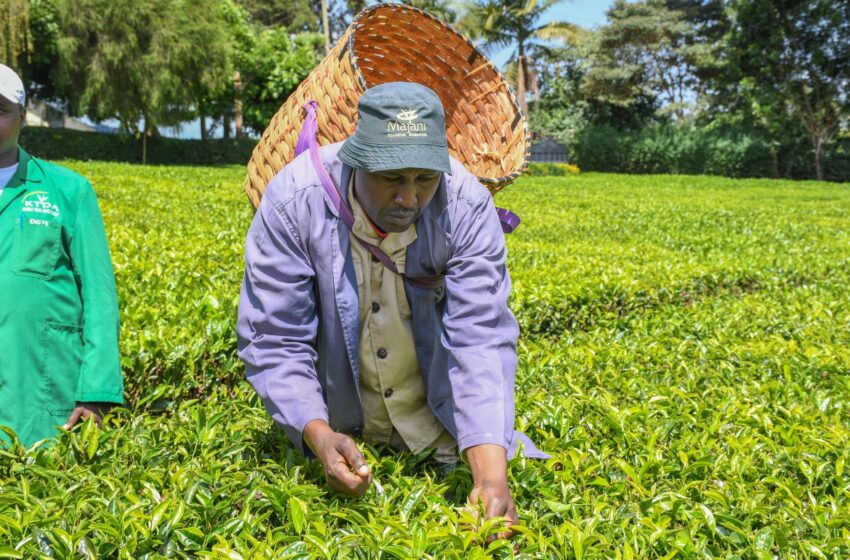
Kenya tea export levy concerns are rising rapidly following the introduction of the proposed Tea Levy Regulations 2026. Smallholder growers across Murang’a County have launched strong opposition against the state’s plan to inject a new 0.8 percent tax on all tea shipments leaving the country. This fiscal policy update comes at a vulnerable moment for local agriculturalists who are already dealing with unprecedented structural inflation.
International commodity buyers look for stability, cost efficiency, and predictable supply chains when sourcing premium agricultural products. Imposing additional tariffs at the port of exit directly threatens the carefully built position Kenya holds in global trade. Local farming clusters warn that this regulatory change will trigger long-term structural shifts in how international blending houses distribute their procurement budgets.
Farming families across the central region stress that their current profit margins cannot sustain another financial hit. The international market responds instantly to price changes, meaning even a small increase can push major buyers toward cheaper alternatives. Rural communities depend entirely on these agricultural returns to sustain their local economies, pay school fees, and invest back into their lands.
The Economic Burden of the Tea Levy Regulations 2026
The structural framework of the Tea Levy Regulations 2026 establishes a uniform 0.8 percent export charge calculated against the gross auction value or the declared customs value for direct overseas contracts. Government agencies project that this measure will generate approximately Sh1.4 billion on an annual basis to fund sector upgrades. State planners intend to channel these millions into aggressive global market promotion, advanced agronomic research, strict quality assurance protocols, and localized processing infrastructure.
Farming cooperatives view the situation through a completely different economic lens. Millions of rural households depend on the net monthly and annual bonus payments distributed by regional factories. Adding operational friction at the shipping point compresses the margins of the entire value chain.
Exporters will naturally protect their operational margins by passing the 0.8 percent fiscal burden backward to the processing stations. Regional processing plants will then be forced to adjust their payout rates downward. This economic reality means the rural smallholder ultimately absorbs the state tax through smaller annualized returns.
Also Read: Rio Ferdinand To Open International Doors For Arusha Through AFCON 2027
The cascading effect of this policy means that the money intended for infrastructure development is effectively pulled directly from the pockets of rural families. Cooperative leaders argue that charging an export tax penalizes local growth instead of supporting it. They believe the state must find a better way to generate revenue that does not hurt the actual producers.
The sudden shift in policy has triggered intense political friction as well. Lawmakers from major tea-growing regions have publicly demanded the suspension of the levy, estimating that the broader farming community could witness annualized collective losses extending up to Sh5 billion. With processing hubs already experiencing lower absorption rates on the auction floor, forcing this tariff into law has united both independent growers and localized factory boards in vocal opposition.
Global Tea Market Competitiveness Matrix
Kenya operates within a highly sensitive international marketplace where minor price variations dictate massive purchasing shifts. Global packaging brands maintain highly flexible procurement strategies that allow them to alter their sourcing ratios based on marginal cost adjustments.
| Competitor Nation | Average Cost of Production (USD/kg) | Primary Export Destinations | Existing Export Levy / Subsidy Status |
| Kenya | $2.10 – $2.40 | Pakistan, Egypt, UK, UAE | Proposed 0.8% Export Levy |
| Sri Lanka | $2.80 – $3.10 | Middle East, Russia, Turkey | High production costs; zero export tax |
| India | $1.90 – $2.20 | Iran, Russia, USA, UK | Subsidized domestic transport frameworks |
| Vietnam | $1.40 – $1.70 | ASEAN Nations, China, Russia | Highly competitive low-grade pricing |
Data compiled via regional trade desk projections for the 2026 fiscal cycle.
Understanding Price Sensitivity in the Global Auction System
The Mombasa Tea Auction serves as the primary price-discovery mechanism for East African agricultural trade. Buyers from diverse geographic zones bid on lots with clear calculations regarding total landed costs in their home jurisdictions. Introducing a 0.8 percent premium changes the bidding psychology on the auction floor.
International buyers frequently work on razor-thin distribution margins exceeding millions of kilograms annually. A fractional percentage increase shifts large-volume procurement interest toward alternative global origins like India or Vietnam. Regional trade blocks are expanding their domestic planting footprints rapidly, making any artificial inflation of local prices highly dangerous.
When costs go up at the local ports, the final product becomes less attractive to foreign blenders who mix different varieties to keep retail prices down. If Kenyan varieties become too expensive, these corporations simply adjust their recipes to use more leaf from other nations. This flexibility among global corporate buyers means local farmers lose their competitive edge almost instantly.
The long-term danger is that once a buyer leaves the local auction to source from another country, winning them back is incredibly difficult. Brand relationships take decades to build but can dissolve over a few cents’ difference per kilogram. Policy adjustments must protect these fragile commercial relationships at all costs.
Recent auction updates show that unblended bulk purchases have already slowed as international brokers assess the long-term impact of the levy. Key buyers from major consuming hubs like Pakistan have raised immediate concerns regarding transactional costs. Any sustained drop in auction floor activity leaves regional factories holding heavy excess inventory that degrades in quality over time.
Regional Competitors Ready to Seize Market Share
East African neighbors are actively modernizing their agricultural infrastructure to attract global consumer brands. Countries like Uganda, Rwanda, Burundi, and Tanzania are systematically removing trade barriers to position themselves as low-cost alternatives.
Kenyan tea has traditionally commanded a premium because of its superior quality and distinct flavor profile. Market dominance can fade quickly when institutional buyers face persistent cost increases. Corporate supply chain managers will prioritize predictable procurement pricing over minor quality variations if local policies continue to push transactional costs upward.
Furthermore, nearby countries are investing heavily in processing machinery to match the quality standards that Kenya is famous for. As the quality gap closes, price becomes the single deciding factor for international purchasing managers. Introducing an export tax at this specific time provides regional competitors with a massive commercial advantage.
Local agricultural unions note that buyers are already leveraging the zero-tax status of neighboring ports to negotiate aggressive discounts. If local output remains artificially high due to government tariffs, global blenders will simply re-route their transport logistics to neighboring trade corridors. This leaves local producers with highly specialized, expensive yields that face limited market access.
Read Also: Tea Export Strategy: Kenya Unveil Aggressive Plan to Conquer Emerging International Markets
Why Murang’a County Farmers Face Rising Production Costs

Smallholder fields across Murang’a County serve as the backbone of the local agricultural economy. These steep hillsides produce high-quality green leaf, but the physical environment presents serious logistical difficulties. Operational expenses have risen sharply over the past thirty-six months, leaving rural families with minimal financial buffers.
Standard NPK fertilizer blends have experienced major supply chain disruptions, keeping retail prices high for rural self-employed growers. Without proper fertilization, the yield per acre drops significantly, reducing the total volume a farmer can deliver to the collection center. This creates a cycle where farmers spend more money but harvest less product.
Seasonal hand-plucking costs have risen because younger generations are migrating away from rural villages toward urban employment hubs. Finding reliable labor during peak harvest seasons has become a significant headache for older landholders. Owners must offer higher daily wages to secure workers, further draining their potential profits.
Moving delicate green leaf from remote mountain collection centers to centralized processing hubs requires constant fuel consumption under volatile national petroleum pricing structures. Bad weather can wash out rural roads, turning a short trip to the factory into a long, expensive ordeal. Every delay reduces the quality of the leaf, which directly lowers the final grade at the auction.
Green leaf delivery requires immediate processing to prevent spoilage and maintain premium quality grades. Rising electricity tariffs have simultaneously driven up the internal operating costs of the KTDA-managed factories. Farmers are forced to pay more for processing even before their finished product reaches the coastal shipping yards.
The severe combination of these local overhead expenses means that rural households operate on the edge of profitability. When additional regulatory fees are introduced at the point of export, factories must reconcile those losses by cutting back on the year-end secondary payments that families use to pay for school tuition, health services, and farm maintenance.
Alternative Funding Mechanisms for Agricultural Infrastructure
The state’s desire to secure Sh1.4 billion for sector stabilization is understandable, but the choice of collection mechanism remains deeply flawed. Sector analysts argue that funding long-term research and infrastructural upgrades should not depend on taxing the export volume directly.
Optimizing Internal Value Retention
Alternative strategies exist to raise development capital without harming international trade relationships. The government could optimize the existing internal tax revenues collected from domestic processing chains. Redirecting a percentage of corporate taxes paid by agricultural multinational operations back into rural research centers offers a non-disruptive funding route.
This internal redistribution ensures that the industry funds its own growth without increasing the final price tag on global store shelves. It keeps the export price clean and predictable for international partners. Public revenue generation should look at internal efficiency rather than placing an extra tax on outbound cargo.
Structuring Public-Private Research Partnerships
Global beverage corporations maintain a strong interest in preserving the quality of Kenyan raw materials. Leveraging these corporate relationships through public-private partnership models can secure direct investments for modern processing machinery. This strategy funds modernization without placing an active fiscal burden on smallholder families.
International brands are often willing to co-fund sustainability projects because it secures their supply chain for the future. By partnering with these global giants, the local industry can access advanced technology and research grants. This collaborative approach solves the funding problem without using aggressive taxation strategies.
Expanding Domestic Value-Addition Initiatives
Sourcing funds through domestic value-addition programs provides another sustainable alternative path. Taxing raw bulk exports penalizes local production while incentivizing international packaging plants. The state should offer fiscal rewards for local packaging operations, generating organic revenue through high-value finished products sold directly to premium overseas consumer segments.
When tea is blended and packaged locally, it creates jobs and retains a much higher percentage of the final retail value within the country. The taxes generated from these local packaging facilities can then be used to fund the wider industry. This shifts the economic strategy from taxing a raw export to building a wealthy domestic manufacturing sector.
The current regulations explicitly exempt finished retail packages under ten kilograms, which is a step in the right direction to encourage domestic processing. However, local packing companies require accessible capital, tax reliefs on packaging materials, and dedicated trade hubs to successfully scale up their value-addition lines to meet global corporate demands.
Key Takeaways for Agricultural Stakeholders
-
Direct Threat: The proposed 0.8 percent export levy reduces the immediate market competitiveness of premium local products at international auctions.
-
Margin Compression: Smallholder growers in locations like Murang’a County will absorb the new tariff through lowered factory payouts.
-
Competitor Advantage: Regional markets such as India, Vietnam, and Uganda stand to gain market share if local transactional pricing faces artificial inflation.
-
Strategic Alternatives: Government agencies should pivot toward public-private infrastructure investments rather than taxing direct outbound shipping volumes.
Navigating the Future of Kenyan Agriculture Policy
Balancing state revenue goals with rural economic stability requires careful policy adjustments. The Ministry of Agriculture must listen closely to the warnings raised by rural cooperatives before finalizing the Tea Levy Regulations 2026. Forcing a new tax onto an industry dealing with high input inflation could cause irreversible damage to international trade partnerships.
Also Read: Top Comoros Official Hospitalized in Nairobi Amid Rising Tensions in Moroni
The state maintains that a ring-fenced Tea Fund will eventually stabilize prices during severe global downturns, but farmers remain highly skeptical of long-term bureaucratic promises over immediate cash flow needs. If processing centers are forced to manage lower auction values alongside higher energy costs, their resilience will erode before any stabilization payouts ever materialize.
Protecting the welfare of smallholder families ensures the long-term survival of the entire agricultural network. Sustainable growth requires removing operational friction rather than adding new regulatory costs. Policy frameworks must defend the financial health of the people working on the ground to keep local products competitive on the global stage.
The final decision on this levy will shape the agricultural landscape for years to come. If the government pushes forward without farmer consensus, it risks reducing the motivation of the people who keep the industry alive. A cooperative approach that builds up the smallholder is the only true way to guarantee long-term prosperity.

