
Kenyan Journalists Equal Pay Debate Shapes Media Labour Rights

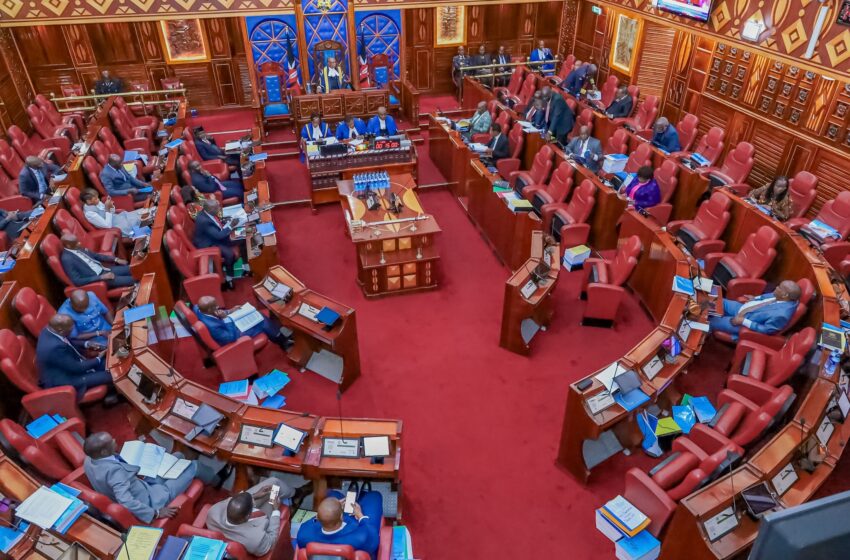
The issue of equal pay for Kenyan journalists working for international media organisations has become an increasingly important topic in discussions about labour rights, workplace fairness, and ethical employment practices.
While public debate often intensifies following political statements or individual complaints, the underlying questions remain relevant regardless of current events. How should employers determine compensation? Can workers performing similar duties receive different salaries? And what protections exist under Kenyan law?
These questions matter not only for journalists but also for professionals across industries where multinational employers operate.
Also Read: Top Comoros Official Hospitalized in Nairobi Amid Rising Tensions in Moroni
Why Equal Pay Matters in Journalism
Journalism depends on skilled professionals who gather information, verify facts, and produce stories under demanding conditions. Whether covering politics, business, conflict, or climate issues, reporters often face similar responsibilities regardless of nationality.
When employees believe pay structures are unfair or lack transparency, workplace morale and retention can suffer. Conversely, clear compensation policies help organisations attract talent and maintain trust among staff.
Fair pay is therefore both a legal and business issue.
Understanding Equal Pay for Equal Work
The principle of equal pay for equal work generally means that employees performing substantially similar duties should not face unjustified differences in compensation based on discriminatory factors.
However, identical salaries are not always required. Employers may lawfully consider factors such as:
| Factor | May Legitimately Affect Pay? |
|---|---|
| Experience and qualifications | Yes |
| Leadership responsibilities | Yes |
| International relocation costs | Yes |
| Hardship or security allowances | Yes |
| Performance incentives | Yes |
The key question is whether differences are based on objective business reasons rather than unlawful discrimination.
International Media Organisations and Local Employment
Many global news organisations maintain regional bureaus in Kenya because of the country’s strategic importance for East African coverage.
These operations often employ a mix of local reporters, editors, photographers, producers, and foreign correspondents. Compensation packages may differ depending on contractual arrangements, tax obligations, travel requirements, insurance coverage, or relocation expenses.
Even so, transparency remains essential to ensuring employees understand how remuneration decisions are made.
Common Workplace Concerns Among Journalists
Media professionals around the world frequently raise questions about career progression, freelance rates, contract security, and promotion opportunities.
Some of the most common concerns include:
| Workplace Issue | Why It Matters |
|---|---|
| Salary transparency | Builds trust between employers and staff |
| Freelance compensation | Supports sustainable careers |
| Promotion opportunities | Encourages professional growth |
| Workplace discrimination | Protects equal treatment |
| Whistleblower safeguards | Allows concerns to be raised safely |
Addressing these issues can improve organisational culture while strengthening public confidence in news institutions.
Kenyan Labour Rights and Employee Protections
Kenya’s legal framework provides protections against workplace discrimination and supports principles of fairness in employment relationships.
Employees who believe they have experienced unequal treatment may seek clarification through internal human resource processes, labour authorities, or legal channels where appropriate.
Employers, meanwhile, benefit from maintaining documented compensation policies and objective performance criteria to demonstrate consistency in decision-making.
Economic Importance of Fair Compensation
Competitive and transparent pay practices have implications beyond individual workers.
Fair employment standards help retain experienced professionals, reduce turnover, and encourage investment in local talent. For multinational companies, strong labour practices can also enhance reputation and reduce legal or operational risks.
In the media industry specifically, experienced journalists contribute to investigative reporting, institutional knowledge, and editorial quality that benefit audiences over the long term.
How Organisations Can Promote Workplace Fairness
Experts often recommend several practical measures to reduce disputes over compensation and treatment:
-
Conduct regular pay reviews.
-
Clearly define job responsibilities.
-
Publish objective promotion criteria.
-
Maintain confidential reporting channels.
-
Train managers on workplace equality and labour compliance.
These measures can strengthen accountability while creating a more inclusive working environment.
Frequently Asked Questions
Can employees performing similar work receive different salaries?
Yes. Differences may be justified by factors such as experience, contractual obligations, location, leadership duties, or specialised expertise, provided they comply with applicable labour laws.
Are freelance journalists covered by labour protections?
The answer depends on the nature of their contractual relationship and the governing legal framework, but fair contracting practices remain an important industry consideration.
Why is salary transparency important?
Transparency helps employees understand compensation decisions, reduces misunderstandings, and promotes confidence in organisational policies.
Do multinational employers have different obligations?
International organisations operating in Kenya are generally expected to comply with applicable local employment laws while also following their own internal policies and contractual commitments.
Also Read: Rio Ferdinand To Open International Doors For Arusha Through AFCON 2027
Conclusion
The conversation about equal pay for Kenyan journalists reflects broader issues affecting modern workplaces across many sectors.
As international employers expand their presence in emerging markets, transparent compensation practices, respect for labour rights, and open communication with employees will remain essential for building resilient organisations and maintaining public trust.
Rather than being limited to one investigation or one employer, the debate serves as a valuable reminder that fairness and accountability are fundamental components of sustainable employment in today’s global economy.