
Mary Moraa’s British Rival Keely Hodgkinson Eyes New Challenge Beyond 800m Success

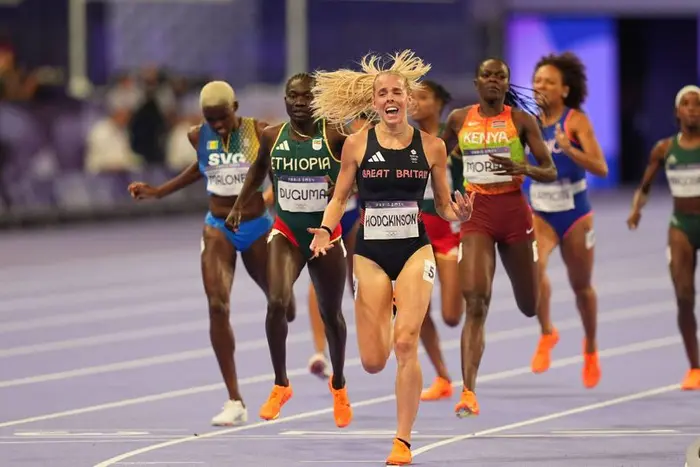
Women’s 800-metre running has entered a highly competitive era defined by fast finishes, tactical racing, and rising global rivalries. Kenya’s Mary Moraa and Britain’s Keely Hodgkinson stand among the most influential athletes shaping this new chapter.
Elite performances from both runners have pushed championship standards higher and forced competitors to adapt quickly. Each race featuring these two athletes attracts attention because outcomes often depend on fine margins rather than clear dominance.
Keely Hodgkinson continues to build a reputation as one of Britain‘s most complete middle-distance athletes. Mary Moraa remains one of Kenya’s most unpredictable and explosive talents over two laps of the track. Their contrasting styles create one of the most compelling matchups in modern athletics.
Rise of Keely Hodgkinson in global athletics
Keely Hodgkinson developed into a world-class competitor through consistent progression across junior and senior levels. Early performances signaled rare combination of speed endurance and tactical awareness.
Major championships soon confirmed ability to compete under pressure against experienced international fields. Olympic success in the 800 metres elevated status into global recognition and positioned Britain as a major force in women’s middle-distance running.
Championship racing experience continues to shape decision-making during tightly contested finals. Tactical discipline remains a defining feature of competitive approach in high-pressure environments.
Mary Moraa and the Kenyan middle-distance identity
Mary Moraa represents Kenya’s evolving strength beyond traditional long-distance dominance. Aggressive racing style and powerful finishing ability distinguish approach from many competitors.
Global championships have highlighted Moraa’s ability to control pace changes and respond decisively in final stages. Racing instincts often disrupt pre-race expectations and force opponents into uncomfortable tactical positions.
Kenyan athletics continues to benefit from depth in middle-distance talent, with Moraa emerging as one of the leading figures in this transition era.
Rivalry shaping women’s 800 metres
Competition between Keely Hodgkinson and Mary Moraa has contributed significantly to rising global interest in the 800 metres.
Races involving both athletes frequently produce unpredictable outcomes due to contrasting strategies. Hodgkinson often relies on controlled pacing and strong finishing kicks. Moraa typically introduces aggressive mid-race surges that break rhythm in the field.
Championship environments intensify this rivalry because tactical decisions become more important than raw speed alone. Each encounter adds new layers to their competitive relationship.
Why 400 metres is attracting Hodgkinson
Interest in the 400 metres has grown among several elite middle-distance athletes seeking to improve speed development. Keely Hodgkinson now explores this event as part of broader athletic growth.
One-lap racing demands maximum speed endurance from start to finish. Training adjustments required for this discipline can improve acceleration and finishing strength over longer distances.
Experience gained from shorter races often translates into improved tactical sharpness in 800-metre finals. Sprint development becomes a key factor in closing gaps during high-level competition.
Key differences between 400m and 800m events
| Category | 400 Metres | 800 Metres |
|---|---|---|
| Race structure | One lap sprint endurance | Two-lap tactical race |
| Physical demand | Anaerobic power dominant | Mixed aerobic and anaerobic load |
| Strategy | Fast sustained speed | Pacing and timing critical |
| Tactical element | Moderate | High |
| Recovery needs | High intensity recovery | Balanced endurance conditioning |
Athletes capable of excelling in both events remain rare due to contrasting physiological demands.
How sprinting benefits middle-distance runners
Elite coaches often recommend 400-metre exposure for 800-metre specialists.
Speed improvements gained through sprint training enhance final 200-metre performance. Stronger acceleration helps athletes respond more effectively to tactical surges during championship races.
Improved running economy becomes another advantage, allowing athletes to conserve energy earlier in races.
Confidence under pressure also increases when athletes adapt to faster race environments.
Training demands behind elite performance
World-class middle-distance training requires structured balance between endurance and speed development.
Typical training systems include interval sessions designed to simulate race conditions. Strength training supports injury prevention and power output. Recovery sessions maintain consistency across long competitive seasons.
Elite athletes often train across multiple intensities within a single week. Careful management of workload ensures peak performance during championship periods.
Sports science plays an increasingly important role in monitoring fatigue and optimizing race readiness.
Mental strength in championship racing
Elite competition requires more than physical preparation. Psychological resilience determines performance in tightly contested finals.
Focus levels during race execution often separate medal positions. Decision-making under fatigue becomes critical in final stages of 800-metre events.
Keely Hodgkinson has demonstrated strong composure in major finals. Calm race execution under pressure remains one of strongest competitive advantages.
Mary Moraa brings different psychological strength through aggressive race disruption, forcing competitors into reactive positions.
Life beyond competition track
Professional athletics demands continuous travel, training, and recovery cycles. Personal sacrifices remain part of elite sporting careers.
Social life, relationships, and routine stability often become secondary priorities during peak competitive years. Balancing performance goals with personal well-being requires structured support systems.
Athletes at this level often rely heavily on coaching teams, medical staff, and close family networks.
Connection with Ella Toone
Shared educational background links Keely Hodgkinson with England football international Ella Toone. Both attended the same school in Greater Manchester before rising to elite sport.
Different sporting paths highlight how talent development can emerge from similar environments. Mutual support between athletes from different disciplines often strengthens motivation and professional resilience.
Such relationships demonstrate broader sporting culture beyond individual competition.
Impact of rivalry on global athletics
Women’s 800-metre racing has gained increased global attention due to consistent high-level competition.
Athletes from Kenya, Britain, the United States, and other regions contribute to deep competitive fields. Regular clashes between top performers raise performance standards across championships.
Rivalries like Hodgkinson versus Moraa help generate audience interest and increase visibility of women’s athletics globally.
Could 400m experimentation change Hodgkinson’s career
Exposure to shorter sprint events may enhance Hodgkinson’s long-term competitiveness in the 800 metres.
Improved speed endurance can strengthen finishing ability in championship races. Tactical flexibility also increases when athletes adapt to different race environments.
Career progression often benefits from controlled experimentation across related disciplines.
Careful balance remains important to avoid disruption of primary event specialization.
Future direction of women’s middle-distance running
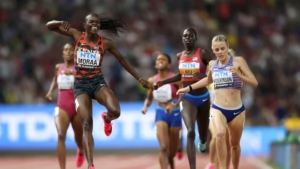
Women’s middle-distance athletics continues to evolve rapidly due to rising global competitiveness.
Performance margins at elite level continue to narrow. Tactical intelligence now plays equal importance to physical conditioning.
Athletes capable of adapting across multiple race formats gain competitive advantage in major championships.
Keely Hodgkinson and Mary Moraa represent this modern evolution through their contrasting strengths and competitive consistency.
Also Read: Famyard Enterprises Ltd Driving Structural Transformation In Mt Kenya Property Investment Sector
How This Competition Is Shaping Modern Athletics
Mary Moraa and Keely Hodgkinson define a new era in women’s 800-metre racing through rivalry, contrasting styles, and consistent championship performances.
Expansion into 400-metre competition adds another dimension to Hodgkinson’s development pathway. Speed gains from shorter races may strengthen future championship performances.
Middle-distance running continues to evolve into a discipline where versatility, tactical intelligence, and psychological strength determine success.
Athletic careers at this level no longer depend on single-event dominance alone. Adaptability and continuous improvement now define long-term success in global track and field competition.

