
Uruguay vs Cape Verde: How Modern Underdogs Exploded Marcelo Bielsa Blueprint

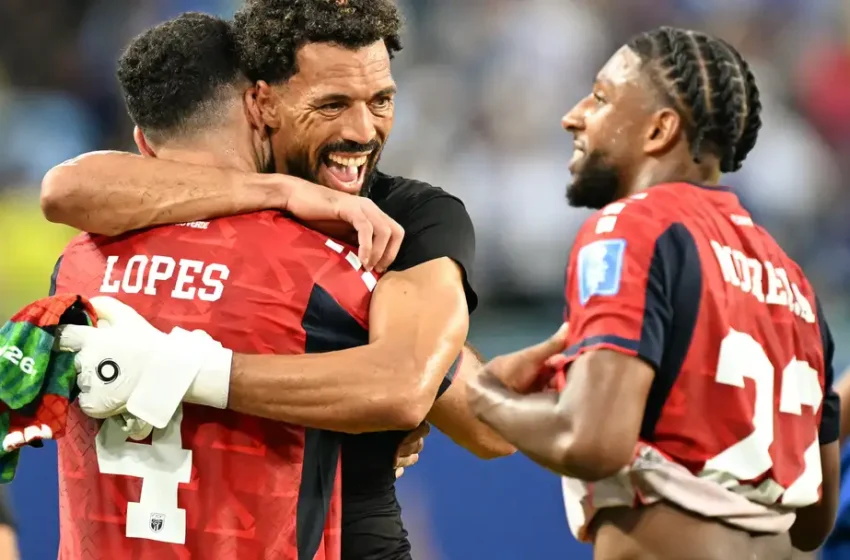
If international football survival frequently depends on structural adaptability, then elite powerhouses possessing deep technical depth must remain flexible against highly organized, transitional underdogs capable of punishing structural dogmatism. Recent international tournament cycles offer a definitive case study in modern tactical friction. Years ago, elite football relied on sheer talent margins to win matches. Modern scouting parity has largely leveled the global playing field.
Tactical rigidity remains the greatest enemy of historical football giants. Teams entering tournaments with inflexible blueprints find themselves exposed by opponents who analyze tape with surgical precision. Football data analytics tools now allow mid-tier nations to map out every single passing lane preferred by elite players. Powerhouses can no longer simply show up and dictate terms based on historical reputation alone.
The modern international calendar compounds these systemic tactical challenges. Players arrive at national camps carrying immense physical fatigue from grueling domestic league seasons. Forcing tired athletes into hyper-intensive tactical frameworks creates immediate physical friction. Success belongs to managers who balance tactical ideals with physical realities.
Also Read: Gor Mahia Get Clarity As FKF Confirms Premier League Roadmap
Comparative Matrix of Modern International Tactical Frameworks
Understanding systemic fractures requires a direct look at competing philosophies in the modern international arena.
| Tactical System | Primary Defensive Risk | Physical Demand | Essential Player Profile | Vulnerability Trigger |
| Bielsa Man-Marking | Large vertical gaps behind fullbacks | Extremely High | Recovery-pace center backs | Elite transitional passing |
| Low Block Counter | Sustained penalty box pressure | Medium | Positional anchor midfielders | Elite individual dribbling |
| Positional Tiki-Taka | Overextended central counter-press | High | Technical press-resistant pivots | Explosive winger pace |
Deconstructing the Failure of the Uncompromising High Line
The signature Bielsa framework dictates relentless forward pressing, vertical ball progression, and strict man-marking across all sectors of the pitch. Elite teams lacking technical composure under pressure routinely suffocate under the weight of this system. Still, the methodology demands absolute spatial execution from every individual on the grass. Defensive errors within the framework cause the entire collective structure to collapse instantly. Lacking an auxiliary safety net, single misplaced passes transform routine opposition possessions into immediate, numbers-forward counter-attacks.
Opponents utilizing direct, vertical transition paths turn an unyielding defensive line into a massive structural liability. Vast expanses of space lie entirely unprotected behind aggressively overlapping wing-backs. Isolated central defenders must constantly choose between challenging ball-carriers or tracking deep runs into channels. The margin for error vanishes entirely when center-backs lack elite recovery acceleration.
Tactical dogmatism often ignores the physical limitations of veteran squads. High-intensity systems yield diminishing returns during the latter stages of ninety-minute contests. Elite opposition coaches wait patiently for the inevitable drop in pressing intensity before launching vertical counters. True tactical masterminds adjust their defensive lines based on real-time fatigue levels rather than historical ideals.
The Midfield Vacuum and Counter Press Disconnect
Major failure points in the high-pressing system occur after the primary wave of pressure gets completely bypassed by opponents. Forward lines failing to disrupt the initial distribution phase leave midfield pivots stranded across wide defensive zones. A massive central void develops quickly in front of the back four. Lateral passing networks allow opposition runners to advance directly into the defensive third without facing immediate resistance.
Defensive transitions require immediate horizontal compactness to choke off central passing lanes. Man-marking systems naturally pull players out of position, creating massive pockets of space for intelligent attackers to exploit. Isolated defenders find themselves caught in multi-player overloads on the flanks. Tactical discipline fractures completely when players start chasing opponents rather than protecting zones.
Midfield anchors face immense pressure when the forward press breaks down. These individuals must cover massive territory to break up opposition transitions before center-backs get isolated. Running distances increase exponentially when the forward line drops its defensive intensity. Shielding the backline becomes an impossible task without tactical assistance from wide midfielders.
The Exhaustion Factor in Tournament Environments
Man-marking structures place a massive physical tax on players over a sustained tournament calendar. Second-half physical fatigue builds up relentlessly within high-tempo systems. Reaction times drop, leading directly to poorly timed challenges and catastrophic positional lapses. Group-stage matches quickly expose squads lacking the physical depth to rotate high-energy positions regularly.
The physical breakdown of elite athletes under high-stress systems is well-documented by modern sports science. Muscle fatigue directly impairs spatial awareness and decision-making capabilities during high-pressure moments. Players execute recovery sprints slower, giving transitional attackers the crucial half-second needed to pick out a teammate. Continuous high-pressing without strategic resting periods creates a ticking clock for defensive disasters.
Tournament formats aggravate physical exhaustion due to limited recovery windows between competitive matches. Squads relying on a fixed starting eleven inevitably experience a steep performance drop by the third matchday. Pushing fatigued players to maintain extreme pressing metrics leads to soft tissue injuries and mental lapses. Tactical flexibility serves as a vital tool for load management during intense summer tournaments.
The Economics of Diaspora Scouting: How Small Nations Neutralize Giants
The shifting power dynamic in international football is deeply rooted in modern sports recruitment and political geography. Small nations with smaller domestic player pools masterfully bypass structural limitations by aggressively scouting global diaspora communities. Identifying and integrating elite academy graduates developed within top-tier European leagues builds competitive rosters overnight. Strategic recruitment infuses squads with top-level tactical maturity and physical conditioning.
Diaspora networks provide developing football associations with access to world-class sporting infrastructure without requiring massive domestic capital investments. Young talent nurtured in elite European academies brings immediate tactical literacy to national setups. These athletes understand spatial management, nutritional discipline, and complex defensive rotations from a very young age. Merging this technical foundation with intense national pride creates highly dangerous tournament teams.
Globalized scouting tools have completely democratized access to elite athletic talent. Small football federations employ specialized data analysts to track eligible dual-nationality players across various global leagues. Professional recruitment pitches focus on guaranteed international playing time and the chance to compete on the world stage. Traditional football giants can no longer hoard elite talent within their borders.
Consequently, the historic talent gap separating global superpowers from developing football nations has narrowed significantly. Organization, physical discipline, and highly targeted transition play allow modest programs to consistently neutralize elite tactical setups. Historical heavyweights face immense difficulties when attempting to break down stubborn low blocks operated by well-drilled underdogs.
Defensive organization requires far less preparation time than complex attacking fluidities. Underdog nations maximize their limited training windows by perfecting a compact, low-risk defensive shape. Players buy into a collective defensive sacrifice, relying on quick vertical outlets to punish overextended opponents. Elite teams struggling with slow ball circulation play directly into the hands of these disciplined defensive units.
The modernization of coaching standards globally has eliminated basic tactical ignorance from international football. Badly coached national teams simply do not exist at the elite level anymore. Managers leading modest nations often possess extensive experience in top-tier club football. Tactical sophistication is now a universal standard rather than a luxury reserved for wealthy nations.
Navigating the Structural Loss of a Defensive Linchpin
Maintaining an aggressive defensive press requires a very specific profile of central defender to function safely over ninety minutes. Systems remain completely dependent on a mobile anchor who possesses elite recovery pace to handle direct counter-attacks. Losing a rare physical asset to injury completely destabilizes the internal safety mechanisms of a high-pressing team. Lacking elite recovery speed to clean up structural breakdowns, continuing with an aggressive press becomes a recipe for tactical failure.
Central defenders in high-line systems must operate like elite track athletes while maintaining flawless positional awareness. Players must read the intentions of opposition passers before the ball even leaves the boot. Anticipation serves as the primary shield against long balls delivered over the top of the defensive line. Teams lose their defensive identity when forced to replace these specialized athletes with traditional, slower center-backs.
Injuries to key defensive linchpins expose the absolute fragility of dogmatic tactical systems. Systems requiring unique physical attributes from specific players fail catastrophically when backups step into the lineup. Slower replacements get routinely exposed in isolated footraces against dynamic wingers. Adjusting team geometry becomes an urgent necessity to prevent complete defensive capitulation.
Internal Adjustments vs. Rigid Tactical Loyalty
Managers losing a crucial defensive piece face a major philosophical choice. Staff must decide whether to adjust systems to protect replacement players or double down on core principles regardless of personnel. History shows elite, dogmatic managers rarely abandon fundamental blueprints. Coaches choose instead to trust that the overarching philosophy will overcome individual limitations.
Tactical stubborness often leads to managerial downfalls on the international stage. Elite tacticians frequently view system adjustments as an admission of intellectual defeat. Instructing replacement players to execute roles beyond their physical capabilities creates immense on-pitch confusion. Leadership requires the pragmatic willingness to sacrifice stylistic preferences for defensive stability.
The media spotlight intensifies when a manager refuses to adapt to glaring personnel limitations. Pundits and fans quickly point out the tactical disconnect between managerial ideals and player realities. Building a resilient tournament squad requires designing a flexible system that highlights available strengths while masking obvious weaknesses. Rigid systems break under the pressure of unexpected roster alterations.
The Blueprint for Exploiting Structural Dogma
Top-tier opponents carefully study systemic vulnerabilities. Patient, side-to-side ball circulation pulls the man-marking structure completely apart. A single defender dragged out of position opens up clear paths to goal via quick combinations through vacated space.
Attacking fluidities maximize spatial exploitation by dragging defensive anchors out of central channels. Elite playmakers thrive when opponents employ rigid man-marking schemes. Intelligent movement off the ball creates massive passing lanes for runners coming from deep positions. Defenses chasing shadows find themselves completely disorganized within a matter of passes.
Exploiting tactical dogmatism requires technical patience and absolute precision from passing units. Rushing the final ball allows high-pressing teams to win possession back and reset their defensive shape. Maintaining ball possession in the middle third wears down the physical energy of the pressing side, setting up lethal opportunities in the final half-hour.
Also Read: Top Comoros Official Hospitalized in Nairobi Amid Rising Tensions in Moroni
The Long-Term Evolution of High-Risk Systems
Modern international football increasingly punishes teams relying on rigid, unyielding tactical ideas without alternative game plans. Teams succeeding over long cycles show a capacity to seamlessly shift between high-pressure waves and disciplined low blocks. High-intensity football remains incredibly entertaining for global audiences, yet its lack of built-in safety mechanisms leaves it highly vulnerable. True managerial genius lies in finding the perfect balance between aggressive attacking intent and structural security, ensuring the defensive foundation never collapses during chaotic moments.
The evolution of international tactics moves toward hybrid models that combine aggressive pressing with structural pragmatism. Successful teams alter their defensive block height multiple times during a single match to keep opponents guessing. Flexibility ensures that physical resources are preserved for critical moments. The future of football belongs to adaptive coaches who treat tactics as fluid responses rather than permanent doctrines.