Can Senegal Still Rescue Its World Cup Campaign Despite Off Field Turmoil

Image/ CAFOnline
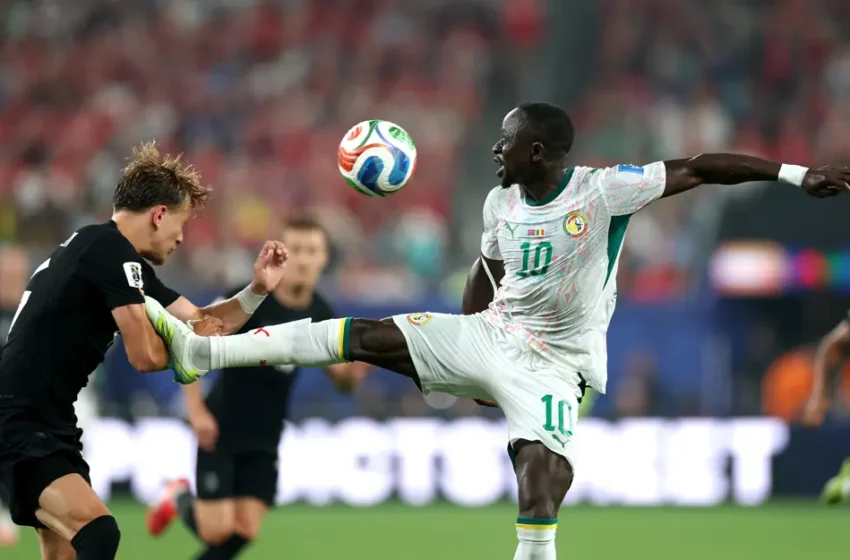
Senegal entered the 2026 FIFA World Cup carrying the expectations of an entire continent. Ranked 17th globally and among Africa’s strongest footballing nations, and backed by a squad filled with experienced professionals, the Lions of Teranga were widely tipped to progress deep into the tournament.
Instead, their campaign has been overshadowed by events that have little to do with tactics or performances on the pitch. Reports of delayed bonuses, contract negotiations involving head coach Pape Thiaw, ticket allocation disputes, and questions about camp logistics have dominated headlines at a time when the team desperately needs focus.
Yet reducing Senegal’s struggles to dressing-room politics would overlook a more important story. The current situation offers valuable insight into the pressures national teams face in modern international football, where administration, governance, communication, and player welfare can influence results almost as much as talent.
As Senegal prepares for a must-win encounter against Iraq, the bigger question is whether unity can overcome distraction.
Read Also: Uruguay vs Cape Verde: How Modern Underdogs Exploded Marcelo Bielsa Blueprint
Senegal’s World Cup Expectations Were Built On Years Of Progress
Over the last decade, Senegal has established itself as one of Africa’s most respected football nations.
Consistent qualification for major tournaments, investment in player development, and the emergence of stars competing in Europe’s top leagues transformed the national team into a genuine global competitor.
The country’s memorable run to the quarter-finals in 2002 remains part of football history, but recent generations have sought to create an even greater legacy by combining technical quality with tactical discipline.
That made the disappointing start to the 2026 tournament particularly surprising.
Rather than discussing formations or standout performances, much of the conversation has centred on administrative matters behind closed doors.
Modern Football Success Depends On Stability Beyond The Pitch
Elite football is no longer determined solely by coaching sessions and match-day tactics.
National teams now operate like complex organisations where logistics, nutrition, scheduling, player welfare, media management, and financial planning all contribute to performance.
When any of those systems encounter difficulties, uncertainty can spread quickly through a squad.
Professional players often insist they remain focused despite external distractions, and many do. However, uncertainty surrounding payments, contracts, or operational planning can still create unnecessary noise around a tournament campaign.
This does not automatically translate into poor performances, but it introduces avoidable challenges during the most demanding moments of competition.
The Contract Situation Reflects Broader Governance Challenges
Much attention has focused on Pape Thiaw’s contract negotiations before the tournament.
From the coach’s perspective, the issue appeared less about financial gain than about institutional certainty and professional recognition. Public statements suggested principles and respect formed a significant part of the discussion.
The eventual agreement appears to have resolved those concerns, but the prolonged negotiations illustrate how administrative delays can dominate headlines when timing coincides with a major international competition.
A lesson now for football federations worldwide is straightforward: resolving contractual matters well before tournaments reduces distractions and allows technical staff to concentrate exclusively on preparation.
Bonus Disputes Continue To Surface Across International Football
Financial disagreements are not unique to Senegal.
Across international football, disputes involving player bonuses, tournament payments, image rights, and preparation allowances have occasionally emerged before major competitions.
Despite many having been resolved privately, public disagreements risk creating narratives that overshadow sporting objectives.
Players often argue that agreed commitments should be honoured promptly, while federations must balance financial management with operational realities.
The strongest organisations minimise conflict through transparent communication and clearly defined agreements long before tournaments begin.
The Hidden Importance Of Camp Logistics
Accommodation and catering may seem secondary compared with tactics, yet they play a significant role in athlete performance.
Elite footballers operate within carefully designed nutrition plans, recovery routines, and sleep schedules.
In Senegal’s case, reports suggest the players themselves have largely remained satisfied with meal arrangements despite speculation regarding changes in catering staff.
Instead, dissatisfaction appears to have originated elsewhere within the broader delegation.
The episode demonstrates how quickly logistical discussions can become public controversies even when the core playing group remains focused.
Also Read: FIFA World Cup: What Went Wrong for Tunisia in Crushing Defeat to Japan
Supporters Also Shape Tournament Atmospheres
Football success depends not only on players and coaches but also on supporters.
Reports of frustration among Senegalese fans regarding ticket allocations reveal another challenge faced by federations competing at global tournaments.
Diaspora communities frequently expect greater access to matches when competitions take place near where they live, and transparent communication over distribution policies becomes increasingly important.
Supporter dissatisfaction may not influence tactical decisions directly, but maintaining positive engagement strengthens the atmosphere surrounding national teams.
Comparing On Field And Off Field Priorities
| Area | Positive Indicators | Current Challenges |
|---|---|---|
| Player Quality | Experienced international squad | Pressure after poor results |
| Coaching | Tactical continuity under Pape Thiaw | Contract discussions before tournament |
| Administration | Government support for national team | Timing of negotiations and payments |
| Logistics | Stable training environment | Public debate over accommodation and food |
| Fan Relations | Strong global support base | Ticket allocation concerns |
The comparison highlights that Senegal’s competitive foundations remain intact despite administrative distractions.
Can Professional Players Block Out External Noise
Elite athletes regularly insist they can separate football from surrounding controversy.
Years of competing under pressure prepare professionals to perform regardless of headlines, criticism, or uncertainty.
However, psychology research in sport consistently shows that stable environments help optimise performance. Reduced distractions improve concentration, recovery, and decision-making under pressure.
The challenge for Senegal is therefore not whether players are capable of coping but whether unnecessary issues consume emotional energy that could otherwise be directed toward competition.
Leadership Becomes Even More Important During Difficult Moments
When national teams encounter setbacks, leadership inside the dressing room often becomes decisive.
Senior players, experienced coaches, and respected staff members can stabilise morale by reinforcing collective objectives rather than external narratives.
This is particularly important in tournament football where matches arrive every few days and momentum can shift rapidly.
Successful teams frequently demonstrate an ability to isolate themselves from controversy and create a unified internal culture regardless of events outside camp.
What Senegal Must Improve On The Pitch
Beyond administrative stories, Senegal’s football itself requires improvement.
Conceding goals at critical moments and failing to convert opportunities have left the team chasing results rather than controlling matches.
Moving forward, key priorities include:
-
Greater defensive concentration during transitions.
-
Improved efficiency in front of goal.
-
Better game management when protecting possession.
-
Stronger mental resilience after setbacks.
-
Maintaining tactical discipline under pressure.
Addressing these football fundamentals will likely have a greater impact on qualification prospects than resolving media controversies.
Lessons For Football Federations Across Africa
Senegal’s experience provides useful lessons extending beyond one tournament.
African football continues to produce elite players and increasingly competitive national teams, but sustainable success also requires world-class administration.
Federations that invest in governance, transparent communication, commercial planning, and athlete welfare strengthen their ability to compete consistently on the global stage.
Professional structures off the field increasingly translate into confidence on it.
The Bigger Picture Beyond This Tournament
Regardless of how the current World Cup campaign concludes, Senegal’s long-term outlook remains encouraging.
The nation continues to produce technically gifted footballers, invest in youth development, and maintain a passionate supporter base both domestically and abroad.
Temporary setbacks should not overshadow the broader trajectory of Senegalese football, which has evolved significantly over the past two decades.
Instead, the current challenges may encourage institutional reforms that strengthen future tournament preparation.
Looking Ahead
Now that Lions of Teranga qualification hopes hanging in the balance, Senegal’s immediate focus must return to football.
Victory in the remaining matches offers the possibility of rewriting the narrative and demonstrating that organisational turbulence does not necessarily define competitive outcomes.
History shows that tournament momentum can change quickly. Teams that begin poorly sometimes recover to produce memorable campaigns, provided they maintain belief and internal cohesion.
But now for Senegal, success now depends on replacing external distractions with collective purpose.
If players, coaches, and administrators remain aligned around a common objective, the story of this World Cup may yet become one of resilience rather than disruption.