
Kenyan Purple Tea : A Complete Guide to Its Benefits Origins and Brewing

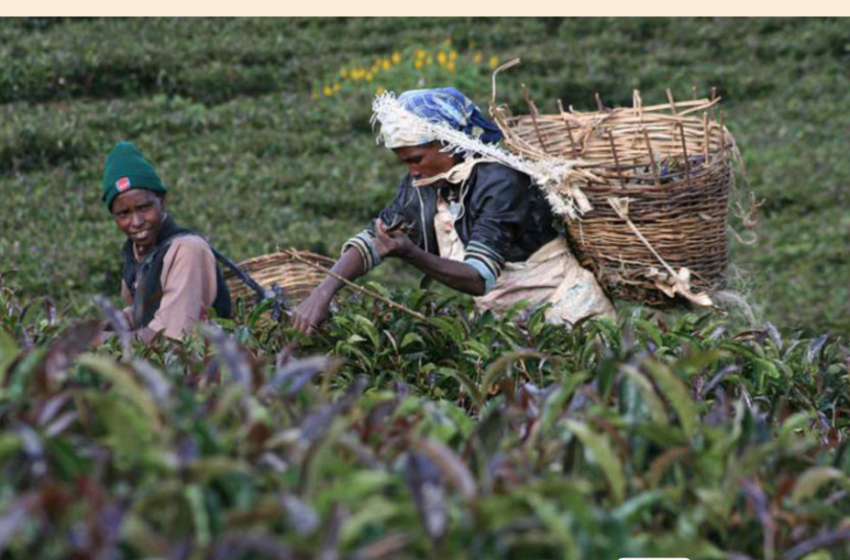
Purple tea is one of Kenya’s best-kept agricultural secrets. Millions of people across the world have enjoyed Kenyan black tea for decades, yet few realize the country also produces one of the rarest tea varieties on the global market.
Interest in Kenyan purple tea has grown steadily as consumers become more conscious about healthy lifestyles and premium beverages. Tea lovers searching for natural antioxidants, lower caffeine levels and unique flavours are increasingly adding purple tea to their daily routine, helping the product move from a niche crop to a promising export.
Growing demand has also changed how many people view Kenya’s tea industry. Bulk exports remain important, but specialty teas such as purple tea are opening new opportunities for farmers to earn better prices while giving the country a stronger presence in premium international markets.
Also Read: Top Comoros Official Hospitalized in Nairobi Amid Rising Tensions in Moroni
Purple tea tells a story that stretches beyond the teacup. Scientific innovation, climate, smallholder farming and changing consumer preferences have all contributed to its rise. Every harvest reflects years of research and the work of thousands of farmers cultivating tea in Kenya’s fertile highlands.
Kenya Frontline explores everything worth knowing about Kenyan purple tea, including its origins, health benefits, cultivation methods, brewing techniques and why experts believe it could become one of Kenya’s most valuable specialty exports.
What Is Kenyan Purple Tea
Purple tea is a unique variety of tea developed from the Camellia sinensis plant. Unlike traditional green or black tea, its young leaves naturally contain high concentrations of anthocyanins, the same plant compounds responsible for the rich colours found in blueberries, blackberries and red grapes.
Researchers spent years developing the variety to thrive in Kenya’s high-altitude tea-growing regions. Commercial production only began during the last decade, making purple tea one of the newest additions to the global tea industry.
Consumers often describe the drink as smooth, refreshing and lightly fruity, with subtle floral notes that distinguish it from stronger black teas.
Why Is Purple Tea Purple
Nature provides the answer.
Anthocyanins accumulate in the tea leaves as they grow under Kenya’s unique climatic conditions. Cool temperatures, high elevations and abundant sunshine encourage the plant to produce these natural pigments.
Scientists have long studied anthocyanins because of their antioxidant properties. Many fruits and vegetables celebrated for their nutritional value owe their colour to the same compounds found in Kenyan purple tea.
Processing methods preserve much of this natural composition, allowing the finished tea to retain both its distinctive appearance and nutritional profile.
Where Kenyan Purple Tea Is Grown
Kenya remains the world’s leading commercial producer of purple tea.
Most plantations are located in highland regions where rainfall, fertile volcanic soils and moderate temperatures create ideal growing conditions.
Murang’a County has become particularly well known for purple tea cultivation, although production is gradually expanding into other tea-growing counties.
Smallholder farmers produce much of the crop, working alongside factories that specialize in processing premium specialty teas.
Major Purple Tea Growing Areas
| Region | Why It Is Suitable |
|---|---|
| Murang’a | Cool climate and fertile soils |
| Kirinyaga | High altitude production |
| Nyeri | Consistent rainfall |
| Kiambu | Established tea farming infrastructure |
How Purple Tea Differs From Black and Green Tea
Every tea originates from the same plant species, but processing methods and plant varieties create very different products.
Purple tea combines characteristics that tea drinkers appreciate in both green and black tea while offering several unique qualities.
| Feature | Purple Tea | Green Tea | Black Tea |
|---|---|---|---|
| Leaf Colour | Purple | Green | Green before processing |
| Antioxidants | Very High | High | Moderate |
| Caffeine | Lower | Moderate | Higher |
| Taste | Fruity and floral | Fresh and grassy | Rich and bold |
| Processing | Light oxidation | Minimal oxidation | Full oxidation |
Tea enthusiasts often enjoy purple tea because it delivers a delicate flavour without the bitterness sometimes associated with green tea.
Health Benefits of Kenyan Purple Tea
Growing scientific interest has helped raise the profile of purple tea worldwide.
Health experts continue studying the effects of plant-based antioxidants, while consumers increasingly choose beverages that fit healthier lifestyles.
Rich in Antioxidants
Purple tea contains anthocyanins and polyphenols, two naturally occurring compounds associated with antioxidant activity.
Antioxidants help protect the body’s cells from oxidative stress caused by free radicals produced during normal metabolism and exposure to environmental factors.
Lower Caffeine Content
Many people reduce coffee or strong black tea consumption because of caffeine sensitivity.
Purple tea offers a gentler alternative while still providing a refreshing beverage suitable throughout the day.
Supports Healthy Living
Nutritionists generally recommend diets rich in fruits, vegetables and antioxidant-containing foods.
Purple tea fits comfortably into that lifestyle because it contains no added sugar or artificial ingredients when prepared naturally.
Naturally Refreshing
Many flavoured teas depend on artificial additives.
Purple tea develops its fruity aroma naturally, giving it a clean taste that appeals to consumers looking for minimally processed beverages.
Also Read: Rio Ferdinand To Open International Doors For Arusha Through AFCON 2027
How Kenyan Purple Tea Is Produced
Harvesting premium tea begins long before processing starts.
Farmers carefully monitor the bushes throughout the growing season before hand-picking the youngest leaves.
Only tender shoots are selected because they produce the highest-quality tea.
Factories then process the leaves using carefully controlled methods that preserve flavour, colour and beneficial plant compounds.
Quality checks take place at multiple stages before the finished tea reaches domestic or international markets.
Why Purple Tea Matters to Kenyan Farmers
Traditional tea exports have relied heavily on global commodity markets where prices fluctuate based on international supply and demand.
Purple tea offers farmers a different business model.
Specialty products command premium prices because consumers are paying for quality, uniqueness and traceability rather than volume alone.
Higher returns can improve household incomes while encouraging greater investment in sustainable farming practices.
Growing international recognition also strengthens Kenya’s reputation as an innovator within the global tea industry.
Kenya’s Shift Toward Specialty Tea
Consumer behaviour continues changing around the world.
Buyers increasingly seek products with authentic stories, clear origins and higher nutritional value.
Purple tea fits those expectations exceptionally well.
International retailers now market Kenyan purple tea as a premium beverage rather than simply another tea product.
Luxury tea houses, wellness brands and gourmet food companies have all shown increasing interest in stocking specialty Kenyan teas.
How to Brew Kenyan Purple Tea
Brewing purple tea correctly allows its delicate flavours to shine.
Boiling water directly onto the leaves may overpower the subtle taste.
Recommended Brewing Guide
| Step | Recommendation |
|---|---|
| Water Temperature | 80–90°C |
| Tea Quantity | One teaspoon |
| Brewing Time | Three to five minutes |
| Best Served | Plain or lightly sweetened with honey |
| Second Brew | Yes |
Milk is generally unnecessary because it masks the floral notes that make purple tea unique.
Honey or lemon may be added depending on personal preference.
Can Purple Tea Help With Weight Management
Purple tea frequently appears in conversations about healthy lifestyles.
Research has explored the role of polyphenols and antioxidants in supporting metabolism, although no single beverage should be viewed as a miracle solution.
Balanced nutrition, regular exercise and healthy habits remain the foundation of long-term wellness.
Purple tea works best as part of that broader lifestyle.
Challenges Facing the Purple Tea Industry
Growing a premium agricultural product comes with unique challenges.
Consumer awareness remains relatively low outside specialty tea circles.
Production volumes are also much smaller than traditional black tea, limiting supply.
Marketing requires significant investment because many international buyers are discovering purple tea for the first time.
Competition from established specialty beverages adds further pressure.
Industry players continue investing in branding and product education to overcome those challenges.
What the Future Holds for Kenyan Purple Tea
Industry analysts believe specialty tea could become an increasingly important contributor to Kenya’s agricultural exports.
Growing demand for premium wellness products has created opportunities that did not exist a decade ago.
Investment in branding, geographical indication protection and international partnerships could strengthen Kenya’s position even further.
Expansion into Europe, North America, Asia and the Middle East is already introducing purple tea to consumers willing to pay higher prices for authentic specialty products.
Success will depend on maintaining quality, supporting farmers and continuing to educate consumers about what makes Kenyan purple tea different.
Frequently Asked Questions
Is Kenyan purple tea naturally purple?
Yes. Anthocyanins found naturally in the leaves give the tea its distinctive colour.
Does purple tea contain caffeine?
Yes, although it generally contains less caffeine than black tea.
Where does purple tea come from?
Commercial purple tea is primarily grown in Kenya’s highland tea-producing regions.
Can purple tea replace green tea?
Many consumers drink both. Purple tea offers a different flavour profile while providing high levels of antioxidants.
Is purple tea available outside Kenya?
Yes. Premium retailers across Europe, North America and parts of Asia now stock Kenyan purple tea.\
Why Kenyan Purple Tea Is Gaining Global Attention
Kenyan purple tea represents far more than a new beverage. Scientific research, agricultural innovation and changing consumer preferences have combined to create one of the country’s most promising specialty exports. Rising international demand suggests the industry still has significant room to grow.
Premium tea buyers increasingly value authenticity, sustainability and quality over volume. Kenyan purple tea checks each of those boxes, giving farmers and exporters an opportunity to build stronger brands while earning higher returns. Every cup tells a uniquely Kenyan story, one rooted in innovation, resilience and a vision for the future of agriculture.