
How Absa Ksh 4B Unilever Partnership Solves Retail Liquidity Bottlenecks in Kenya

Injecting institutional liquidity into multi-layered retail distribution networks remains one of the most effective structural interventions for stabilizing emerging market supply chains. The recent executive agreement between Absa Bank Kenya Plc and Unilever Kenya Limited introduces a Ksh 4 billion financing program designed to systematically target systemic credit bottlenecks within the domestic fast-moving consumer goods (FMCG) ecosystem.
In many years, mid-tier distributors and informal retailers across East Africa have grappled with volatile cash conversion cycles. Traditional commercial banking models frequently exclude these vital economic actors due to rigid collateral requirements, long approval times, and an inability to assess risk outside conventional corporate balance sheets. This newly launched asset facility aims to bridge this capital gap by converting corporate transaction data into actionable credit lines.
The underlying scale of this structural intervention matches the vast reach of the modern retail market. The program is specifically structured to optimize operations for over 38 primary Unilever distributors nationwide, alongside an interconnected network of thousands of secondary retailers and localized stockists. The initial phase of the deployment seeks to fully onboard more than 10 top-tier distributors by the conclusion of the current fiscal cycle, establishing a repeatable blueprint for scalable value chain financing.
The Technical Architecture of the Wezesha Stock Loan Framework
The core engine driving this Ksh 4 billion liquidity deployment is Absa’s proprietary digital financing infrastructure, known commercially as the Wezesha Stock Loan solution. Rather than requiring traditional fixed-asset collateral—such as commercial real estate deeds or logbooks—the credit assessment framework relies on modern algorithmic risk profiling. By analyzing historical procurement volumes, fulfillment consistency, and transaction data provided directly by the manufacturer, the bank can establish clear creditworthiness profiles for individual businesses.
This digitized underwriting structure radically lowers the time required to access capital. Eligible value chain operators can secure up to Ksh 10 million in unsecured debt instruments, which are split across Local Purchase Order (LPO) financing, invoice discounting, and specialized asset finance tracks. Within this structural framework, up to Ksh 5 million can be directly disbursed to verified operators within a 48-hour window through an automated end-to-end digital channel. This rapid capital delivery effectively protects small businesses against sudden stockouts during high-demand market cycles.
Leadership Perspectives and Institutional Commitment
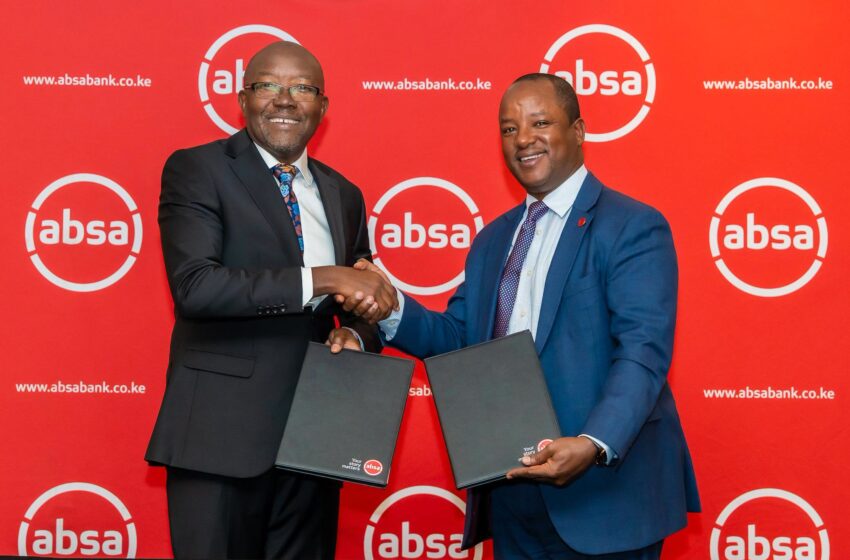
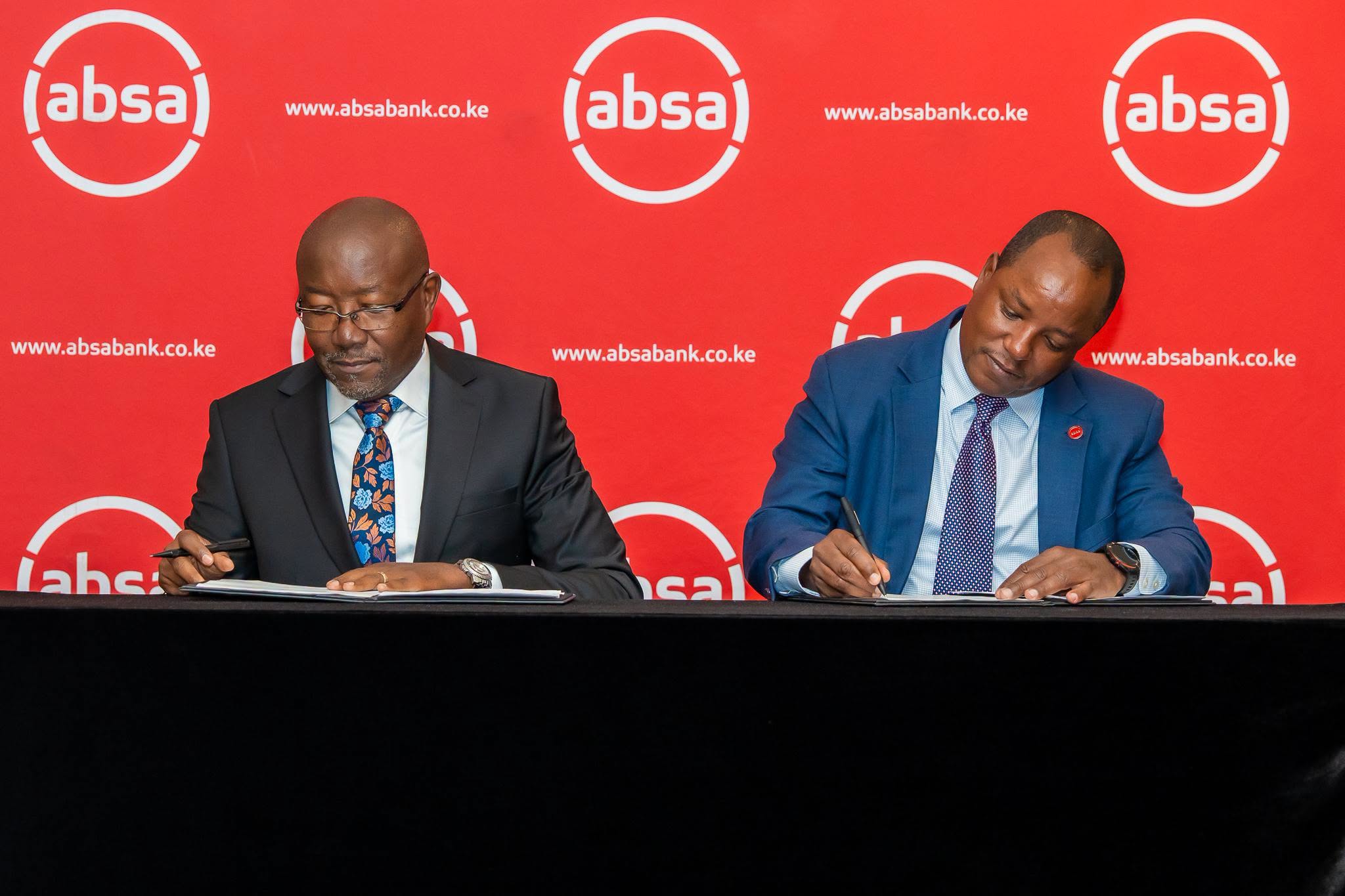
During the formal signing ceremony in Nairobi, executive leadership from both institutions highlighted the long-term economic impacts of this supply chain intervention. Absa Bank Kenya’s Interim Managing Director and CEO, Yusuf Omari, emphasized that supporting mid-tier distribution networks is vital to protecting the broader national economy against external macroeconomic shocks.
Yusuf Omari underscored that for decades, Absa has walked alongside businesses within Kenya’s stock distribution ecosystem, valuing Unilever Kenya as a long-standing corporate partner in that journey. He noted that this next phase of the partnership allows the expansion of collective impact across the value chain by ensuring that distributors and retailers have reliable and timely access to the financing they need to grow. Through Wezesha Stock, the bank is removing long-standing barriers to capital, enabling businesses to unlock new opportunities and strengthening the entire ecosystem.
This strategic alignment reflects a deep institutional relationship between the two entities that dates back to 1980. By leveraging nearly five decades of shared operational history, both organizations can navigate the nuanced realities of local commercial dynamics. Unilever Kenya Managing Director, Luck Ochieng, explained that empowering distribution partners is a strategic necessity for maintaining market share in an increasingly competitive consumer landscape.
Luck Ochieng noted that their distributors, who serve over 140,000 retailers, are at the heart of the business and play a critical role in ensuring products reach consumers across the country. He shared that this partnership with Absa Bank provides them with access to flexible and timely financing, enabling them to grow sustainably, improve product availability, and better serve their customers while reinforcing a commitment to building a resilient and inclusive supply chain locally.
Macroeconomic Impact on the SME Landscape and Last-Mile Retail
Small and medium-sized enterprises form the foundational backbone of Kenya’s commercial sector, driving over 80 percent of total employment and serving as the primary engines of last-mile product distribution. Despite their critical importance, these businesses frequently face severe working capital constraints. When a regional distributor faces a temporary cash crunch, the negative effects ripple rapidly down the value chain, leading to empty shelves for village shopkeepers and higher prices for everyday consumers.
By introducing an elastic, scalable Ksh 4 billion capital pool, this program helps insulate the local marketplace from these damaging disruptions. When distributors can access predictable financing, they can maintain optimal safety stock levels, negotiate bulk-purchasing discounts, and extend flexible credit terms to downstream retail stockists. This steady flow of capital enhances the entire ecosystem’s resilience, ensuring that essential household goods remain affordable and accessible to millions of consumers across diverse regional markets.
Furthermore, moving these businesses onto structured digital credit platforms accelerates the formalization of the informal trading sector. As small shopkeepers build verified digital transaction histories within the Wezesha platform, they unlock access to more advanced financial products, including long-term expansion capital, customized micro-insurance policies, and cross-border trade facilities. This evolution turns simple short-term stock loans into powerful tools for long-term economic empowerment.
READ: Famyard Enterprises Ltd Driving Structural Transformation In Mt Kenya Property Investment Sector
Market Positioning and Corporate Frameworks

Absa Bank Kenya Plc is officially listed on the Nairobi Securities Exchange (NSE) and remains a dominant institution within the East African financial sector. The bank operates a comprehensive corporate network encompassing retail banking, institutional asset management, corporate advisory, and advanced bancassurance channels.
Concurrently, Unilever operates as a global consumer goods powerhouse, maintaining distribution footprints in more than 190 countries and serving an estimated 3.4 billion consumers daily across its specialized beauty, personal care, home care, and nutrition divisions. The joint activation of this Ksh 4 billion facility in Kenya proves that modern corporate banking has moved far beyond simple deposit hosting. Today, winning market share requires the active co-creation of specialized, data-driven financial tools that protect and power every link of the modern supply chain.