
Why Kenya Is Looking to Chinese Manufacturers to Accelerate Local Industrial Growth

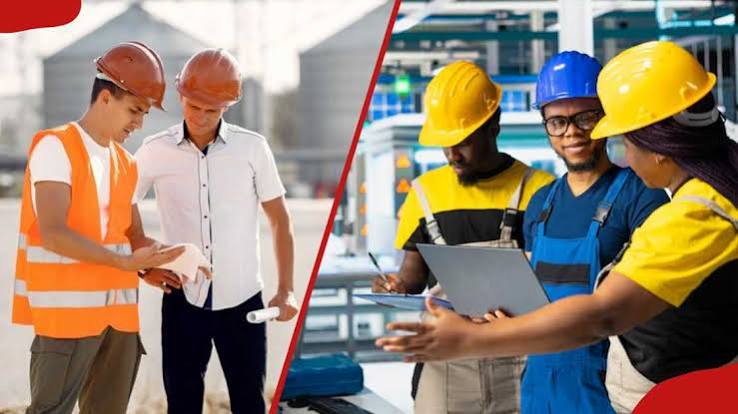
Kenya’s push to become a manufacturing-driven economy has taken another step forward, with local businesses and Chinese manufacturers exploring partnerships that could reshape production, technology transfer and investment across several industries.
More than 190 exhibitors from Kenya and China are participating in the three-day China (Linyi)-Kenya International Commodity Exhibition at the Sarit Expo Centre in Nairobi. While trade fairs are often associated with product displays, industry leaders believe the bigger opportunity lies in business partnerships capable of creating factories, expanding local assembly and strengthening Kenya’s manufacturing sector.
Growing interest in industrial cooperation reflects a broader shift in Kenya’s economic strategy. Policymakers increasingly want foreign investment to support local production instead of relying heavily on imported finished goods.
Why Manufacturing Has Become Central to Kenya’s Growth Strategy
Manufacturing remains one of the sectors viewed as essential to creating sustainable employment and expanding the country’s economic base.
Economic experts argue that countries with strong manufacturing industries are better positioned to generate higher-value exports, develop skilled labour and reduce dependence on imported consumer products.
Kenya has already identified industrialisation as a long-term national priority, largely because expanding domestic production creates opportunities across transport, logistics, agriculture, construction and financial services.
Every new factory also supports a wider network of suppliers, distributors and small businesses that benefit from increased industrial activity.
Why China Has Become an Important Manufacturing Partner
China’s relationship with Kenya has evolved considerably over the past two decades.
Early cooperation centred largely on infrastructure projects, including roads, railways and public works. Economic engagement has gradually expanded into manufacturing, renewable energy, industrial equipment and technology.
Business leaders now view Chinese manufacturers as potential long-term partners capable of introducing modern production systems while supporting local investment.
Technology, technical expertise and access to industrial machinery have become just as valuable as financial investment.
Business Partnerships Could Deliver Greater Value Than Imports
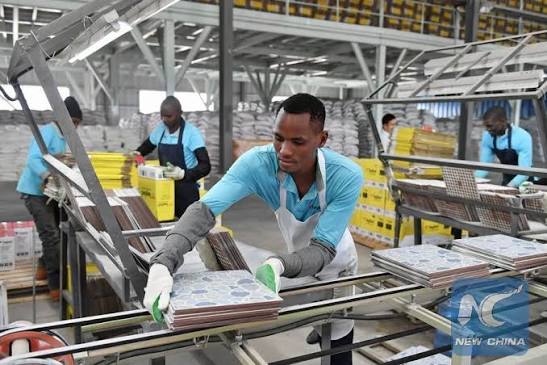
Direct engagement between manufacturers often creates opportunities that extend well beyond buying and selling products.
Kenyan companies attending the exhibition are holding discussions around distributorship agreements, joint ventures, technology partnerships and local assembly operations.
Successful agreements could allow products currently imported as finished goods to be assembled or manufactured within Kenya, creating additional employment while strengthening domestic supply chains.
Industrial partnerships also provide businesses with direct access to manufacturers, reducing dependence on intermediaries and improving communication on pricing, product specifications and after-sales support.
Industries Represented at the Exhibition
| Industry | Potential Benefit for Kenya |
|---|---|
| Industrial machinery | Increased factory productivity |
| Construction materials | Support for infrastructure and housing |
| Renewable energy | Cleaner and more affordable energy solutions |
| Agricultural technology | Improved farm productivity |
| Automotive components | Growth of vehicle assembly |
| Consumer goods | Expansion of local manufacturing |
Technology Transfer May Become the Biggest Long-Term Gain
Machinery alone rarely transforms an industry.
Knowledge, production systems and workforce training often determine whether manufacturing investments achieve lasting success.
Chinese manufacturers participating in the exhibition are showcasing technologies that could improve efficiency across several sectors, including agriculture, construction and industrial production.
Exposure to modern manufacturing practices gives Kenyan businesses an opportunity to understand how advanced factories improve quality control, reduce production costs and increase output.
Local companies capable of adopting those practices may become more competitive both within Kenya and across regional export markets.
Agriculture Could See Significant Benefits
Agriculture continues to employ millions of Kenyans, making productivity improvements a national economic priority.
Mechanised farming equipment, irrigation systems and agro-processing technologies displayed during the exhibition are attracting strong interest from farmers, cooperatives and agribusiness investors.
Improved mechanisation has the potential to reduce labour costs, minimise post-harvest losses and increase food production.
Greater investment in agro-processing could also allow more agricultural products to be processed locally before reaching consumers or export markets, creating additional value within Kenya’s economy.
Manufacturing Solutions Supporting Agriculture
| Agricultural Challenge | Industrial Solution |
|---|---|
| Low farm mechanisation | Modern tractors and equipment |
| Water shortages | Efficient irrigation systems |
| High post-harvest losses | Agro-processing technology |
| Limited value addition | Food processing facilities |
Local Businesses Stand to Gain Beyond New Suppliers
Many Kenyan entrepreneurs are attending the exhibition with investment rather than procurement in mind.
Distribution agreements can open new markets, while joint ventures may enable local firms to manufacture products under internationally recognised brands.
Small and medium-sized enterprises could benefit particularly from partnerships that provide access to industrial machinery, technical expertise and international supply networks.
Expansion of local production would also reduce shipping costs and shorten delivery times for many products currently sourced overseas.
Investment Alone Will Not Guarantee Industrial Growth
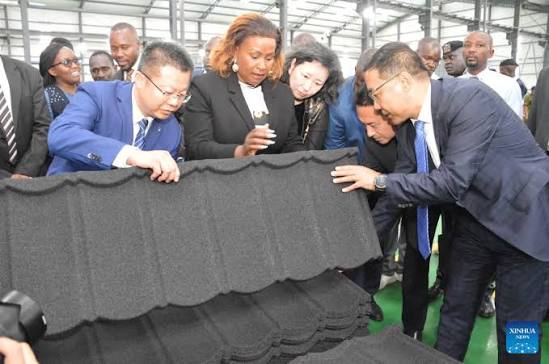
Foreign investment creates opportunities, but long-term industrial success depends on several domestic factors.
Reliable electricity, efficient transport systems, predictable taxation and consistent government policies remain important considerations for manufacturers deciding where to establish production facilities.
Investors also assess the availability of skilled workers, access to regional markets and the overall ease of doing business before committing significant capital.
Strong policy implementation will therefore play an equally important role in determining whether exhibition discussions translate into operational factories.
Read: Why Gor Mahia Biggest Victory Before CAF Champions League May Have Happened Off Pitch
Kenya’s Export Ambitions Are Also Expanding
Industrial cooperation is expected to strengthen Kenya’s ability to sell more products abroad.
Chinese markets continue to offer growing opportunities for Kenyan exports, particularly processed agricultural products, coffee, tea, leather products and manufactured goods.
Greater export volumes would improve foreign exchange earnings while encouraging more investment in local manufacturing.
Expanding value addition before export also allows businesses to capture a larger share of global supply chains instead of exporting raw materials alone.
Why the Exhibition Reflects a Broader Economic Shift
Kenya’s engagement with Chinese manufacturers signals a gradual transition from infrastructure-led cooperation towards industrial development.
Government policy increasingly emphasises production, technology transfer and job creation as the next phase of economic transformation.
Commercial agreements signed during the exhibition may not immediately change Kenya’s industrial landscape, but they could lay the foundation for future investment in manufacturing and local assembly.
Real success will ultimately be measured by the number of factories established, skilled jobs created and products manufactured locally over the coming years.
Industrialisation has long remained one of Kenya’s economic ambitions. Partnerships capable of combining local entrepreneurship with international manufacturing expertise may determine how quickly that ambition becomes reality.