
CBK Slams Brake on Bailouts with Strict New Emergency Cash Rules

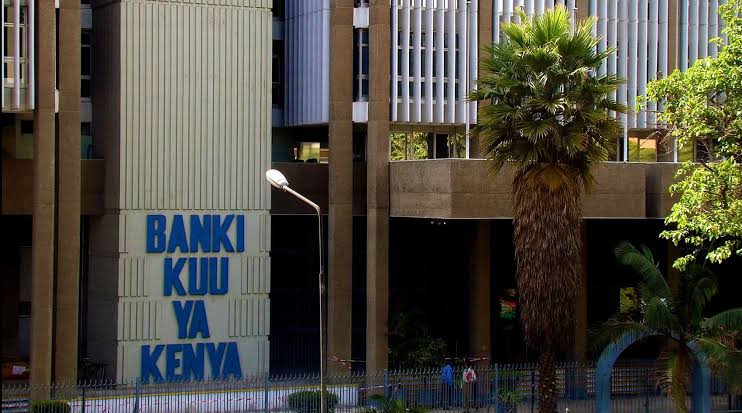
The Central Bank of Kenya (CBK) has shifted the gears of local banking regulation dramatically, setting up a formidable barrier between taxpayer funds and struggling financial institutions.
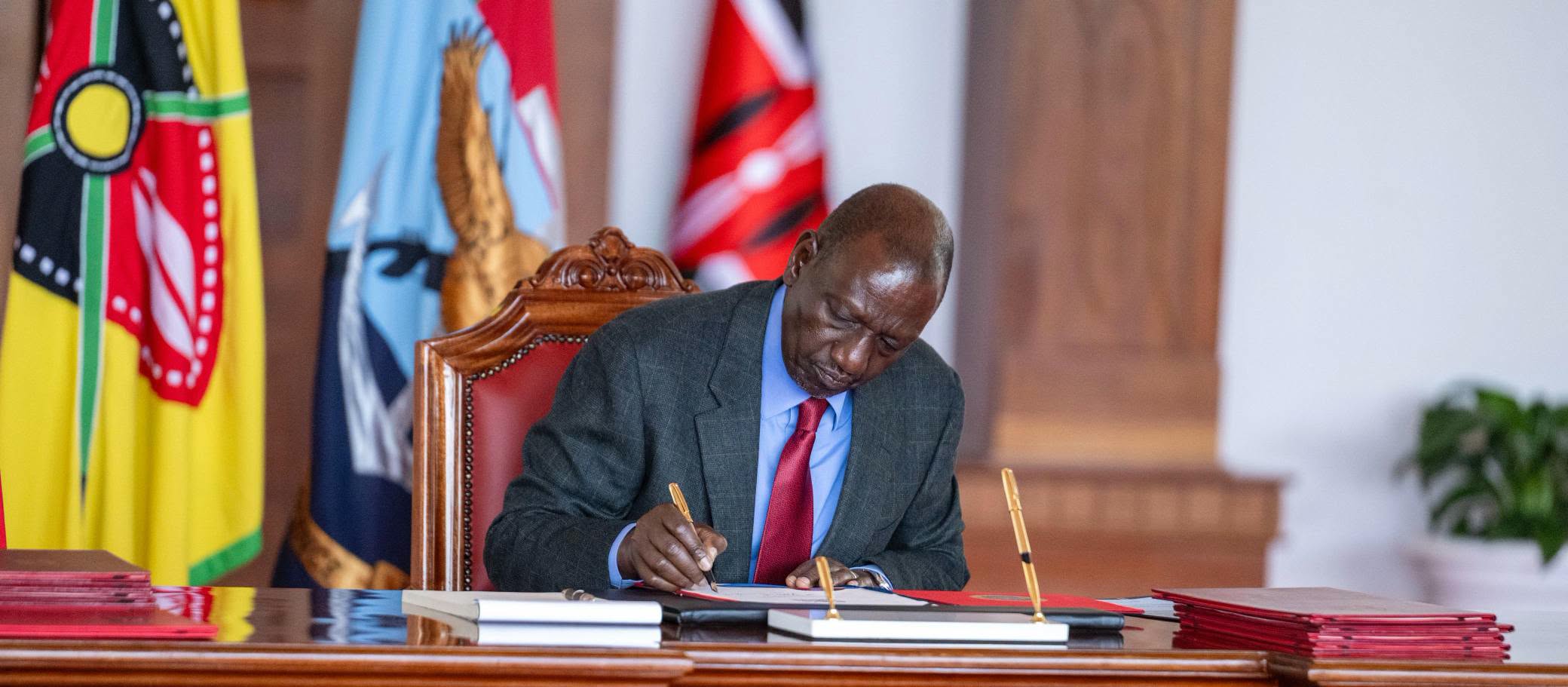
Sweeping legal reforms signed into law on Monday have rewritten the rules of engagement for lenders facing sudden cash crunches.
The Central Bank of Kenya (Amendment) Act, 2026, codifies a highly anticipated structure for how the banking sector navigates periods of acute distress, shifting Kenya away from ad-hoc interventions toward an ironclad regulatory framework.
READ: Ex-AFC Leopards Chairman Dismisses Claims of Abandoned Kasarani Land Bid as Internal Rift Widens
Under the provisions of this legislative overhaul, commercial banks can no longer view the banking regulator merely as an unconditional safety net when standard funding channels dry up.
Financial institutions seeking emergency backup capital will now face stringent, non-negotiable hurdles before a single shilling is disbursed. The new guidelines are designed to systematically weed out poorly managed operations, shielding the broader economy from the fallout of reckless institutional risk-taking.
Requiring that applicants prove their fundamental health represents a monumental shift in domestic economic stewardship, transforming the central bank’s legendary “lender of last resort” facility.
The strict framework explicitly demands that emergency state interventions be reserved exclusively for institutions that maintain clear underlying viability. By locking out structural failures, the policy aims to put an end to the era of ambiguous financial rescues that historically drained public coffers.
“The Bill seeks to amend the Central Bank of Kenya Act to provide clear statutory separation between liquidity operations undertaken by the CBK for routine monetary policy implementation and Emergency Liquidity Assistance (ELA) provided in exceptional circumstances to preserve financial stability.”
Prior to the enactment of this statute, the dividing line between everyday central bank market interventions and extraordinary rescue operations remained dangerously blurred. The absence of an explicit statutory separation meant routine monetary operations—such as repo agreements used to control money supply—frequently overlapped with desperate lifeline funding extended to troubled institutions. The 2026 Act permanently corrects this ambiguity by establishing Emergency Liquidity Assistance (ELA) as an entirely distinct, highly conditional legal instrument.
Drawing the Line on Moral Hazard
Preventing short-term cash crunches from turning into systemic contagion is the primary goal of the newly minted ELA guidelines. The law creates an objective, three-pronged test that any bank must satisfy to unlock emergency regulatory funding. An applicant must definitively prove that it is fully solvent, commercially viable over the long term, and large enough that its sudden collapse would pose a genuine systemic threat to the wider Kenyan financial ecosystem.
Unveiling these strict entry barriers provides the local banking industry with absolute clarity on how the CBK will react during macroeconomic shocks. Lenders are effectively put on notice that structural insolvency will result in resolution or liquidation, rather than a taxpayer-funded bridge to nowhere. These standards align Kenya directly with the global Basel Core Principles for Effective Banking Supervision, which dictate that central banks must actively discourage moral hazard—the dangerous tendency of commercial banks to take outsized risks assuming the government will bail them out if things go south.
Tightening these safety parameters occurs at a highly fascinating moment for the domestic financial sector. The implementation of the ELA framework comes just weeks after the state agreed to defer the implementation of the Sh10 billion core capital requirement for commercial banks, pushing the deadline out to 2032. While the capital holiday offers smaller tier-three lenders vital breathing room to consolidate or grow, the simultaneous introduction of the rigid ELA framework ensures that this leniency will not translate into relaxed risk management.
Safeguarding public resources serves as the ultimate anchor for this structural tightening. The law effectively strips away regulatory discretion during banking panics, ensuring that state machinery cannot be used to artificially prop up deeply insolvent enterprises. The strategic adjustment elevates financial system stability and sound banking regulation to explicit, statutory secondary objectives of the CBK, running right alongside its primary mandate of maintaining price stability.
Modernizing Leadership and National Reserves
Elevating financial stability mandates is accompanied by robust new governance checks designed to inject transparency into the apex bank’s upper echelons. Moving forward, presidential nominees for the positions of Deputy Governor must successfully undergo rigorous vetting and formal approval by the National Assembly before taking office. The oversight mechanism mirrors the parliamentary confirmation process required for the CBK Governor, reinforcing institutional accountability and ensuring that senior leadership possesses the technical fortitude required to manage complex modern financial crises.
READ: Inside DP Kithure Kindiki’s Inspection of Breathtaking Talanta Stadium Lights
Simultaneously, the new law cleans up archaic statutory language and integrates modern entities into the state’s legal architecture. The Act officially replaces all remaining references to the defunct Deposit Protection Fund Board with the Kenya Deposit Insurance Corporation (KDIC), formalizing the modern deposit protection framework. Statutory backing has also been extended to the Central Bank of Kenya Institute of Monetary Studies, cementing its mandate to drive high-level financial research and spearhead educational collaborations across the East African region and the global stage.
“The law further expands legal clarity on CBK’s authority to deal in gold and other precious metals as part of reserve management. This will support growth of Kenya’s mining sector and aligns Kenya with practices in Tanzania, Ghana, and South Africa.”
Diversifying reserve management through precious metals marks a progressive economic shift that could fundamentally reshape national wealth preservation. Granting the central bank explicit powers to buy, hold, and trade physical gold allows Kenya to hedge against global currency volatility while creating a reliable domestic off-taker for the local mining sector. The strategic move mirrors highly successful reserve diversification programs executed by regional peers like Tanzania, Ghana, and South Africa, giving the CBK a broader, more resilient toolkit to protect national wealth during global economic storms.
Ultimately, the Central Bank of Kenya (Amendment) Act, 2026, builds a modern, resilient financial fortress. By matching strict emergency funding rules with increased parliamentary oversight and forward-thinking reserve strategies, Kenya has established a mature financial safety net. The message to the banking sector is unmistakable: the regulator stands ready to protect the system’s overall stability, but individual institutions must earn their survival through bulletproof balance sheets and responsible governance.

