
PHOTOS: Inside DP Kithure Kindiki’s Inspection of Breathtaking Talanta Stadium Lights

Photos: Office of the Deputy President
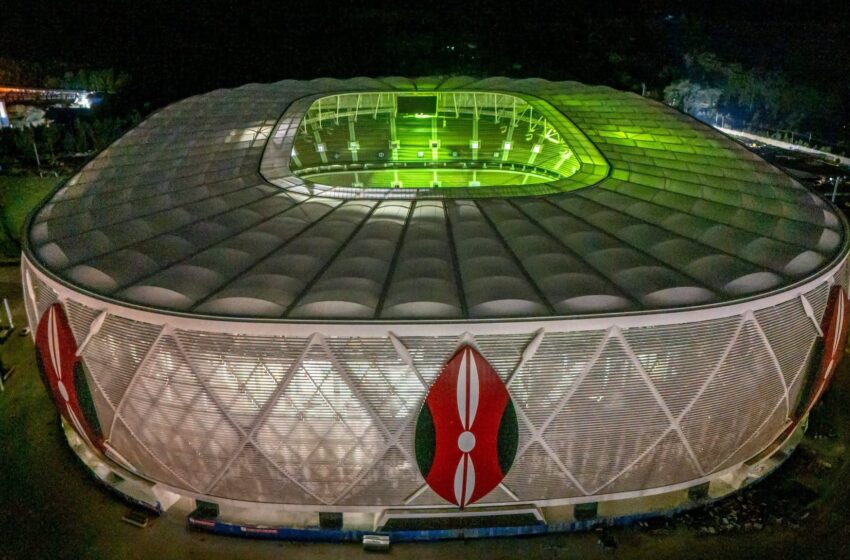
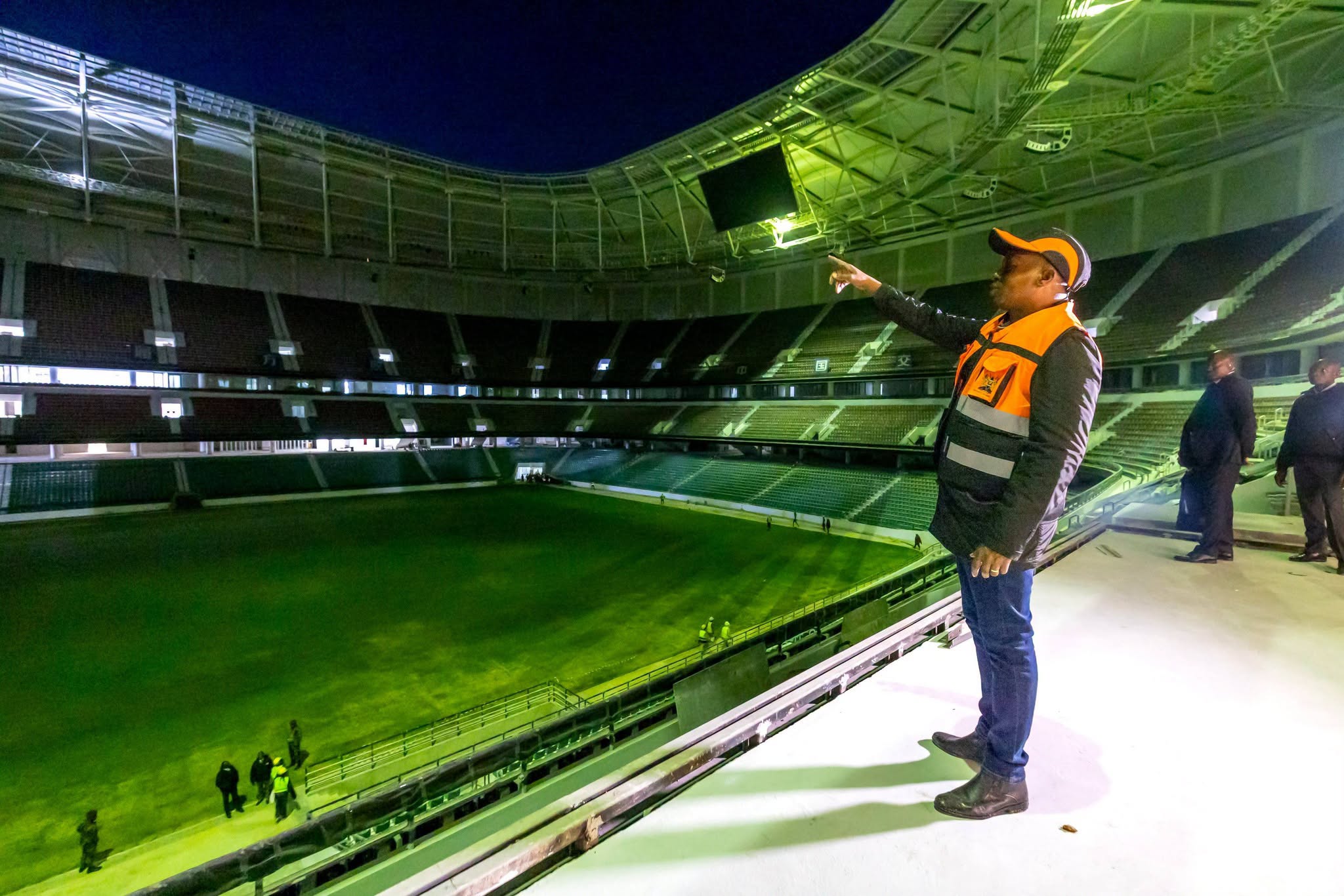
Nairobi’s night skyline has gained a brilliant new anchor point, casting a futuristic glow over the Jamhuri Grounds along Ngong Road. Deputy President Prof. Kithure Kindiki conducted a thorough, early-morning inspection of the ongoing construction works at the ultra-modern Talanta Stadium.
The high-profile tour aimed to assess the rapid structural progress of the project ahead of the highly anticipated 2027 Africa Cup of Nations (AFCON).
The visit offered more than just administrative tracking as it provided the public with the first-ever look at the stadium’s state-of-the-art internal lighting systems fully powered and active, signaling that Kenya’s marquee arena is steadily coming to life.
READ: Ex-AFC Leopards Chairman Dismisses Claims of Abandoned Kasarani Land Bid as Internal Rift Widens
The Glow of the New Arena: First Look at the Illumination
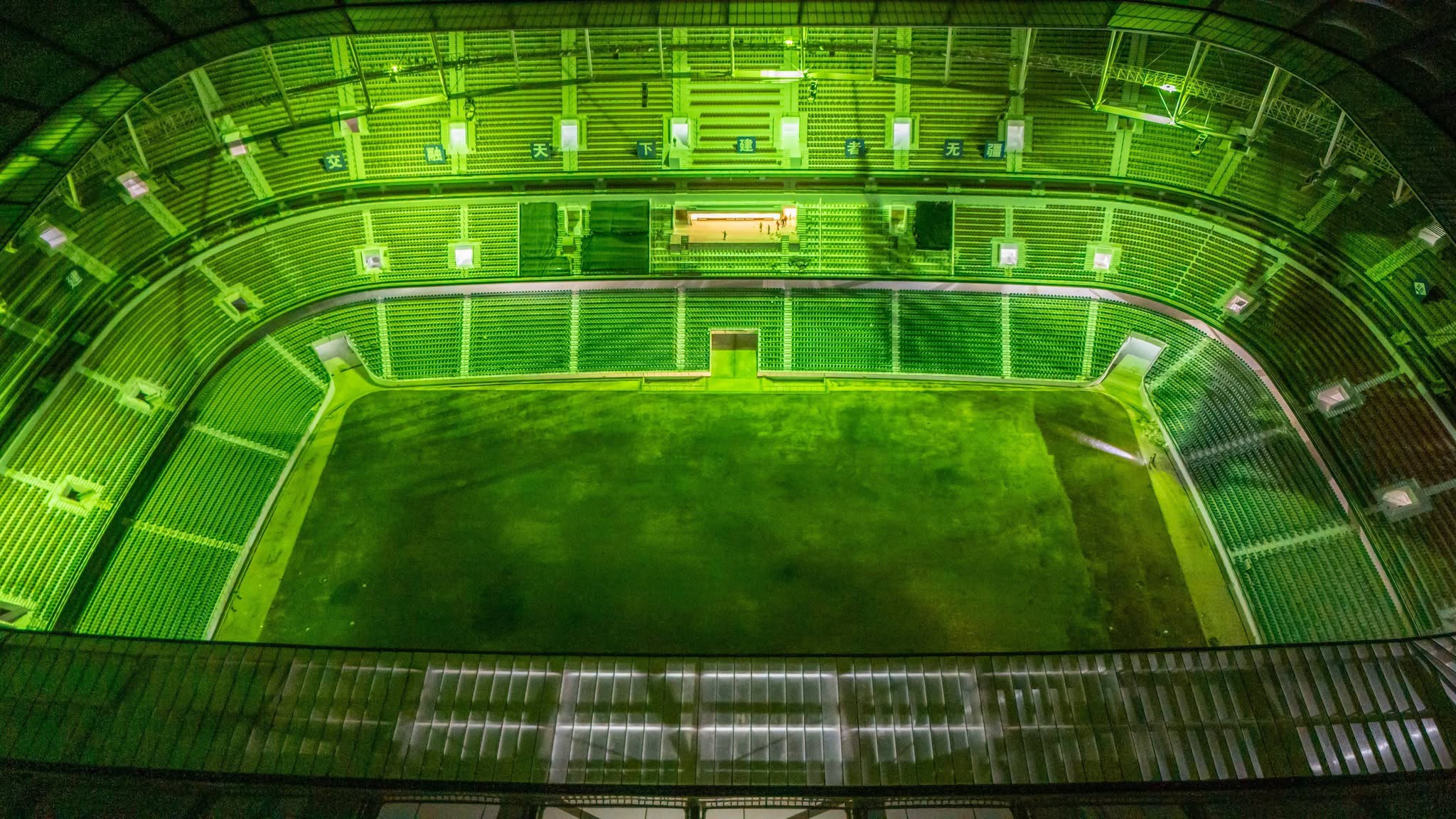
Stepping inside the bowl of the 60,000-seater stadium during the early hours revealed a striking visual spectacle. The newly installed stadium lighting system underwent its first major operational assessment, illuminating the massive three-tier auditorium in brilliant clarity. These first photos of the active light arrays show a layout precision designed to eliminate shadows completely across the playing surface. This ensures perfect visibility for fans in the stands and ultra-high-definition clarity for international broadcast cameras.
Following his walk-through of the illuminated facility, Deputy President Kindiki shared his impressions of the project’s scale and engineering speed:
“The magnificent 60,000 seater Talanta Sports City along Ngong Road, Nairobi, is near ready. Awesome in size and beautiful to behold, this is the first international stadium to be built in this Country since the completion of Kasarani Stadium in 1987, thirty nine years ago.
The efficiency in timely completion has been boosted by the supervision of the contractor by the Kenya Defence Forces personnel and the adoption of a daily 24 hour work schedule. Inspected works, greeted the workers and praised them for their role in building the nation, literally, with their hands and labour.
31 other Stadia are being built across Kenya, and this is the most extensive sports development programme ever initiated in our Country. Talanta ni Faya sana, Pongezi Rais!”
A Historic Leap for Kenyan Sports Infrastructure
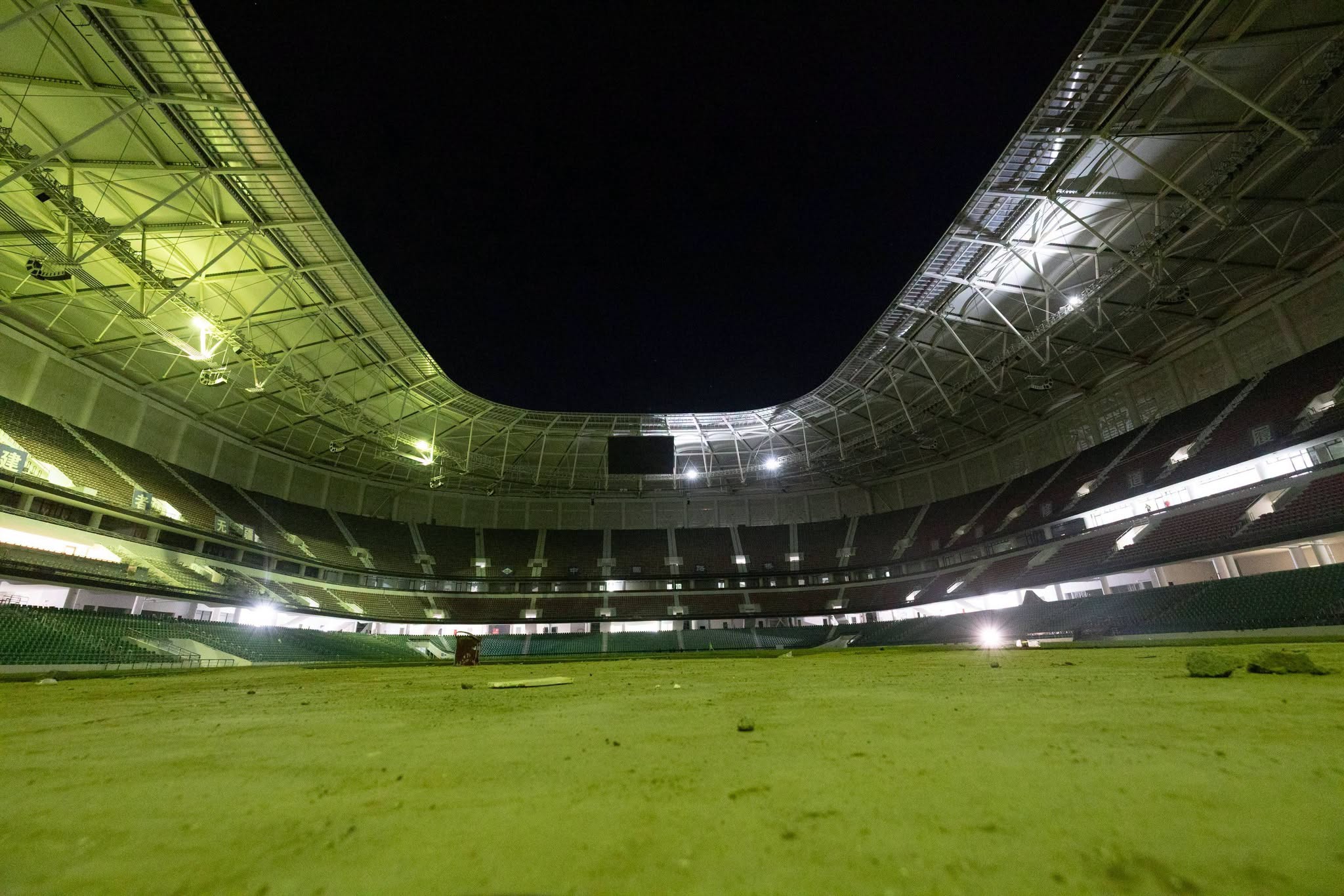
This massive project represents the largest and most ambitious investment in sports infrastructure built by the Kenyan government in nearly forty years. The last time the nation constructed a sporting arena of comparable international stature was in 1987, when the iconic Moi International Sports Centre, Kasarani, opened its gates. Decades of infrastructural stagnation are officially ending with the rise of the Raila Odinga International Stadium—the official moniker chosen for the venue.
The facility features a 60,000-seat fully covered capacity, backed by a massive financial investment of 45.3 billion Kenyan shillings. Construction is handled by the China Road and Bridge Corporation, while the daily site operations and standards are closely monitored by the Kenya Defence Forces Engineering Department to keep the handover targeted for mid-to-late 2026.
Construction began with high expectations in March 2024. The delivery timeline has been tightly managed through a dedicated round-the-clock shift schedule. The project relies on an effective hybrid financing model, pooling resources through an intentional partnership between the national government and strategic private entities. Executing the engineering works is the China Road and Bridge Corporation (CRBC), a firm with a deep portfolio of mega-infrastructure rollouts in East Africa. Maintaining rigorous standards and meeting deadlines falls on the shoulders of the Kenya Defence Forces (KDF) Engineering Department, which handles daily site supervision with military precision.
Tech-Driven and Eco-Friendly Architecture
Unlike traditional Kenyan stadiums built with multi-purpose athletic loops, Talanta Stadium is uniquely tailor-made for football and rugby matches. The design intentionally omits a running track around the main pitch. This structural layout brings the crowd closer to the action, creating an intimate, high-energy atmosphere mimicking the best European sports complexes. Recognizing the importance of track and field to Kenya’s sporting heritage, planners are building independent athletics training fields right beside the main facility.
READ: Eliud Kipchoge Urges World Athletics to Bring 2029 World Championships to Nairobi
The interior of the bowl is highly technical, integrating the latest sports broadcast and officiating tools directly into the framework. The arena comes fully equipped with comprehensive Video Assistant Referee (VAR) infrastructure, integrating fixed high-speed camera arrays and specialized control rooms directly into the core structure. It also boasts advanced goal-line technology to track the ball in real time alongside high-speed fiber-optic backbones and dedicated satellite uplink bays built to manage simultaneous global streaming feeds.
Sustainability forms a core component of the development blueprint. The stadium relies heavily on green energy sources, incorporating smart solar panels on its fully covered roof to reduce its reliance on the main electrical grid. Landscaping teams are also establishing lush perimeter gardens and planting hundreds of indigenous trees to blend the concrete structure seamlessly into Nairobi’s changing environment.
Economic Catalyst and Community Revival
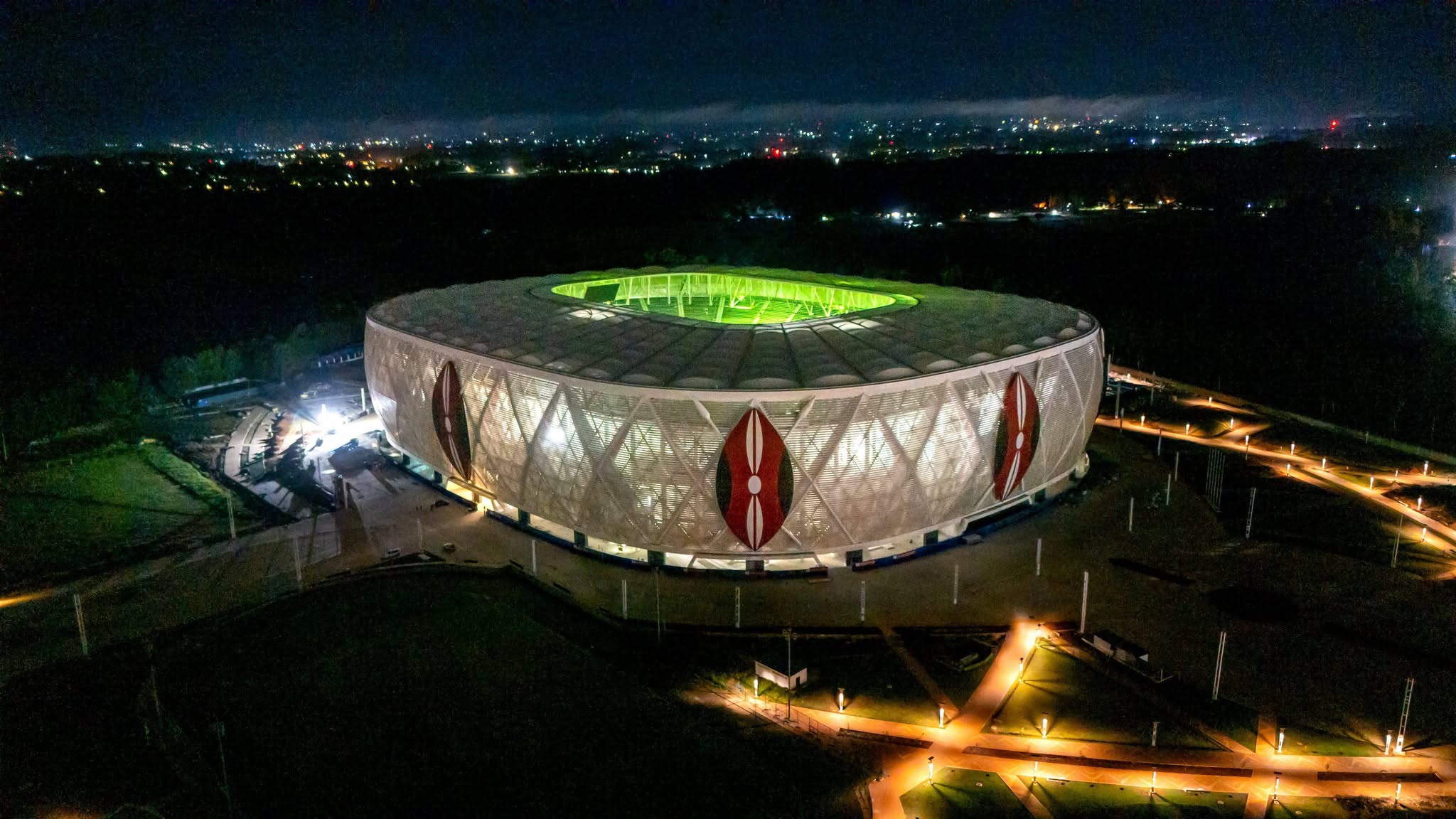
The choice of location places the stadium in a highly dynamic sector of the capital city. Situated just off the busy Ngong Road, the venue counts the Junction Mall, the historic RFUEA rugby grounds, and the legendary Ligi Ndogo soccer fields as immediate neighbors. The area is already widely celebrated for its weekend sports culture, famous local culinary spots, and bustling open-air furniture markets. Introducing a 60,000-seat stadium will inject incredible energy and commercial interest into this neighborhood.
Long-term economic impacts extend far beyond the final whistle of the AFCON 2027 tournament. Once fully completed and handed over, the stadium will serve as a consistent job engine for the local community. Permanent and contractual employment opportunities will open up for hundreds of cleaners, hospitality vendors, technical maintenance staff, media production personnel, and security guards.
The government plans to commercialize the space creatively, offering corporate naming rights to local and international brands. This steady stream of revenue, alongside hosting regular local league matchdays and continental tournaments, guarantees that the multi-billion shilling facility remains self-sustaining, turning Jamhuri into the premier sports entertainment district of Nairobi.